
7D HIFU Before and After: Everything You Should Know
Curious about the buzz surrounding 7D HIFU treatments? Don’t worry, many people are wondering the same thing. This cutting-edge, non-invasive procedure is making waves for its skin-tightening and rejuvenating effects. In this article, you will get a closer look into 7D HIFU before and after transformations, explore its effectiveness, benefits, potential side effects, and what you can expect throughout the process.
Understanding the Effectiveness of 7D HIFU
Does 7D HIFU really work?
Absolutely, 7D HIFU is a game-changer in non-surgical skincare. It works by using focused ultrasound energy that targets deep layers of your skin, which then heats the tissue just enough to kickstart your body’s natural collagen production. The increased collagen and elastin will then not only lift and tighten the skin but also smooth out wrinkles over time.

7D HIFU is known for its effectiveness in rejuvenating skin
Benefits of 7D HIFU Treatment
7D HIFU may support gradual tightening and contour improvement across selected facial and body areas. When comparing ultrasound-based treatment options, understanding how 7D HIFU differs from Ultherapy can help clarify differences in real-time imaging, treatment areas, depth options and cost. Suitability still depends on the concern, skin condition and individual assessment.
7D HIFU Before and After Photos
Before and after photos from trusted clinics speak volumes about 7D HIFU’s capabilities. These images showcase dramatic improvements in skin tightness, wrinkle reduction. On top of that, many clients experience visibly lifted and rejuvenated skin, making it easier to visualize potential outcomes.

HIFU can address aging skin issues

HIFU also has immense sculpting capabilities
Timeline of Results: How Long After HIFU Do You See Results?
Right after your 7D HIFU treatment, or Ultraformer MPT, you may notice subtle improvements in skin firmness and tone, but this is far from it. Within 6 to 12 weeks, as your body ramps up collagen production, the results become more noticeable, revealing smoother skin and reduced wrinkles. Even more impressive, the benefits continue to develop up to 6 months post-treatment, with most improvements lasting for around 24 months, which is quite amazing for a non-invasive treatment.
Potential Side Effects and Complications of 7D HIFU
Aside from the good results, it is also important to be aware of potential side effects and complications of the procedure.
Common Side Effects
Redness and swelling are the most common ones, but they are only temporary and will appear right after your session. These effects usually fade within a few hours to a couple of days. Another type of sensation can also be common. Tingling or numbness in the treated area typically resolves within a few days to weeks. Additionally, it’s normal to feel some mild discomfort during or after the procedure, but it generally subsides quickly.
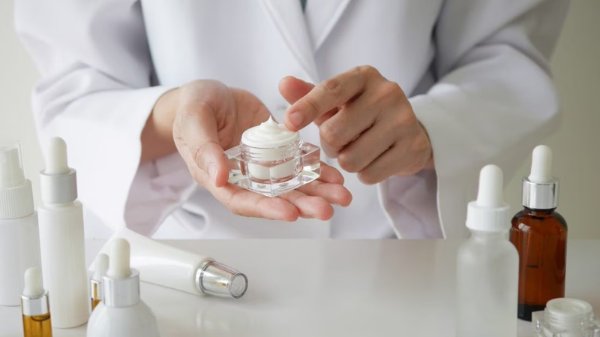
Stick to the aftercare tips to ensure a smooth healing process for your skin
Rare Complications
While those mild side effects are to be expected, the following are more severe complications that are more likely to happen without proper care. For those with sensitive skin, bruising or blotchy skin may occur, although working with experienced practitioners may prevent this happening. Hyperpigmentation or hypopigmentation can happen in rare cases. You might notice temporary changes in skin pigmentation—either darkening (hyperpigmentation) or lightening (hypopigmentation).
Aside from that, rarer complications may include nerve damage, but it is extremely rare.
Safety Measures and Recommendations
To prevent the aforementioned side effects, always consult with a qualified and experienced practitioner to help minimize risks. This includes sticking to their advice, following all pre- and post-treatment care instructions closely to ensure the best results and reduce the likelihood of side effects.
Additionally, complications may happen because of your personal skin conditions, so make sure to discuss any pre-existing conditions or concerns with your practitioner before undergoing treatment to keep your experience as safe and effective as possible.