
HIFU vs Facelift: Find The Best Treatment
HIFU offers a non-surgical approach that uses focused ultrasound energy to support gradual collagen remodelling and firmer-looking skin. Readers who are not considering surgery but want to compare ultrasound-based options can review Ultherapy Prime vs HIFU before discussing which approach may suit their concerns.
What is HIFU treatment for face lifting?
HIFU technology and its mechanism
HIFU treatment goes deep, really deep. It sends focused ultrasound energy beneath the skin’s surface, heating up tissues in the dermis and the superficial muscular layers. This heat kick starts your body’s natural healing process, leading to enhanced collagen production. And since collagen is the protein that keeps our skin firm and bouncy, this means tighter, lifted skin over time.
Benefits of HIFU
Why are people raving about HIFU? Because its benefits are among the best, including a non-invasive procedure that involves no scalpels, no stitches, no scars. And if you have lunch plans? No worries. HIFU treatments are sometimes called “lunchtime facelifts” because you can return to your daily routine immediately after.
Since HIFU face lift boosts your body’s own collagen production, the results develop gradually, giving you a refreshed look without the “I’ve had work done” vibe. In fact, HIFU is not merely a face lifting treatment, because it can tackle wrinkles, sagging skin, and even improve jawline definition.

HIFU is a non-invasive treatment suitable for many needs
Expected results and duration
Patience is key with HIFU. While some folks notice a subtle lift shortly after treatment, the real magic unfolds over the next few months as collagen production ramps up. As for how long you will enjoy your rejuvenated look, results typically last between 6 months to 2 years. Factors like your age, skin condition, and lifestyle play a role. To keep the glow going, maintenance treatments are recommended every 6 to 12 months.
Exploring the Traditional Surgical Facelift
The surgical facelift procedure
Think of a surgical facelift as a major tune-up for your face. Unlike non-invasive treatments, this procedure involves small, carefully placed incisions,so the scars are nearly invisible once you heal. During the procedure, your doctor, or surgeon in this case, lifts and repositions the deeper facial tissues to tighten sagging skin and reduce wrinkles.
The process may also involve the removal of excess skin and even combining a neck lift for extra support. While it sounds a bit intense, it is all done under anesthesia, so you won’t feel a thing throughout the procedure. This technique, known as rhytidectomy, is designed to give you a refreshed, youthful look by essentially “rebooting” your facial structure.
Advantages of a surgical facelift
One of the biggest perks of a surgical facelift is that its results tend to be both dramatic and long-lasting. It doesn’t just smooth out wrinkles but also lifts and tightens the deeper layers of your face. This means that sagging jowls, droopy cheeks, and a loose neck can all be addressed in one go.
Many patients enjoy their refreshed look for 10 years or more, so it can be a worthwhile investment. On top of that, your surgeon can tailor the procedure to address your unique facial contours and aging concerns, sometimes combining it with other procedures for a more balanced result.
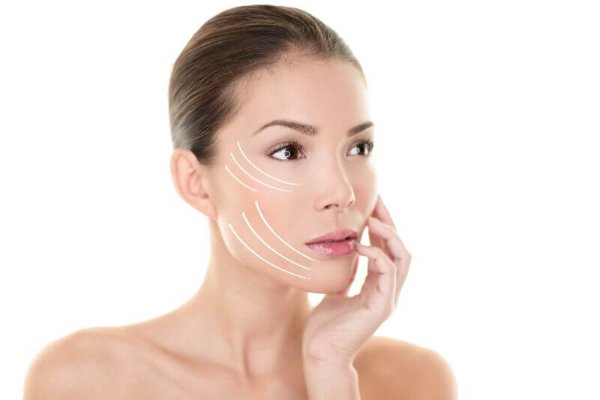
Surgical facelifts are very effective though more susceptible to risks
Results and considerations
A more elaborate procedure comes with some more significant side effects. After the surgery, it’s normal to experience some swelling, bruising, and a bit of discomfort.
Most people can return to their normal activities within two to three weeks, though it might take a couple of months for all the final results to fully settle in. Aside from that, as with any surgery, there are risks such as infection or minor nerve issues, so it’s essential to work with a board-certified surgeon who can help set realistic expectations and guide you through the entire process.
HIFU vs Facelift: Comparing Outcomes and Suitability
HIFU | Surgical Facelift | |
Effectiveness | Stimulates collagen production to gradually tighten skin. HIFU may be considered for mild to moderate skin laxity when a non-surgical approach aligns with the person’s concerns. Those who are not considering surgery but want to compare two energy-based options can review the HIFU vs Forma comparison, which explains how focused ultrasound and radiofrequency differ in treatment depth and intended skin concerns. | Provides dramatic lifting by repositioning deeper tissues. Effective for significant laxity and deep wrinkles. |
Duration | Typically a 60–90-minute outpatient session. | Generally requires 3–6 hours of surgery. |
Recovery Times | Minimal downtime with little to no disruption of daily activities. Some temporary redness or mild swelling may occur. | Longer recovery period (often 2–3 weeks for bruising and swelling to subside). Requires time off work for proper healing. |
Potential Risks | Low risk profile. Possible temporary discomfort, redness, or swelling. Non-invasive with minimal complications. | Surgical risks such as infection, hematoma, nerve injury, scarring, and anesthesia-related complications. |
Suitability | Ideal for younger to middle-aged individuals with early signs of aging or mild skin laxity. Good option for those who prefer a non-invasive approach. | Better suited for patients with more advanced aging, significant sagging, or deeper wrinkles. Viable choice for those looking for significant improvements. |
How Much Does a HIFU Face Lift Cost?
Factors influencing the cost of HIFU treatments.
Treatment Area & Intensity: The larger the area or the deeper the energy needed, the higher the cost. Same goes with the number of sessions, as some people may only need one treatment while others could benefit from multiple sessions for optimal results.
Where you choose to undergo the procedure is also important. Clinics investing in the latest HIFU machines like the Ultraformer MPT and staffed by experienced practitioners might charge a premium.
Average price range for HIFU face lifting treatment
A single HIFU session typically ranges from about AUD 300 to AUD 2,500, depending on whether you want to target a specific area on your face or the entire face and neck area.
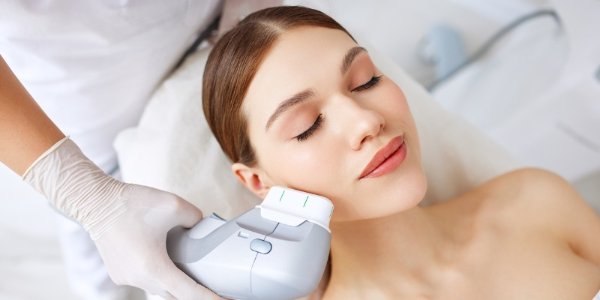
HIFU is a more affordable option compared to surgical facelifts
Cost comparison between HIFU and surgical facelifts
HIFU Face Lift: With its noninvasive approach and minimal downtime, HIFU is generally much more affordable. You might spend anywhere from AUD 1,200 up to around AUD 3,000 in total.
Surgical Facelift: In contrast, a traditional surgical facelift is a more extensive procedure, often costing between AUD 20,000 and AUD 40,000 (or even more), depending on certain cases.