
A Closer Look at How AccuTite vs FaceTite Work
Considering AccuTite vs FaceTite? You’re not alone. Many people are seeking subtle but noticeable lifts without going under the knife. In this article, we’ll have a closer look at these two leading non‑surgical skin‑tightening treatments to help you understand how they work and which one might be best for your unique concerns.
AccuTite vs FaceTite: How the Technologies Work?
Radiofrequency and Microneedling: The Core Principle
At the heart of both AccuTite and FaceTite is a clever blend of radiofrequency energy and microneedling, a technique known as radiofrequency‑assisted lipolysis (RFAL). A tiny incision allows a handpiece to glide beneath the skin, where internal and external sensors deliver gentle heat that melts small pockets of fat and tugs your collagen fibers tighter.
This “shrink‑wrap” effect not only contours but also kickstarts your body’s own collagen‑and‑elastin production, giving your skin a firmer, smoother finish over time. The process is precise enough to be minimally invasive yet powerful enough to address both fat reduction and skin laxity in one go.
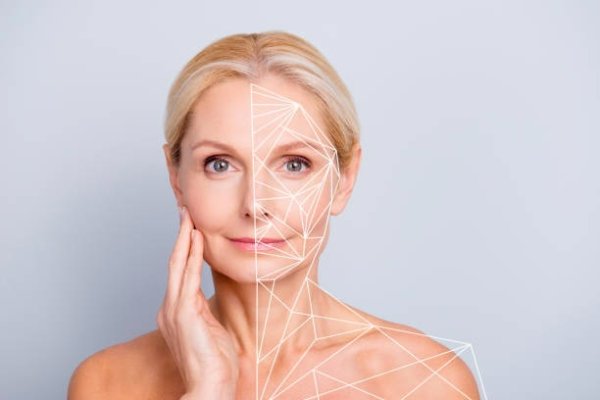
AccuTite vs FaceTite is a choice that many patients consider
Differences in Handpiece Size and Precision
Although they share the same RFAL engine, AccuTite and FaceTite come with differently sized handpieces designed for varying zones.
- FaceTite uses a larger applicator, making it ideal for broad areas like the jawline, cheeks, and neck.
- AccuTite, by contrast, features a needle‑thin tip for pinpoint accuracy around delicate or tighter spots, think under‑eye creases, nasolabial folds, or small fat pockets on the lower face.
In practice, your practitioner may even combine both devices in a single session to sculpt multiple zones without skipping a beat.
Energy Delivery & Tissue Targets
The magic lies in how the RF energy is metered and monitored. Real‑time temperature sensors ensure tissue heating stays within a safe window—hot enough to liquefy unwanted fat and contract collagen, but cool enough to protect surrounding skin layers.
Deeper layers absorb heat to remodel fat and tighten the dermal network, while the upper layers reap the benefits of tightened, refreshed skin. This dual‑action targeting guarantees you get both contouring and lifting, tackling two ageing hallmarks in one seamless treatment.
Key Treatment Areas & Applications
FaceTite: Large‑Area Lifting
FaceTite is your go‑to for broad, foundational tightening for defined jawline, smoothing jowls, and lifting the neck and lower cheeks. Its larger handpiece delivers RF energy beneath the skin to both liquefy small fat pockets and contract collagen fibers over a wider surface.
- FaceTite is your go-to for broad, foundational tightening for defined jawline, smoothing jowls, and lifting the neck and lower cheeks. Its larger handpiece delivers RF energy beneath the skin to both liquefy small fat pockets and contract collagen fibers over a wider surface. Jawline & Jowls: Enhances definition by firming sagging skin along the mandibular border.
- Neck: Reduces mild “turkey neck” by tightening loose skin under the chin.
- Lower Face & Cheeks: Smooths mild sagging, giving the full face a more lifted contour.
AccuTite: Small‑Pocket Precision
When you need “micro-sculpting,” AccuTite steps in with a needle-thin applicator that targets delicate or hard-to-reach zones.
- Under‑Eye Area: Firms mild eye bags and tightens thin eyelid skin.
- Nasolabial Folds & Smile Lines: Softens deep creases by heating and re‑texturising both skin and underlying tissues.
- Brow Line & Upper Face: Lifts mild droopiness without affecting adjacent zones.
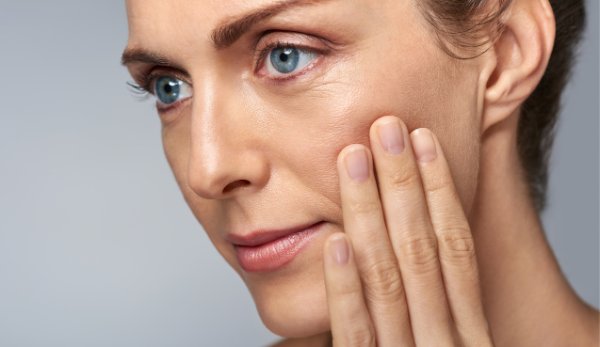
What areas can AccuTite and FaceTite treat?
Combining Both for Multi‑Zone Treatment
There is also an approach that uses both devices in a single session. Your clinician might begin with FaceTite to address large-area laxity, then switch to AccuTite for refinement around the eyes and smile lines. This stacked method ensures comprehensive results: overarching lift plus detailed contouring, without the downtime or scarring of a full surgical facelift. It’s a tailored roadmap that meets you exactly where your skin needs it most.
AccuTite vs FaceTite in Patient Experience & Comfort
Anaesthesia Protocols & Sensation
Both AccuTite and FaceTite are performed under local anaesthesia, often with a light oral sedative or topical numbing cream. Your practitioner will inject tumescent anaesthetic into the treatment area, which not only numbs the skin but also creates a buffer to protect surrounding tissues.
During the procedure, you may feel a gentle warmth or tingling as the RF energy does its work, but pain is minimal, and most patients describe the experience as surprisingly comfortable.
Typical Session Duration
Expect to spend 60 to 90 minutes in the treatment room. FaceTite sessions generally run about one hour for a single area (like the jawline or neck), while combining FaceTite with AccuTite or treating multiple zones may extend the appointment to around 90 minutes. This one‑and‑done approach means you address both fat reduction and skin tightening in a single visit.
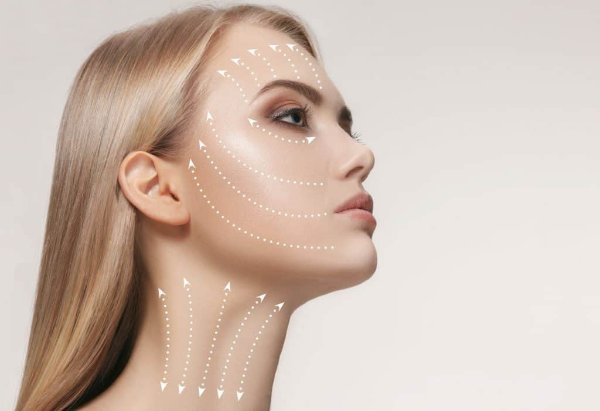
The average patient experience of both AccuTite and FaceTite is pretty comfortable
Downtime and Aftercare Essentials
- Downtime: Most people experience mild swelling, redness, or bruising that peaks around day three and subsides by day five to seven.
- Compression Garments: You’ll likely wear a light compression wrap for the first 24–72 hours to support skin contraction and reduce swelling.
- Ice & Rest: Applying cold packs for the first 48 hours helps soothe any discomfort. Avoid strenuous workouts for at least one week.
- Skin Care: Keep incision sites clean, follow your provider’s cleansing routine, and avoid direct sun exposure until fully healed.
With these simple steps, most patients return to work within a few days feeling refreshed and on the path to a tighter, more contoured look.
Results, Timeline & Longevity of AccuTite and FaceTite
Immediate vs Progressive Improvements
You may notice some skin tightening immediately after treatment, thanks to RF‑induced collagen contraction. However, the most dramatic changes unfold over the next 8 to 12 weeks as your body produces new collagen and elastin, gradually firming and smoothing treated areas.
When You Will See Peak Results
While individual results vary, most patients see peak improvement around 3 to 6 months post‑procedure. By this point, your natural healing response has fully remodelled the tissue, delivering that coveted “shrink‑wrap” effect around your jawline, neck, or delicate facial zones.
Maintenance Recommendations
These two treatments may require multiple sessions, so to prolong your results, consider:
- Healthy Lifestyle: A balanced diet, regular exercise, and staying hydrated support collagen health.
- Sun Protection: Daily SPF prevents photo‑damage that can weaken skin elasticity.
- Annual Refreshers: Many practitioners offer light RF or laser touch‑up sessions once a year to sustain skin firmness.
- Complementary Treatments: Microneedling or medical‑grade skincare can boost collagen further and enhance surface texture.
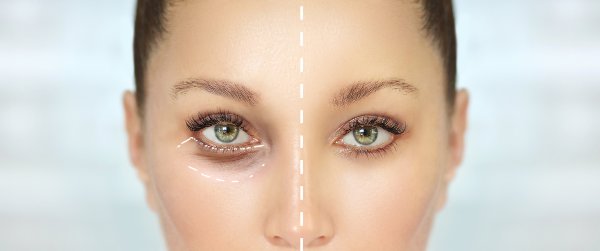
How to go through the AccuTite and FaceTite recovery processes
Safety Profile & Possible Side‑Effects
Common, Transient Effects
After an AccuTite or FaceTite session, it’s normal to experience mild swelling, redness, and bruising around the treated areas. These effects stem from the tiny incisions and the tumescent anaesthetic fluid used during treatment. Most swelling peaks around day 2 to 3 and subsides by day 5 to 7, while any bruising typically resolves within one to two weeks. Tenderness or a pulling sensation as collagen contracts can also occur, but it generally fades alongside the other transient side-effects.
Most swelling peaks around day 2 to 3 and subsides by day 5 to 7, while any bruising typically resolves within one to two weeks. Tenderness or a pulling sensation as collagen contracts can also occur, but it generally fades alongside the other transient side‑effects.
Rare Risks and How They’re Mitigated
Although major complications are exceedingly uncommon, they can include:
- Skin Burns or Discoloration: Modern RFAL devices feature dual temperature‑sensing technology that continuously monitors both internal and external temperatures, shutting off energy delivery if tissue heats too quickly.
- Infection or Bleeding: With only tiny entry points and strict aseptic protocols, infection rates are very low. Your provider will give you detailed post‑care instructions—like gentle cleansing and topical antibiotics—to further reduce risk.
- Nerve Irritation or Numbness: Rare nerve bruising may cause temporary numbness, which typically resolves over weeks to months. Precision handpieces and conservative energy settings help protect sensitive structures.
Choosing an Accredited Provider
Your safety hinges on selecting a qualified, experienced practitioner. Look for someone who is:
- Board‑certified in plastic surgery or dermatology with specific training in RF‑assisted lipolysis (RFAL).
- InMode‑trained, since both AccuTite and FaceTite are FDA‑cleared devices manufactured by InMode.
- Transparent about protocols: they should explain safety checks, anaesthesia options, and your personalised aftercare plan.
AccuTite vs FaceTite both offer innovative, minimally invasive paths to a firmer, more youthful contour, choosing between them comes down to your unique goals and treatment areas. Whether you’re drawn to FaceTite’s broad lifting power or AccuTite’s pinpoint precision, both spark new collagen growth and deliver gradual, natural‑looking results with minimal downtime.