
FaceTite vs Facelift: Which Is Best for Your Facial Rejuvenation?
Aging signs like a sagging jawline or loose neck skin can feel frustrating, especially when you don’t want the commitment or downtime of surgery. That’s where FaceTite vs facelift becomes a real consideration. In this post, we’ll explore how the minimally invasive FaceTite treatment compares with a traditional facelift, breaking down recovery, results, cost, and suitability.
What Is FaceTite?
How it works
FaceTite is a minimally invasive procedure that uses radiofrequency-assisted lipolysis (RFAL) to tighten skin and reduce small pockets of fat—even under local anaesthetic. A tiny wand is inserted through small incisions, sending controlled RF energy beneath the skin to liquefy fat and firm up tissues. This process stimulates collagen production, gradually remodeling the jawline and neck area. Clinical studies report improvements of around 30–40% in contour and tightness compared to surgical facelifts.
Benefits of FaceTite
Despite being less dramatic than a surgical facelift, FaceTite offers noticeable improvement in mild to moderate facial laxity, particularly around the jowls or under the chin. Many clinics report visible contouring and tightening within 3 to 6 months, with results lasting up to years depending on your skin quality and lifestyle.
FaceTite is typically carried out in an in‑office setting and takes under 90 minutes. Because the procedure uses tiny incisions (about 2–3 mm), scarring is minimal and downtime is short, so most people can return to daily activities within a few days, often as little as one to two days.
Limitations of FaceTite
However, it’s important to note that FaceTite delivers a more subtle lift compared to a full facelift. It doesn’t remove excess skin, so it’s best suited for those with early or mild sagging who want a natural-looking enhancement with minimal interruption to daily life.
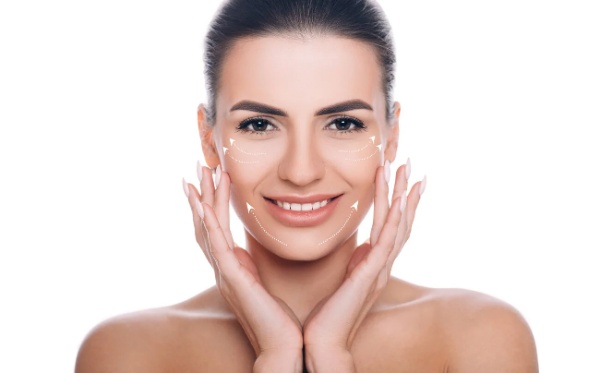
Learn about both treatments to make your decision
What Is a Facelift?
How it works
A facelift, medically known as a rhytidectomy, is a surgical procedure designed to lift and reposition deeper facial tissues, trim away excess skin, and restore youthful firmness to the jawline and neck.
Typically performed under general anesthesia in a hospital or accredited surgical centre, it often involves adjusting the underlying muscular layer (SMAS) and may include fat grafting or neck tightening, offering comprehensive facial rejuvenation.
Benefits of a facelift
The benefits of a facelift are significant with dramatic, long-lasting results by addressing the skin condition directly. It’s a powerful solution for moderate to advanced sagging, addressing both surface skin and deeper tissues to restore structure and contour
Limitations of a facelift
On the flip side, the procedure requires considerable recovery time, typically two to six weeks away from work, with swelling and bruising gradually fading over months. Final healing, including scar maturation, may take up to a year. Due to its surgical nature, the facelift also carries higher risks of complications such as infection, nerve damage, bleeding, or hematoma. While scars are generally hidden around the hairline or ears, they can be permanent and may be visible initially
FaceTite vs Facelift: The Full Comparison
While you may have a firm idea on which treatment is better for you, check out this table for a closer look at FaceTite vs Facelift
FaceTite | Facelift | |
Invasiveness | Minimally invasive | Surgical |
Anesthesia | Local | General |
Downtime | 3 to 7 days | 2 to 6 weeks |
Scarring | Few and can be hidden | Noticeable |
Results | Gradual | Near-immediate |
Ideal for | Early signs of aging | Moderate to advanced sagging skin |
Longevity | 3 to 5 years | 7 to 10 years or more |
FaceTite vs Facelift: Choose Your Option
Consider your age and skin condition
If you’re in your 30s to early 50s and are noticing mild jowling or slight loss of firmness around the jawline or chin, FaceTite may be the better fit. It’s aimed at people with early to moderate skin laxity who want a noticeable lift without surgical recovery. In contrast, those aged 50 and up, or anyone with more pronounced sagging, tend to see the most satisfying, longer-lasting outcomes from a surgical facelift. Surgeons consistently highlight that FaceTite cannot equal surgical tightening when deeper tissue repositioning is needed.
In contrast, those aged 50 and up, or anyone with more pronounced sagging, tend to see the most satisfying, longer-lasting outcomes from a surgical facelift. Surgeons consistently highlight that FaceTite cannot equal surgical tightening when deeper tissue repositioning is needed.

Choosing FaceTite vs Facelift can be a straightforward decision
Downtime and lifestyle
FaceTite is well suited to people juggling busy work or family schedules. With only local anesthesia and minimal incisions, most patients resume normal daily life within a few days, steadily improving over 3 to 4 weeks.
On the other hand, a traditional facelift requires greater time off, typically two to six weeks, with swelling and bruising gradually resolving over months. Recovery from surgery means closely following post-op care, managing discomfort, and avoiding strenuous activity for longer.
Budget and long‑term goals
Choosing FaceTite generally means a lower upfront cost, depending on treatment area and practitioner. A surgical facelift, however, represents a larger financial commitment. In terms of longevity, FaceTite results generally last around 3 to 5 years, a facelift can maintain its effect for 7 to 10 years or more, making it a longer-term investment
FAQs About FaceTite vs Facelift
Is FaceTite painful?
FaceTite is generally very well tolerated since it’s performed under local anesthetic, often with mild sedation, and many patients describe it as only mildly uncomfortable. You might feel some heat or tightness during the treatment, but it’s far less intense than surgical procedures.
How soon can I go back to work after FaceTite?
Thanks to its minimally invasive approach, most people resume normal activities within just a few days—often 2 to 4 days after treatment. Some swelling or bruising may remain for a week, but it’s usually manageable and easily concealed.
Can FaceTite be repeated?
Yes, it can. While a single session often delivers solid results, many clinics note that FaceTite can be safely repeated when needed. Waiting about nine months between treatments is typical to allow full collagen remodeling.
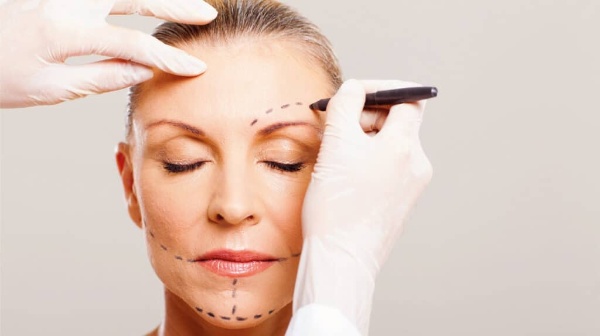
Common questions about FaceTite and facelift
Will a facelift make me look “overdone”?
Not if it’s done by a skilled, conservative surgeon using modern techniques. Today’s facelifts focus on subtlety and natural-looking rejuvenation that enhances your features rather than dramatically altering them. Compared to FaceTite however, the results will look more dramatic than a facelift.
Which procedure has fewer risks?
Being non-surgical, FaceTite carries fewer and less severe risks compared to facelift surgery. Traditional facelifts, though safe when performed by qualified surgeons, do come with higher risks like bleeding, infection, nerve injury, and hematoma.