
HIFU vs Forma: A Complete Comparison Guide to Skin Tightening
If you’ve been researching ways to tighten your skin without going under the knife, you’ve probably come across HIFU and Forma. Both are popular non-surgical treatments that promise to lift, firm, and rejuvenate your skin, but they work in completely different ways. So how do you know which one is right for you? Let’s break down the tech, the results, and what you can really expect from each.
What Are HIFU and Forma, and How Do They Work?
Understanding the science behind each treatment
HIFU stands for High-Intensity Focused Ultrasound and uses focused ultrasound energy at planned tissue depths. Because ultrasound platforms are not all identical, readers can review the comparison between Ultherapy Prime and HIFU before contrasting ultrasound-based treatment with Forma radiofrequency.
Forma, on the other hand, uses radiofrequency (RF) energy. Instead of ultrasound waves, it delivers controlled heat to the dermal layer of your skin. This heat stimulates collagen and elastin, which are the proteins responsible for keeping your skin firm and bouncy. The result is smoother, tighter skin with a healthy glow. It’s gentle, warm, and feels a bit like a relaxing facial.
Key difference: ultrasound vs radiofrequency
The main difference between HIFU and Forma is treatment depth. HIFU delivers focused ultrasound energy into deeper tissue layers, while Forma uses radiofrequency energy within more superficial dermal layers. Although HIFU may target the SMAS region, understanding how HIFU compares with a surgical facelift is important because surgery can remove excess skin and reposition deeper facial tissues, whereas HIFU supports more gradual tightening without incisions.
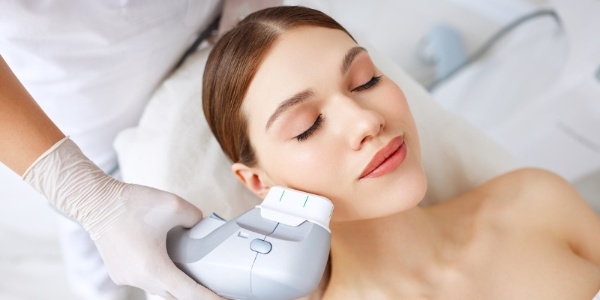
HIFU vs Forma is a very popular comparison for patients recently
HIFU vs Forma: Which Is Better for Lifting and Tightening?
Comparing treatment depth and results
When it comes to lifting power, HIFU takes the lead. Because it reaches deeper into the skin, it can actually lift areas that are starting to sag, like jowls, the jawline, and the brow. If you’re noticing that your face is losing definition or drooping, HIFU is the one that can give you that noticeable lift.
Forma is more about smoothing and firming. It won’t give you the dramatic lift that HIFU does, but it’s excellent for tightening mild laxity and softening fine lines. It also adds a glow that a lot of people love. So if your main concern is dullness, texture, or early signs of aging, Forma might be the better fit.
Duration and frequency of treatments
HIFU is typically a one-and-done situation. Most people need just one session, and then they’re good for six to twelve months. Some might go back for a touch-up after a year, but that’s about it.
Forma works differently. It’s usually done as a series of treatments, around six to eight sessions spaced a week apart. After that, you’ll want to come back every few months for maintenance. It’s more of a commitment upfront, but the results build over time.
Longevity of results
HIFU results take a little while to show up. You’ll start seeing changes around four to six weeks, with full results peaking at about three months. Those results can last up to a year or even longer, depending on your skin and lifestyle.
Forma gives you a bit of instant gratification. You’ll notice a glow right after your first session, and the tightening effects build gradually as you go through your series. With regular maintenance, you can keep those results going strong.
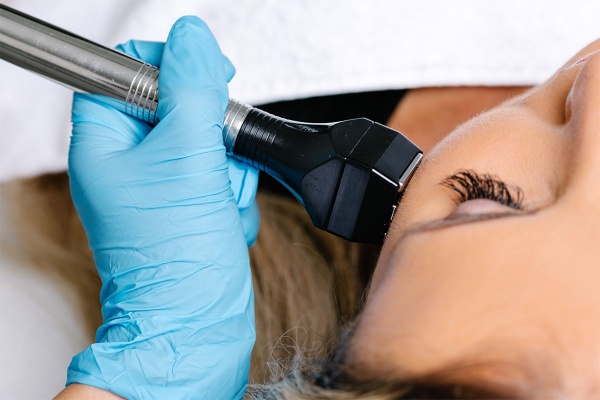
Which treatment option is better? HIFU or Forma
Which Is More Comfortable: Forma or HIFU?
Treatment experience and pain level
Forma is known for being super comfortable. Most people describe it as a warm, soothing sensation, kind of like a hot stone massage for your face. There’s no pain, and a lot of clients actually find it relaxing.
HIFU, on the other hand, can be a bit more intense. Because the ultrasound energy is going so deep, some people feel a tingling, prickling, or even a mild ache during the treatment. It’s not unbearable, but it’s definitely not as comfortable as Forma. Some areas, like the bony parts of your face, can be more sensitive.
Downtime and recovery
The good news? Both treatments are non-invasive, so you can get back to your day right away. There’s no cutting, no stitches, and no real recovery time.
With HIFU, you might have a little redness or tenderness for a few hours afterward. Some people experience slight swelling or tingling that goes away within a day or two. Forma usually has zero downtime. You might be a little pink right after, but that fades quickly. You can even put makeup on and head straight to work or dinner.
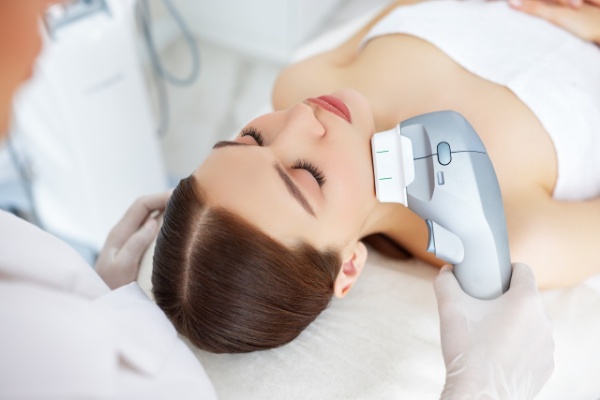
Comfort levels are generally good with both options
Are You a Better Candidate for HIFU or Forma?
Skin concerns and age range
HIFU is best for people dealing with moderate to severe skin laxity. If you’re in your late 30s to 60s and noticing real sagging, especially around the jawline, neck, or brow, HIFU is going to give you the most noticeable improvement. It’s designed for people who want a lift but aren’t ready for surgery.
Forma is ideal for early signs of aging or maintenance. If you’re in your mid-20s to mid-40s and want to stay ahead of wrinkles, keep your skin firm, or just maintain a youthful glow, Forma is a great choice. It’s also perfect if you’ve already had HIFU or other treatments and want to keep things looking fresh.
Skin type compatibility
Forma is safe for all skin tones. Because it uses radiofrequency, there’s no risk of pigmentation issues, which makes it a great option for anyone, regardless of your complexion.
HIFU is generally safe for most people too, but it might not be the best fit if you have very thin or sensitive skin. A consultation with a trained professional can help you figure out if your skin can handle the intensity of the ultrasound energy.
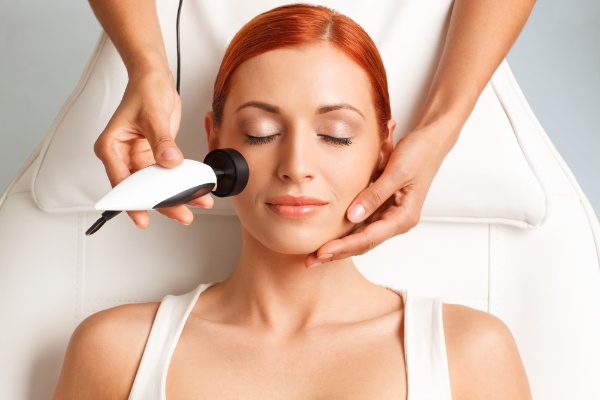
When should you choose HIFU or Forma?
FAQs About HIFU vs Forma
How long does each treatment take?
HIFU sessions usually take between 45 and 90 minutes, depending on the area you’re treating. Forma is quicker, typically around 30 to 45 minutes per session.
Can I combine HIFU and Forma in one plan?
Absolutely. Many clinics recommend alternating or combining the two for comprehensive rejuvenation. You might start with HIFU for a lift, then maintain with Forma for texture and glow.
When will I see results?
With HIFU, you’ll start noticing a lift in about four to six weeks, with full results around three months. Forma gives you an instant glow after each session, and the tightening builds gradually over your treatment series.
Are there any risks or side effects?
Both treatments are safe when done by trained professionals. You might experience mild redness, tenderness, or slight swelling, but these effects are temporary and usually go away within a day or two.
Which treatment is best for the face vs body?
HIFU is ideal for the face, neck, and décolletage, especially for lifting and tightening. Forma can be used on both the face and body, making it a versatile option for contouring and tightening areas like the arms, abdomen, or thighs.
HIFU vs Forma: Which One Should You Choose?
If you’re looking for a real lift, especially in the lower face, jawline, or neck, go with HIFU. It’s designed to tackle sagging and give you that tightened, lifted look without surgery.
If your main goal is smoother skin, a healthy glow, and prevention, Forma is your friend. It’s gentler, more comfortable, and perfect for maintaining collagen and keeping fine lines at bay.
At the end of the day, the best treatment depends on your unique skin, your concerns, and your goals. That’s why it’s so important to talk to a licensed aesthetician or dermatologist before making a decision. They can assess your skin in person and recommend a plan that’s tailored just for you.