
Ultherapy Prime vs HIFU: Technology, Safety and Results Explained
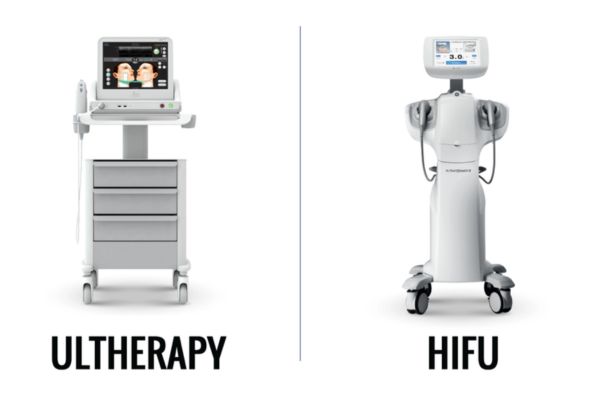
Ultherapy Prime vs HIFU are two popular non-surgical skin lifting treatments using ultrasound technology to stimulate collagen production. Both aim to tighten sagging skin, but differ in precision, comfort level, and long-term results. Let’s explore how each treatment works and which option best suits your skin goals!
Overview of Ultherapy Prime vs HIFU
Non-surgical skin lifting treatments use ultrasound energy to stimulate collagen and improve firmness. Key differences in technology, comfort, and results are explored in Ultherapy Prime vs HIFU.
Ultherapy Prime
Ultherapy Prime is a non-invasive skin lifting treatment that uses micro-focused ultrasound (MFU) technology to lift and tighten the skin from within. It targets deep structural layers without surgery or downtime. The process activates the skin’s own collagen-building response.
Ultherapy Prime vs HIFU is often discussed when comparing non-surgical lifting options for areas such as the brow, lower face, jawline, neck, and décolletage. A key advantage of Ultherapy Prime is its real-time ultrasound imaging, which allows doctors to see the exact layers being treated. This precision ensures energy is delivered accurately for consistent lifting and tightening results.
The latest Ultherapy Prime 2026 system offers faster treatment times and improved comfort while maintaining long-lasting results. In Singapore, Ultherapy is classified as a medical-grade procedure regulated by the Health Sciences Authority (HSA). It can only be performed by licensed doctors, ensuring high safety and clinical standards.
HIFU
High-Intensity Focused Ultrasound (HIFU) is a non-invasive skin lifting and tightening treatment widely used as an alternative to surgical facelifts. In discussions around Ultherapy Prime vs HIFU, this technology is known for using focused ultrasound energy to target deep structural layers of the skin. The process stimulates collagen production without damaging the skin’s surface.
During treatment, ultrasound energy penetrates the skin to create controlled heat zones at specific depths. These thermal points activate the body’s natural healing response. As a result, new collagen and elastin are gradually produced, improving firmness and elasticity.
HIFU is commonly used on the face, neck, jawline, and décolletage, and can also treat other areas with skin laxity, including popular devices discussed in Ultherapy Prime vs ultraformer mpt comparisons. While Ultraformer MPT HIFU does not offer real-time imaging like Ultherapy, it remains a cost-effective skin rejuvenation option. However, treatment precision may vary depending on the practitioner’s skill level.
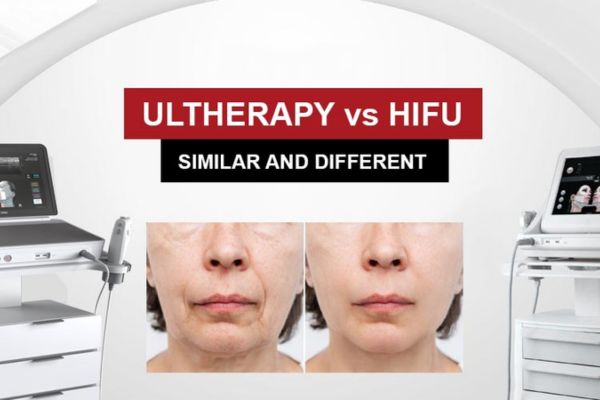
An introduction to ultrasound-based skin lifting technologies
Ultherapy Prime vs HIFU: Major differences explained
Ultherapy Prime and HIFU are both non-surgical lifting treatments that use ultrasound energy to stimulate collagen production. However, they differ in technology, precision, comfort, and long-term results.
Imaging
Imaging is the key factor that separates Ultherapy Prime from generic HIFU treatments, as it relies on an advanced skin ultrasound machine for visual confirmation. It directly affects treatment precision, safety, and the consistency of lifting results.
Feature | Ultherapy Prime | HIFU |
Real-time imaging | Yes | No |
Tissue visibility | Skin, tissue, muscle, and bone | Estimated depth only |
Energy placement | Precisely targeted and confirmed | Estimated depth only |
Treatment approach | Guided and controlled | Performed “blind” |
Without imaging, ultrasound energy may unintentionally affect fat tissue, nerves, or sensitive areas that should be avoided. This lack of visual confirmation can lead to uneven lifting results or a higher risk of unwanted side effects.
Accuracy of treatment depth
Both Ultherapy Prime vs HIFU are capable of reaching deep layers of the skin. However, accuracy of targeting matters more than depth alone, as precise energy delivery directly affects results and safety.
Aspect | Ultherapy Prime | HIFU |
Reachable depths | 1.5 mm, 3.0 mm, 4.5 mm | Similar depths claimed |
Depth confirmation | Real-time ultrasound imaging | No imaging |
Targeting accuracy | Proven and visually confirmed | Estimated only |
SMAS layer treatment | Precisely targeted at 4.5 mm | May vary by operator |
Result consistency | High and predictable | Can be inconsistent |
Ultherapy Prime and selected HIFU platforms are designed to deliver ultrasound energy at planned tissue depths, including the SMAS region. However, reaching a similar anatomical layer does not make an ultrasound treatment equivalent to surgery. A HIFU vs facelift comparison should also consider the degree of skin laxity, expected lifting, recovery requirements and whether excess skin or deeper tissue repositioning needs to be addressed.
Regulatory clearance and clinical support
Regulatory approval and clinical evidence play a critical role in treatment safety, consistency, and results. This is where Ultherapy Prime vs HIFU differ significantly.
Aspect | Ultherapy Prime | HIFU |
FDA clearance | Yes (brow, neck, under-chin lifting) | Varies or absent |
CE marking | Yes | Depends on brand |
Clinical studies | 100+ peer-reviewed studies | Limited long-term data |
Global usage | 1.75+ million treatments | Varies by device |
Training standards | Standardised medical training | Not standardised |
Result consistency | Clinically validated with predictable outcomes | Highly operator-dependent |
Clinical studies show that Ultherapy Prime safely stimulates collagen and improves skin laxity, supported by peer-reviewed research such as Laubach et al. (Dermatologic Surgery) and Fabi & Goldman (Facial Plastic Surgery Clinics).
In contrast, HIFU devices vary widely by brand and model, with inconsistent regulatory approval and limited long-term evidence. As a result, treatment outcomes depend heavily on the device used and the practitioner’s experience – explaining why HIFU results differ so much between clinics.
Safety standards and approved areas
Safety is a critical factor when choosing a non-surgical skin lifting treatment, not just visible results. In the comparison of Ultherapy Prime vs HIFU, differences in imaging and technology significantly affect both treatment safety and approved treatment areas.
Aspect | Ultherapy Prime | HIFU |
Real-time imaging | Yes | No |
Nerve & blood vessel avoidance | Precisely visualised | Not visible |
Facial fat protection | Yes (prevents hollowing) | Higher risk of fat loss |
Energy delivery | Even and controlled | Can be uneven |
Patient discomfort | Reduced | Often higher |
Burn risk | Very low | Higher |
Approved brow treatment | Yes (FDA-cleared) | Varies |
Jawline & lower face | Yes | Device-dependent |
Neck | Yes | Often not approved |
Under the chin | Yes | Varies |
Chest (décolletage) | Yes | Usually not approved |
This comparison highlights why Ultherapy Prime is considered a safer and more reliable option, particularly for sensitive areas like the neck and chest, where precision and regulatory approval are essential.
Potential treatment results
Ultherapy Prime vs HIFU results from non-surgical lifting treatments develop gradually and vary based on technology and precision. This is where the long clinical history of Ultherapy Prime makes outcomes more predictable.
Result aspect | Ultherapy Prime | HIFU |
Onset of results | Gradual lifting and tightening | Varies widely |
Appearance | Natural-looking results | Can be inconsistent |
Peak results | 3 – 6 months | Unpredictable |
Result longevity | 12 – 18 months | Device-dependent |
Outcome consistency | High and predictable | Varies by device |
Clinical track record | Long-term research-backed | Limited evidence |
Ultherapy Prime delivers gradual, natural improvements with results that peak between 3 and 6 months, setting a benchmark for high intensity focused ultrasound skin tightening treatments. In contrast, HIFU outcomes differ significantly depending on the device used and practitioner expertise.
Costs
Cost is an important factor when choosing a non-surgical skin lifting treatment, but it should be considered alongside safety, precision, and long-term results. Below is a general comparison of pricing factors between Ultherapy Prime vs HIFU:
Pricing | Ultherapy Prime | HIFU |
Average cost | Higher upfront cost | Lower upfront cost |
Pricing basis | Priced by treatment area and number of lines | Typically charged per session or treatment package |
Number of sessions | Usually 1 session | Commonly performed over several sessions |
Cost over time | More cost-effective long term | Often increases after multiple treatments |
Technology level | Medical-grade, FDA-cleared | Varies by device |
Result predictability | High and consistent | Varies by clinic |
While Ultherapy Prime typically costs more upfront, it often delivers longer-lasting and more predictable results. HIFU may appear more affordable initially, but repeated sessions and variable outcomes can affect overall value.
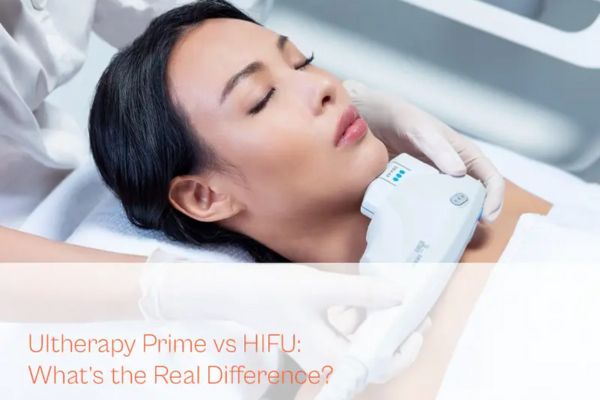
Important distinctions in technology, safety, and treatment outcomes
Ultherapy Prime or HIFU: Which should you choose?
From a medical standpoint, Ultherapy Prime is widely considered the gold standard for non-surgical skin lifting. Its real-time imaging and clinically proven depths allow for precise and controlled energy delivery. This leads to safer treatments and more consistent outcomes.
HIFU treatments may appear more affordable upfront and are widely available. However, lower cost often comes with trade-offs, including reduced precision and a higher risk of uneven results. Long-term effectiveness and safety can vary greatly depending on the device and operator.
Ultherapy Prime vs HIFU should be carefully evaluated if you prioritise safety, accuracy, and predictable results. Patients who value medical-grade technology and consistent outcomes often choose Ultherapy Prime. Making an informed choice helps ensure both effective lifting and long-term skin health.
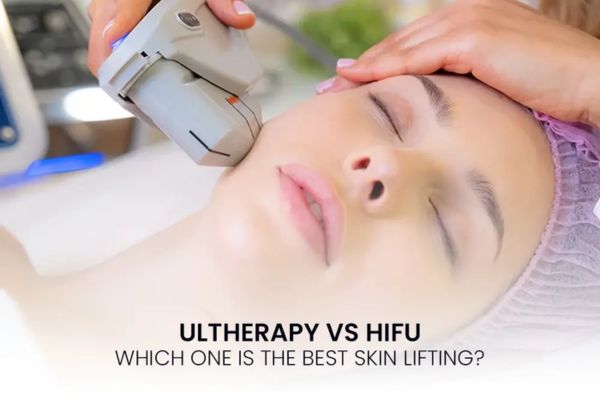
Choosing the right treatment based on goals and expectations
Which treatment suits which type of patient?
Choosing the right treatment depends on your skin condition, age, and expectations for lifting results. Understanding who each option is best suited for helps ensure safe and satisfying outcomes.
Ultherapy Prime
Ultherapy Prime is best suited for individuals with moderate to severe skin laxity who want visible lifting without surgery. It is ideal for those seeking a medical-grade solution with proven depth targeting and predictable outcomes, especially when comparing treatment options such as Ultherapy Prime vs HIFU.
This treatment also suits patients who prefer a single, comprehensive session for skin tightening with ultrasound rather than multiple maintenance visits. Results develop gradually but tend to last longer compared to many other non-surgical options. Ultherapy Prime is commonly chosen by patients prioritising precision, safety, and durability.
HIFU
HIFU suitability should be assessed according to the degree of skin laxity, treatment area, skin condition and expected level of change rather than age alone. Readers comparing other non-surgical options can review the differences between HIFU and Forma, particularly how focused ultrasound and radiofrequency address different tissue depths and skin concerns.
For patients comparing Ultherapy Prime vs HIFU, HIFU is often selected by those who prefer gradual, subtle improvements rather than dramatic lifting. It is also attractive to individuals seeking a less intensive and more budget-friendly approach. However, results and longevity may vary depending on the device and practitioner.
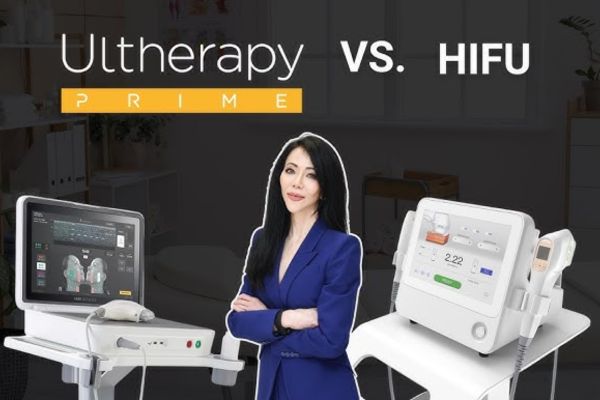
Patient suitability determined by skin condition and ageing stage
Frequently Asked Questions (FAQs): Ultherapy Prime vs HIFU
Below are the most common questions patients ask when comparing these two non-surgical skin lifting treatments. The answers focus on safety, results, and how to choose the right option for your skin goals.
How are Ultherapy Prime and HIFU different?
Ultherapy Prime vs HIFU differs mainly in imaging and precision. Ultherapy Prime uses real-time ultrasound imaging to target exact skin layers safely. HIFU does not visualise tissue during treatment, which can affect accuracy and consistency.
Which treatment is more painful, Ultherapy Prime or HIFU?
Ultherapy Prime may feel more intense because it targets deeper, proven layers of the skin. However, treatments are controlled and typically well tolerated. Discomfort levels also depend on individual pain thresholds and practitioner technique.
Do Ultherapy Prime results last longer than HIFU?
When comparing Ultherapy Prime vs HIFU, Ultherapy Prime generally offers longer-lasting results. Outcomes typically last 12–18 months as collagen continues to rebuild. HIFU results may fade sooner and often require repeat sessions.
Are both treatments downtime-free?
As non-surgical procedures, both options involve little downtime. Mild redness or sensitivity may appear but typically resolves within hours.
Who should consider Ultherapy Prime instead of HIFU?
In the Ultherapy Prime vs HIFU comparison, Ultherapy Prime is better suited for patients with moderate to severe skin laxity. It is ideal for those who prioritise safety, precision, and predictable results. Patients seeking a single, comprehensive treatment often prefer Ultherapy Prime.
Common patient concerns about safety, results, and suitability
Conclusion
Ultherapy Prime vs HIFU comes down to precision, safety, and long-term predictability of results. While HIFU may offer a lower upfront cost, Ultherapy Prime stands out with real-time imaging, proven treatment depths, and consistent clinical outcomes.