
Red Light Therapy: Benefits, How It Works and What to Expect
Red light therapy helps stimulate collagen, improve skin tone, and support faster skin recovery. This non-invasive treatment is suitable for many skin types and aesthetic goals today. Let’s discover how this light-based solution can transform your skin journey!
An overview of red light therapy at a glance
To understand what is red light therapy, photobiomodulation uses near-infrared light delivered by LED devices or low-energy lasers to stimulate natural biological responses in the body. The light energy triggers cellular activity that supports tissue repair and overall skin health. This process works at a microscopic level to enhance how cells function and recover.
Red light therapy commonly uses low-level LED wavelengths that appear red and are widely found in home devices. It can also be delivered through low-energy lasers or a combination of LEDs and lasers for more targeted treatment. Laser-based systems are more often used in professional or clinical environments.
Light therapy devices come in many forms, such as full-body beds, red light therapy masks, panels, caps, and handheld wands. Each device is designed for different treatment areas and usage purposes. The type of device and recommended treatment frequency depend on the treatment location and the part of the body being treated.
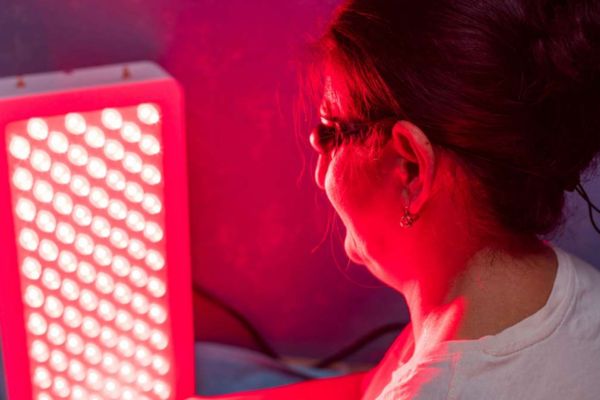
A clear snapshot of light-based treatment science today
How does red light therapy affect your cells?
This treatment is believed to act on mitochondria, often described as the power centers inside your cells. By increasing cellular energy production, the body can better support repair processes and improve overall cell performance. Certain light wavelengths used in LED light therapy are absorbed by cells and trigger these biological responses.
Red light therapy supports skin health by stimulating collagen production, which helps maintain skin structure, firmness, and elasticity. It also encourages the activity of fibroblasts, the cells responsible for producing collagen in connective tissue. These processes contribute to visible skin rejuvenation over time.
In addition, improved blood circulation to treated tissues may help deliver oxygen and nutrients more efficiently. This increased circulation supports healing and tissue recovery. The therapy may also help reduce inflammation at the cellular level.

Cellular energy and recovery mechanisms under targeted light exposure
What positive health effects does red light therapy offer?
Red light therapy works best when used consistently over time, not as a one-off treatment. Although long-term effects are still being studied, short-term research shows promising health benefits with very few side effects. The five main reasons people choose red light therapy today include:
Gentle, non-surgical solutions for skin rejuvenation
This treatment is cleared by the FDA for home use in cosmetic skin care and is also widely offered in dermatology clinics. It is often combined with professional procedures such as microneedling, topical products, or chemical peels. This combined approach helps improve overall skin quality and visible aging concerns with red light therapy.
Clinical studies show improvements in skin tone, texture, and firmness as key red light therapy benefits after several months of regular use. Visible signs such as fine lines, discoloration, and dark spots may gradually become less noticeable. In some cases, results can continue for weeks even after treatment stops.
Supporting stronger and fuller-looking hair growth
Several at-home light devices such as caps, helmets, and laser combs are approved for promoting hair regrowth. Near-infrared light is believed to stimulate hair follicles and support healthier growth cycles. This may help slow shedding while encouraging new strands to grow.
Research on hereditary and hormone-related hair loss shows that repeated treatments can improve hair density and thickness. Some studies also report increases in hair length over time. One comparison study suggests low-level light therapy may perform similarly to common hair-loss medication.
Reduce oiliness and inflammatory lesions
This explains what does red light therapy do by supporting acne care through skin repair and inflammation control. Unlike blue-light treatments used in photodynamic therapy, it does not directly target bacteria or oil glands. Instead, it focuses on activating natural healing responses within the skin.
Small clinical trials show noticeable reductions in oil production and visible acne lesions after a short series of treatments. Participants reported clear improvements without meaningful side effects. Larger studies indicate that combining red and blue light treatments may offer even better acne clearance.
Enhancing mental performance and neurological well-being
Wearable light devices such as headsets and helmets can deliver near-infrared light to the brain through the scalp and nasal pathways for infrared light therapy. Researchers are currently investigating how this approach affects memory and mental performance. Early findings are especially focused on people living with cognitive decline.
Studies involving individuals with mild to moderate dementia show meaningful improvements in cognitive function after repeated treatments. Daily short exposure sessions over several weeks were linked to measurable benefits. Researchers found no serious treatment-related side effects.
Non-drug pain relief solutions
Red light therapy has been widely studied for its potential to reduce both acute and long-term pain. Research reviews indicate that photobiomodulation can help relieve inflammation and discomfort in various conditions. These include joint problems, muscle pain, and post-surgical recovery.
Evidence shows positive pain-reduction outcomes in fibromyalgia, knee osteoarthritis, and lower back pain. Patients often experience noticeable symptom relief during treatment periods. However, several studies report that pain can return weeks after therapy is discontinued.
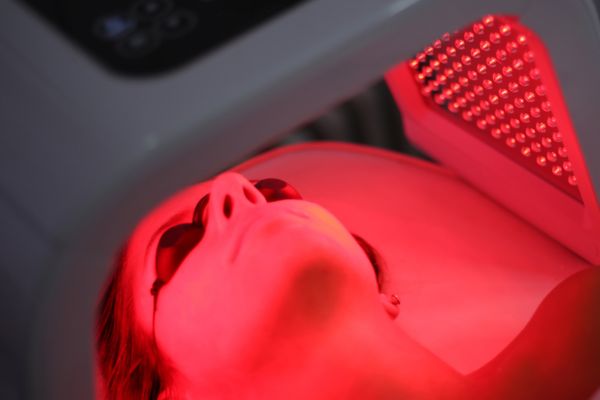
Potential wellness and recovery advantages across multiple body systems
Which skin concerns are treated with red light therapy?
This treatment is being explored as a supportive option for a wide range of cosmetic and medical skin concerns. Researchers and clinicians are evaluating how this light-based treatment may improve skin appearance, recovery, and overall skin health with red light therapy.
- This approach may help the skin heal faster after minor injuries or procedures by supporting natural tissue repair processes.
- Some studies suggest that this treatment can soften the appearance of stretch marks by improving skin elasticity and texture.
- The therapy is also being investigated for reducing wrinkles, fine lines, and age spots through collagen stimulation.
- Many practitioners use it to enhance overall facial texture and promote smoother, more even-looking skin.
- Researchers are testing its potential to relieve symptoms of chronic skin conditions such as psoriasis, rosacea, and eczema.
- Clinical use includes improving the appearance of scars by encouraging healthier skin regeneration.
- The treatment is being studied for restoring skin damaged by long-term sun exposure.
- In patients with androgenic alopecia, red light therapy is being evaluated for its ability to support hair growth.
- Dermatology clinics are also assessing its role in improving acne by reducing inflammation and supporting skin recovery.
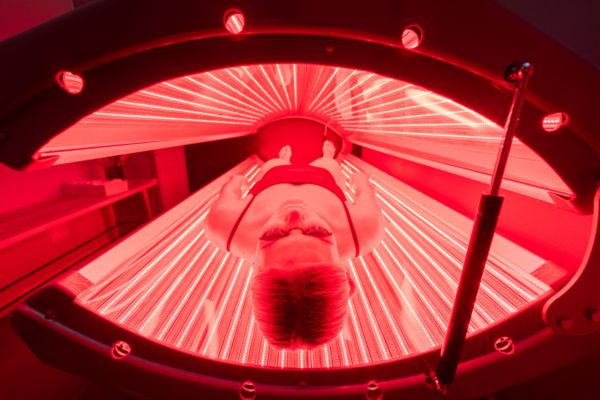
Common cosmetic and clinical skin concerns addressed by light
Does this method actually produce measurable results?
Many specialists agree that it is still unclear whether red light therapy works for all the benefits it claims to provide. Current research suggests possible benefits for certain conditions, but the overall evidence remains limited. For now, it is considered an emerging treatment that continues to attract attention, even though strong proof for most uses is still lacking.
To properly confirm whether a treatment is effective, researchers rely on randomized, placebo-controlled clinical trials. In this type of study, people with similar characteristics such as age, sex, and physical condition are randomly assigned to receive either the real treatment or a fake one. This design helps reduce bias and improves the reliability of the results.
Some clinical trials also compare the new therapy with an existing standard treatment. This allows researchers to evaluate whether the new method performs better than no treatment or matches current medical options. Such comparisons help determine the true clinical value of the therapy.
A large number of published studies on red light therapy have important limitations. Many involved only small groups of participants, lacked a placebo group, were conducted in animals, or were limited to laboratory cell studies. While the early findings appear encouraging, researchers emphasize that larger and higher-quality human studies are still needed.

Current evidence and limitations behind real-world treatment outcomes
Red light therapy for sore muscles and pain relief
This light-based approach is increasingly used by sports trainers, professional athletes, and active individuals to support physical performance and recovery. Many people turn to this method to shorten recovery time, reduce muscle soreness, and manage stiffness and exercise-related pain.
Performance and strength support for athletes
Many athletes and strength trainers integrate this light-based method into their regular training routines to improve muscle performance and grip strength. It is also used to support endurance, speed, and overall training efficiency. Early studies suggest that combining exercise with red light therapy may contribute to greater muscle growth and strength gains.
Small clinical trials indicate that light-based treatment may help muscles respond better to physical training. Researchers believe this effect may be linked to improved cellular activity during and after workouts. However, larger studies are still needed to confirm these performance-related benefits.
Reducing exercise strain and injury risk
Athletes often use light-based treatments to recover faster after intense workouts and physical strain. This approach is also being explored as a way to reduce the risk of training-related injuries. Many users report faster recovery and less post-exercise discomfort.
Researchers suggest that light exposure may reduce the activity of an enzyme linked to muscle soreness and tissue damage. When used shortly before exercise, this therapy may limit how strongly that enzyme affects muscle tissue. This mechanism may explain why some people experience reduced soreness after training.
Improving comfort in musculoskeletal conditions
This approach is being applied to help relieve both chronic pain and short-term pain caused by injuries. It is also used to support daily comfort and improve quality of life for people living with persistent pain conditions. A 2021 research review suggests that red light therapy may help reduce pain in both acute and chronic musculoskeletal disorders, as well as fibromyalgia.
Clinical findings indicate potential benefits for people experiencing joint pain, muscle pain, and widespread body discomfort. Researchers observed improvements in pain levels across different patient groups. Even so, further high-quality studies are still required to better understand its long-term effectiveness.
Muscle recovery and post-exercise comfort with light exposure
Is this treatment generally considered safe for regular use?
Current evidence suggests that this treatment is generally safe when used correctly and for short periods. It is non-invasive, non-toxic, and usually gentler than many topical skin procedures. Unlike ultraviolet light from the sun or tanning beds, it does not rely on radiation linked to skin cancer.
Problems may occur if devices are overused or operated incorrectly. When red light therapy is applied too frequently or without proper eye protection, the skin or eyes may be at risk of irritation or injury. In addition, the long-term safety of these devices has not yet been clearly established.
For the highest level of safety, it is best to consult a dermatologist or a trained cosmetic professional before starting treatment. A specialist can confirm whether your skin concern has been correctly identified. They can also explain whether this approach or another option would be more suitable for your needs.
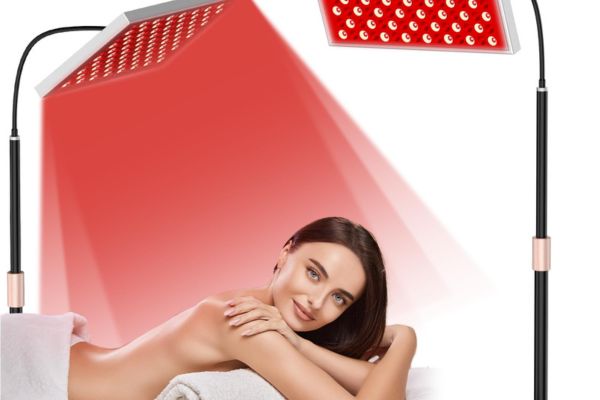
Safety profile and responsible use considerations for light devices
Best practices for safe at-home light therapy
Although current research shows a low risk of serious side effects, long-term safety is still being studied. To use red light therapy more responsibly at home, experts recommend following these practical precautions:
- A consultation with a qualified dermatologist is recommended before beginning any light-based treatment, particularly for individuals with darker skin tones or a history of pigmentation concerns.
- Selecting a device that is designed for the specific body area being treated can improve both safety and results.
- Devices that carry an “FDA-cleared” label provide an added level of reassurance regarding basic safety standards.
- Carefully following the manufacturer’s instructions, including exposure time and eye-safety guidance, helps reduce the risk of unwanted side effects.
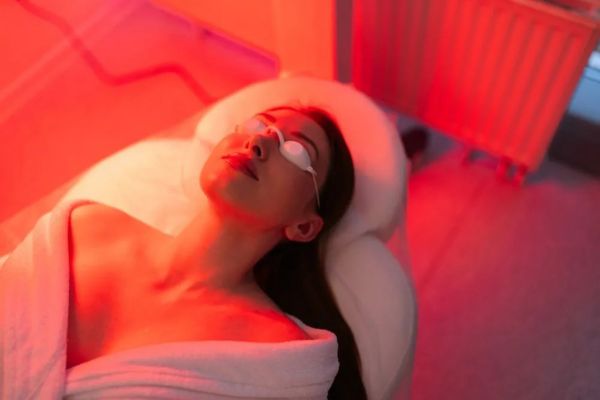
At-home usage guidelines for safer and effective light care
FAQs about the red light therapy in detail
Below are common questions people ask when considering light-based treatments for skin, health, and recovery. These answers explain current knowledge, safety considerations, and realistic expectations in simple terms.
What improvements can this therapy truly deliver?
Red light therapy is commonly used to support skin rejuvenation, muscle recovery, and pain relief. Current studies suggest it may help stimulate cellular activity, improve circulation, and reduce inflammation in certain conditions. However, results can vary depending on the device, treatment schedule, and individual response.
Is red light therapy appropriate for personal use at home?
Many devices are designed for safe use with red light therapy at home, but choosing a certified product and following instructions is essential. Home users should pay close attention to treatment duration, eye protection, and device placement. Consulting a qualified professional before starting can help avoid improper use.
How soon can visible changes usually be noticed?
This treatment does not produce instant changes and typically requires consistent use over several weeks, which is an important factor when asking does red light therapy work. Some people notice gradual improvements in skin appearance or muscle comfort after repeated sessions. Long-term outcomes still depend on treatment frequency, device quality, and individual health factors.
What possible risks should users be aware of?
Short-term use is generally considered low risk when devices are used correctly. Potential issues may include mild skin irritation or eye discomfort if safety guidelines are ignored. Long-term safety data is still limited, so professional guidance remains important.
Who should consult a professional before using this treatment?
This treatment should be used carefully by individuals with certain skin conditions, photosensitivity, or a history of pigmentation disorders. People who are unsure about their skin or medical condition should seek medical advice before starting. A healthcare professional can determine whether red light therapy is appropriate and safe for their situation.
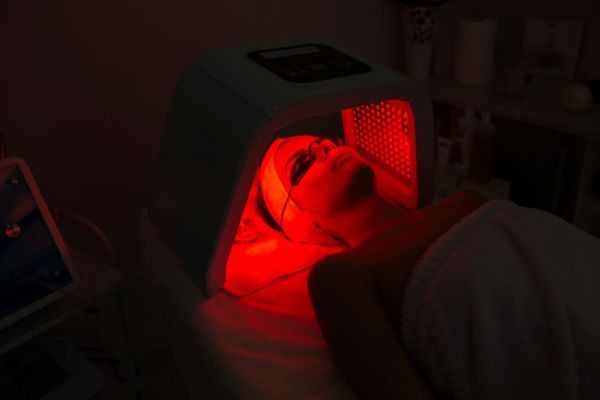
Detailed answers for common questions about light-based treatments
Conclusion
Red light therapy offers a promising, non-invasive approach to improving skin health, supporting recovery, and easing everyday discomfort. While research is still evolving, current evidence suggests meaningful benefits when treatments are used consistently and correctly.