
Ultherapy Side Effects: What to Expect After Treatment
Ultherapy side effects include redness, swelling, tenderness, and temporary nerve sensations that may occur after treatment. Understanding these risks helps patients set realistic expectations and prepare for proper aftercare. Let’s explore the most common reactions, safety tips, and what to expect during recovery!
What does the side effects of Ultherapy mean?
Ultherapy side effects refer to the temporary reactions that may occur after an Ultherapy treatment session. These reactions are part of the skin’s natural response to focused ultrasound energy. In most cases, they are mild and resolve on their own within a short period.
This happens because focused ultrasound energy reaches the deeper skin layers to activate collagen renewal. The treated tissue briefly responds as part of the normal healing process. As a result, mild redness, swelling, tenderness, or sensitivity may appear.
For most patients, these effects remain subtle and temporary. Most daily activities can be continued without any disruption. More significant problems are uncommon when treatment is carried out by a qualified and experienced provider.
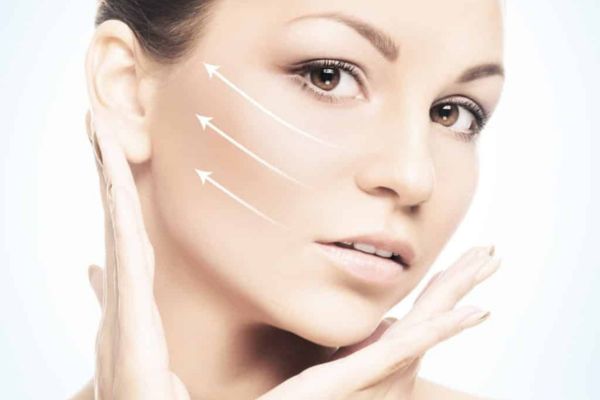
An overview of common reactions after focused ultrasound treatment
Typical Ultherapy side effects during the recovery period
Ultherapy is a non-invasive aesthetic treatment with a strong safety profile, but mild and temporary reactions can still appear in some patients after the session. Most people notice only short-term changes as the skin responds to focused ultrasound energy and begins its natural collagen-renewal process.
Mild facial puffiness
Mild swelling in the treated area is commonly noticed during the first few days after the procedure, especially as the skin begins to respond to ultrasound stimulation. In this early stage, Ultherapy side effects may appear as part of a natural healing reaction when deeper tissue layers are activated to support collagen regeneration. The swelling is usually subtle and gradually improves on its own without the need for medical treatment.
In most cases, the affected area may feel slightly puffy, tight, or heavier than usual when touched, which is typical of swelling after Ultherapy. Drinking enough water and avoiding excessive heat exposure can help reduce visible puffiness and support skin recovery. The skin typically returns to its normal appearance within a short time as inflammation naturally settles.
Sensitive and tender skin
Tenderness is commonly felt in areas where deeper tissue structures were targeted during the treatment session, which often leads patients to ask, does Ultherapy hurt. The sensation is similar to muscle soreness after physical exercise and may feel slightly uncomfortable when pressing the skin. It usually becomes less noticeable each day as the tissue recovers.
Some patients feel increased sensitivity when applying skincare products or makeup in the first few days, which may lead people to ask whether is Ultherapy painful. Gentle cleansing and light, fragrance-free moisturizers can improve overall comfort and reduce irritation. Normal daily activities are rarely interrupted by this reaction.
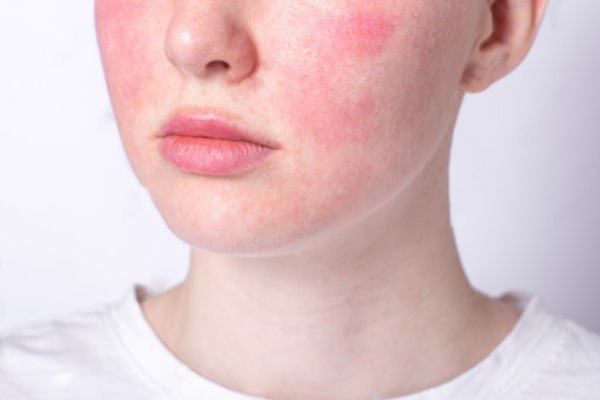
Brief redness after treatment
Short-term redness can occur after Ultherapy treatment for facial and neck laxity because focused ultrasound creates controlled thermal points beneath the skin. The reaction may settle relatively quickly for some people, but its intensity and duration can vary. Persistent, severe or worsening symptoms should be assessed by the treating practitioner.
Redness is more visible in individuals with sensitive or easily reactive skin types. Cooling the skin gently with a clean cold compress can help reduce warmth and flushing. Most patients see their skin tone return to normal within hours after treatment.
Light bruising in some cases
A small number of patients may notice light bruising in specific areas following the procedure. This can happen when delicate blood vessels respond to deeper tissue stimulation from the ultrasound energy. The marks are typically mild and limited to small spots.
Bruising tends to disappear naturally within several days as the skin heals. Using gentle skincare and avoiding pressure on the treated area can support recovery. Makeup can typically be worn again the following day if necessary.
Mild tingling or temporary numbness in the nerves
Some people considering Ultherapy for jowls may notice temporary tingling, tenderness or altered sensation around the jawline or neck after treatment. These symptoms should not automatically be dismissed as harmless. Their severity and duration can vary, and persistent, worsening or movement-related symptoms should be assessed by the treating practitioner.
The symptoms usually improve gradually over the following days without any special care. Normal facial movement and expression are not affected in typical cases. The sensation generally resolves completely on its own without the need for medical treatment.

Common short-term skin responses during the early recovery phase
Ultherapy complications: Uncommon but serious risks
While Ultherapy is considered a very safe procedure when performed by a properly trained and experienced medical provider, rare but serious complications may still occur if the treatment is delivered incorrectly or by an unqualified practitioner.
Heat-related skin damage
In very rare situations, Ultherapy side effects may include burns or skin damage when incorrect energy settings or improper treatment techniques are used during the session. Ultherapy relies on microfocused ultrasound technology to heat deep layers of the skin and connective tissue in a controlled manner. When the ultrasound is not delivered at the correct depth or intensity, surrounding tissue may be exposed to unnecessary thermal stress.
However, this risk is extremely uncommon when treatment is performed by a board-certified and well-trained specialist. Experienced providers understand how to select appropriate energy levels based on individual anatomy and skin thickness. Proper technique and real-time treatment control greatly reduce the likelihood of accidental skin injury.
Short-term nerve disturbance
In rare cases, temporary nerve irritation has been reported following treatment and may be considered one of the possible Ultherapy negative side effects. This may lead to mild facial weakness, subtle drooping, or temporary changes in skin sensation in specific areas of the face or neck. These symptoms are generally limited in severity and do not indicate permanent nerve damage.
Most reported cases improve naturally and resolve on their own within several weeks, and Ultherapy side effects long term are considered very uncommon when proper techniques are used. Skilled practitioners carefully plan treatment zones to avoid sensitive anatomical structures and nerve pathways. A thorough understanding of facial anatomy is essential for minimizing this risk and maintaining patient safety.
Ongoing pain after treatment
Although most patients experience only short-term tenderness, Ultherapy side effects can rarely include prolonged pain or discomfort that lasts for several months after treatment. This usually occurs when excessive ultrasound energy is delivered to certain treatment areas during the session. The discomfort may feel deeper and more persistent than typical post-procedure soreness.
Careful treatment planning plays an important role in preventing this complication. Each patient requires an individualized approach to treatment depth, energy level, and coverage area. Proper customization allows practitioners to achieve visible lifting results while avoiding unnecessary discomfort for the patient.
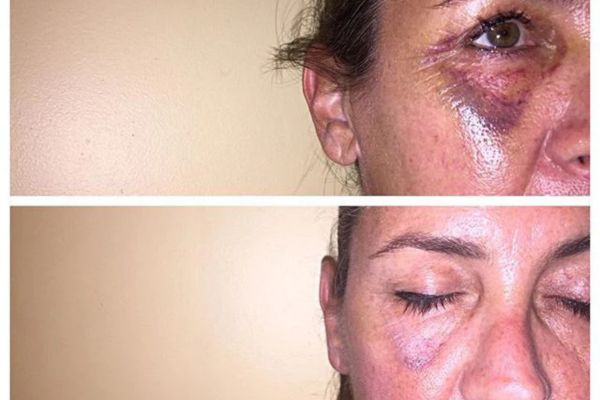
Rare but serious risks associated with focused ultrasound procedures
How long does recovery from Ultherapy side effects take?
Recovery after Ultherapy varies between individuals. Temporary redness, swelling or tenderness may settle relatively quickly for some people, while deeper sensitivity or other symptoms may last longer. Ultherapy before-and-after changes should be evaluated separately from short-term reactions, and persistent, severe or worsening symptoms should be assessed by the treating practitioner.
Recovery speed can vary from person to person based on skin condition and overall healing ability. Ultherapy side effects often resolve faster in individuals with healthy skin and good tissue regeneration. In most cases, patients are able to return to their normal routines without downtime.
The length of time these reactions persist can be influenced by several different factors. Skin sensitivity, treatment area, and baseline skin condition all play an important role. In addition, provider technique and post-treatment care can significantly affect how quickly the skin returns to normal.
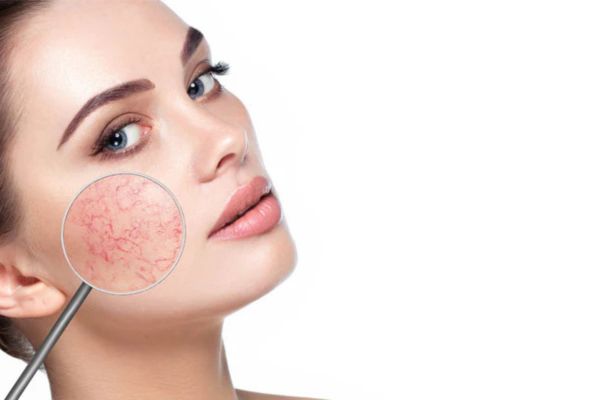
Expected timeframe for skin healing and comfort after treatment
Which patients are more prone to Ultherapy side effects?
Some people may be more sensitive to aesthetic treatments and are more likely to notice temporary reactions. Understanding your skin type and treatment history can help you prepare more effectively before your session.
Delicate or fragile skin
People with thin or reactive skin are often more prone to Ultherapy side effects during the early recovery period. This skin type tends to respond more strongly to heat and energy delivered into deeper tissue layers. As a result, redness or mild stinging sensations may be more noticeable.
A weaker skin barrier can also make post-treatment sensitivity feel more intense. Gentle skincare and proper aftercare are especially important for these individuals. This approach helps calm the skin and supports a smoother recovery process.
Easily bruised skin types
Individuals who bruise easily or have fragile capillaries may be more likely to notice light bruising after treatment. This reaction is related to how small blood vessels respond when deeper tissue is stimulated. The bruises are usually localized and mild.
Certain medications or supplements can further increase the likelihood of bruising. Personal healing patterns play an important role in how quickly the skin recovers. In most cases, any bruising fades naturally within a few days.
Individuals with a prior history of aesthetic or beauty treatments
People who have undergone several previous aesthetic procedures may notice Ultherapy side effects more easily than first-time patients. The skin and underlying tissue can become more sensitive after repeated energy-based treatments. This may lead to more noticeable post-procedure reactions.
In addition, the structure of the skin and connective tissue may already be altered from prior procedures, which can raise concerns about Ultherapy sunken face in some patients. The body may therefore need slightly more time to adapt and recover. A thorough assessment of treatment history helps reduce unnecessary discomfort.
Patient characteristics linked to higher sensitivity after aesthetic procedures
How to manage Ultherapy side effects after a session
Proper aftercare can help the skin recover faster and minimize temporary discomfort. Daily habits and post-treatment routines also play an important role in overall healing.
Aftercare tips for skin following Ultherapy
Skin care after Ultherapy should focus on gentle protection and barrier recovery.
- Ultherapy side effects can be reduced by cleansing the skin gently and maintaining adequate hydration right after the procedure.
- Using mild, non-irritating skincare products helps support the skin barrier and limits unnecessary irritation.
- This approach allows the treated skin to stabilize more comfortably during the early recovery period.
- Applying a soothing moisturizer can improve skin comfort and reduce tightness.
- Broad-spectrum sunscreen should be used consistently when going outdoors.
- Avoiding friction or deep facial massage helps prevent unnecessary sensitivity.
What to avoid in order to minimize side effects
Certain activities should be avoided to help limit unwanted reactions.
- During the first few days, it is best to avoid saunas, hot baths, and intense heat exposure.
- In some individuals, Ultherapy side effects may become more noticeable if strong exfoliating products or active treatments are used too early.
- High-intensity workouts can also temporarily increase redness or discomfort in treated areas, especially if you notice a swollen face after Ultherapy.
- Skipping aggressive facial treatments allows the skin more time to recover naturally.
- Delaying chemical peels or resurfacing procedures supports better healing.
- These precautions help ensure a smoother and more comfortable recovery.
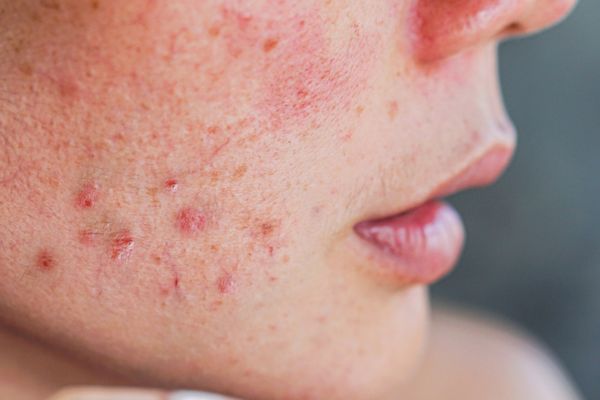
Practical aftercare guidance for smoother and more comfortable healing
When is it necessary to see a doctor for Ultherapy side effects?
In most cases, post-treatment reactions are mild and resolve on their own. However, it is still important to recognize unusual signs early and seek medical advice when needed.
- Severe pain or pain that continues to worsen after several days
- Blistering, open sores, unusual skin discoloration, or signs of infection
- Persistent numbness, facial weakness, or noticeable facial asymmetry
- Significant swelling, intense heat, or redness that does not improve
- Loss of sensation in a specific area for an extended period
If you experience any of the symptoms above, Ultherapy side effects may no longer be within the range of normal recovery responses. Seeing a qualified medical professional early allows proper evaluation and timely management. This approach helps protect your safety and supports a smoother recovery process.
Warning signs that require professional medical evaluation after treatment
Are the side effects of Ultherapy harmful?
Overall, Ultherapy is widely considered a safe, non-invasive skin-tightening procedure when performed by a properly trained provider. Most post-treatment reactions are mild, short-lived, and resolve without medical intervention. Serious complications are uncommon and are usually linked to improper technique rather than the technology itself.
Ultherapy side effects are generally limited to temporary redness, swelling, tenderness, or mild nerve-related sensations. These reactions are considered part of the normal healing and collagen-stimulation process. For the majority of patients, daily activities can be resumed immediately without disruption.
When compared with other skin rejuvenation methods such as surgical lifting procedures, Ultherapy carries a much lower risk of infection, scarring, and prolonged downtime. It is also considered safer than more aggressive energy-based or invasive treatments that penetrate or remove the skin surface. As a result, its overall risk profile is relatively low among modern facial rejuvenation options.

Overall safety profile compared with other noninvasive facial treatments
FAQs about the Ultherapy side effects
Below are common questions patients often ask before and after treatment. These short answers focus on safety, recovery, and what you should realistically expect.
Are post-treatment reactions normal?
These reactions are usually mild and expected during the early recovery period. Most patients notice short-term redness, tenderness, or slight swelling. These symptoms typically fade on their own without the need for medical treatment.
How long should Ultherapy side effects continue?
Most people recover within a few hours to several days. Mild sensitivity or tightness may last slightly longer in some areas. Full comfort usually returns without affecting daily routines.
Will these reactions limit normal activities?
In most cases, patients can return to work or social activities immediately after treatment without disruption. Daily routines are usually maintained, and any discomfort is subtle and easy to manage. These minor reactions are commonly described as Ultherapy side effects.
Is any special care required after Ultherapy?
Simple and gentle skincare is usually sufficient. Patients are advised to avoid excessive heat and aggressive treatments for a short period. Following professional aftercare guidance supports smoother healing.
Is it a problem if symptoms feel different than expected?
While unusual or worsening symptoms should be monitored carefully, Ultherapy side effects are normally mild for most patients. Persistent pain, severe swelling, or nerve-related changes should be evaluated by a medical professional. Early medical advice can help reduce the risk of avoidable complications.
Common patient questions about safety, recovery, and expected outcomes
Conclusion
Ultherapy side effects are usually mild, temporary, and manageable when the treatment is performed by a qualified provider. Most patients can return to normal activities quickly with minimal disruption to daily life. Understanding realistic expectations and proper aftercare helps ensure a safer and more satisfying outcome.