
How Long Does Ultherapy Last? A Guide to Results and Longevity
How long does Utherapy last is one of the most common questions for people considering non-invasive skin tightening today. One to two years is the common timeframe, though this doesn’t apply to everyone. This article explains how long Utherapy results last, what to expect after treatment, and how to maintain outcomes safely.
How long does Utherapy last in detail?
In general, results are maintained for about 9 – 18 months, depending on skin quality and individual aging speed. For patients under 35 with good elasticity, outcomes often last around 12 – 18 months, while people over 40 or with noticeable laxity usually experience a shorter maintenance period of about 6 – 12 months. Skin thickness, lifestyle habits, and post-treatment care all play an important role in overall longevity.
How long does Utherapy last is one of the most common questions from patients considering non-invasive skin tightening. In practice, the duration of visible improvement depends largely on baseline skin laxity, biological age, and daily habits after treatment. Understanding each stage of improvement helps patients set realistic expectations and plan future maintenance sessions.
Timeline comparison | Typical timeframe |
When results become visible | Within approximately 2 to 4 weeks post-treatment |
When peak results are reached | Around 2 – 3 months |
Duration of maintained treatment results | On average 9 – 18 months, depending on age and skin condition, which clearly answers how long does Ultherapy results last for most patients. |
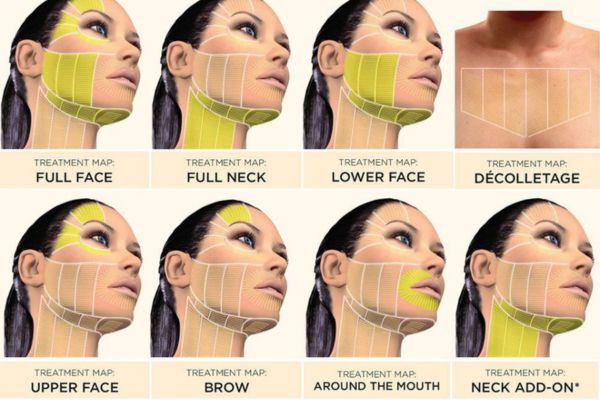
Detailed expectations for treatment durability and realistic timelines
Timeline of visible results after treatment
Visible changes after Ultherapy generally develop gradually rather than all at once. An Ultherapy before-and-after timeline can help illustrate how firmness or contour may appear at different follow-up points, but the timing and degree of change vary according to baseline skin condition, treatment area, settings and individual response.
Results do not appear immediately because the treatment works by triggering the body’s natural collagen-building process. New collagen takes time to form and reorganize beneath the skin. During the first few weeks, changes continue to develop gradually and become easier to recognize.
Changes after Ultherapy treatment for facial lifting and tightening generally develop gradually rather than appearing all at once. The timing and degree of visible firmness or contour change depend on baseline laxity, treatment area, planning and individual response. Fixed peak-result timelines should not be applied to every patient.
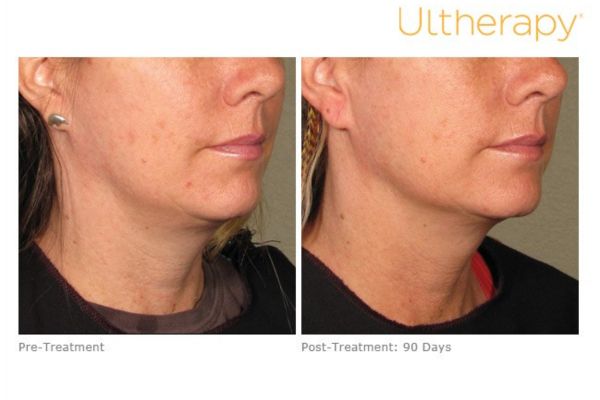
Clear stages of visible improvement after noninvasive lifting
How long does Utherapy last on each treatment area?
Different facial and neck areas respond differently to energy-based skin tightening treatments. Understanding these variations helps you set realistic expectations for each treatment zone.
Face
For patients seeking overall skin firmness and smoother contours, this is often the first concern when considering facial tightening treatments. In most cases, facial results are maintained for about 12 to 18 months, especially in patients with mild to moderate laxity. The cheeks and midface tend to respond well because collagen density in these areas is relatively higher, which explains how long does Utherapy last on the face.
Patients usually notice gradual improvement over several weeks, followed by more visible lifting at around two to three months. With proper skincare and sun protection, facial results can remain stable for a longer period. Regular maintenance sessions can also help preserve skin tightness as natural aging continues.
Jawline and neck
For people considering Ultherapy for jowls and jawline laxity, the duration of visible change varies according to baseline tissue descent, skin quality, anatomy, treatment coverage and individual response. Firmness and contour may develop gradually, but a fixed longevity should not be assigned solely according to the treatment area.
Early firmness can appear within the first few weeks, while clearer contour definition develops gradually. Because the skin is thinner and more mobile, results may soften sooner over time. Consistent skincare and healthy lifestyle habits play an important role in maintaining definition.
Under-chin or lower face
Improvement in the under-chin and lower face area varies more widely among patients, with most people maintaining visible results for around 9 to 12 months when mild sagging is the main concern. Fat distribution and baseline skin elasticity strongly influence how long the refined contour can be maintained. Individual aging patterns also contribute to differences in overall longevity.
How long does Utherapy last in the under-chin and lower face is often reflected by how quickly tightening appears and how stable the contour remains over time. Subtle firmness usually appears first, followed by clearer jaw and chin definition at around two to three months. For individuals with heavier tissue or more advanced laxity, results may fade slightly faster, and repeat sessions are often recommended to maintain a refined lower-face profile.
Different areas retain results differently because skin thickness, fat layers, and natural movement vary across the face and neck. Zones with thinner skin and constant motion tend to lose firmness more quickly over time. Individual aging patterns and collagen quality also play a major role in how long results are maintained.
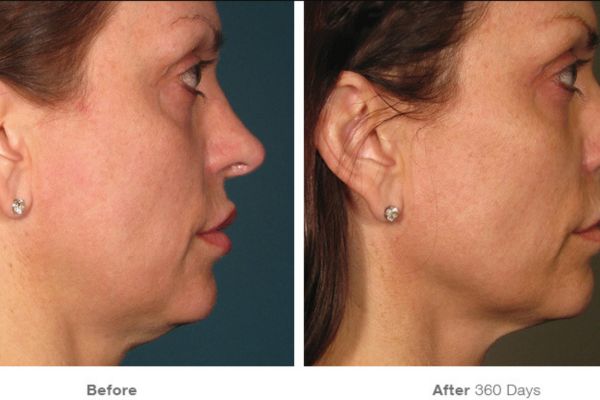
Result stability differences across facial and neck zones
What factors shape long-term treatment results?
Several personal and clinical factors can influence how long your skin tightening results remain visible. Understanding these elements helps you predict outcomes more accurately and plan long-term maintenance.
Age-related skin aging rate
Biological age and the natural speed of aging play a major role in how well the skin can maintain firmness over time. Younger skin usually regenerates collagen more efficiently, leading to longer-lasting tightening and support. How long Utherapy lasts is therefore closely linked to how quickly your skin can rebuild and stabilize its internal structure.
As people age, collagen production becomes less active and tissue support weakens more quickly. This can cause results to soften earlier, and how long does Utherapy last becomes more dependent on individual skin quality and aging speed, even when the initial response to treatment is good. Individual genetic differences also contribute to variations in aging patterns and long-term outcomes.
Initial skin looseness and resilience
The level of sagging and elasticity before treatment plays a major role in overall durability. Skin with mild laxity and good elasticity typically responds more evenly and maintains improvement for a longer period. Severely loose skin may show visible improvement but often loses firmness sooner.
Elastic fibers and dermal thickness determine how well the skin can hold structural changes. When the supporting tissue is already weakened, the lifting effect may be less stable. This is why careful skin assessment is essential before treatment.
Daily lifestyle and skin damage exposure
Daily habits largely shape treatment longevity after visible improvement appears, and how long does Utherapy last is strongly influenced by lifestyle factors such as smoking, stress levels, sleep quality, and sun exposure. Smoking, high stress, poor sleep, and frequent UV exposure can accelerate collagen breakdown. In contrast, balanced nutrition and consistent skincare help preserve treatment outcomes.
Environmental damage gradually weakens newly formed collagen. Skipping sun protection or using harsh skincare products may reduce result stability. Long-term skin health depends heavily on lifestyle consistency.
Skincare after treatment and upkeep
Proper aftercare helps protect newly stimulated collagen and supports gradual tissue remodeling. Gentle skincare routines and professional product guidance often improve overall skin recovery. Regular hydration and barrier support are also important during the healing phase.
Follow-up evaluations allow clinicians to monitor progress and adjust maintenance plans. Skincare consistency reinforces treatment benefits. Without adequate aftercare, improvements may fade sooner.
Professional technique and treatment approach
Clinical experience and technique directly affect how long Utherapy lasts for each individual. Proper energy placement, accurate depth targeting, and customized treatment plans improve collagen response, which directly affects how long does Ultherapy Prime last in real practice. A well-designed protocol helps ensure even stimulation across all treatment zones.
Poor technique or insufficient coverage may reduce structural support under the skin. Treatment planning must match facial anatomy and skin condition. Professional skill therefore plays a critical role in long-term results.
Key influences on durability and overall outcome consistency
Can regular Utherapy sessions improve result longevity?
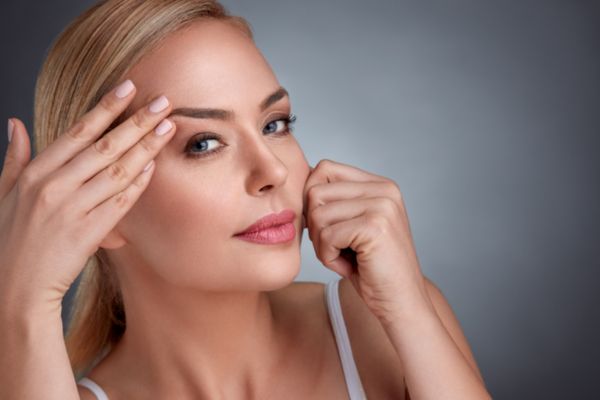
Repeat sessions are commonly recommended for patients who want to maintain stable skin tightening results over time. A follow-up treatment helps reinforce collagen stimulation and slow down visible relaxation of the skin, which directly affects how long does Utherapy last in real clinical practice.
In most cases, a suitable interval between sessions is around 9 to 12 months, depending on age, skin condition, and lifestyle. This spacing allows newly formed collagen to mature while preventing noticeable decline in firmness. Shorter or longer intervals may be advised based on individual response and treatment goals.
Utherapy can provide a cumulative effect when performed correctly and at appropriate intervals. Each session supports additional collagen remodeling and helps strengthen the underlying skin structure. However, it does not permanently stop aging, so gradual changes will still occur over time, which ultimately determines how long does Utherapy last.
Does Utherapy last longer with repeat treatments over time? For many patients, repeating the procedure at the right time helps maintain more consistent firmness and contour. A repeat session is usually recommended when you start to notice a gradual softening of results rather than waiting for full loss of improvement. This proactive approach supports more stable and natural-looking long-term outcomes.
Ongoing maintenance sessions and their impact on lasting firmness
Comparison of different skin tightening treatments
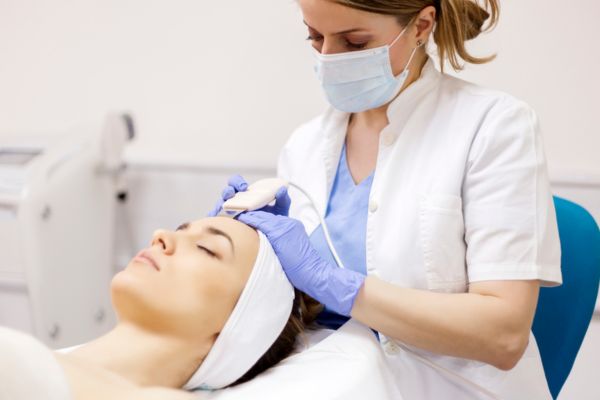
Exactly how long does Utherapy last compared to other skin tightening treatments in real clinical practice is one of the most important questions for patients choosing a non-invasive option. The comparison below focuses mainly on result longevity and typical use cases.
Treatment type | Typical result duration | Key characteristics |
Utherapy | About 9 – 18 months | Deeper collagen stimulation and gradual tightening |
RF skin tightening | About 6 – 12 months | Surface to mid-dermal heating, mild to moderate lifting |
Conventional HIFU | About 9 – 15 months | Focused ultrasound with variable depth precision |
Additional non-invasive skin rejuvenation treatments | About 3 – 9 months | Mainly skin texture and tone improvement |
Utherapy tends to maintain results longer in patients with mild to moderate skin laxity and good baseline elasticity. It is also more suitable for individuals who want gradual lifting with minimal downtime. In these cases, structural collagen remodeling helps stabilize the results for a longer period.
From a clinical perspective, understanding how long does Utherapy last compared to other skin tightening treatments for your skin type helps guide the right choice. Utherapy is not always the optimal option for patients with very heavy tissue, advanced sagging, or significant skin excess. In such situations, alternative technologies or combined treatment plans may deliver more predictable and satisfying outcomes.
Longevity differences among modern noninvasive tightening technologies today
Are the effects of Utherapy permanent?
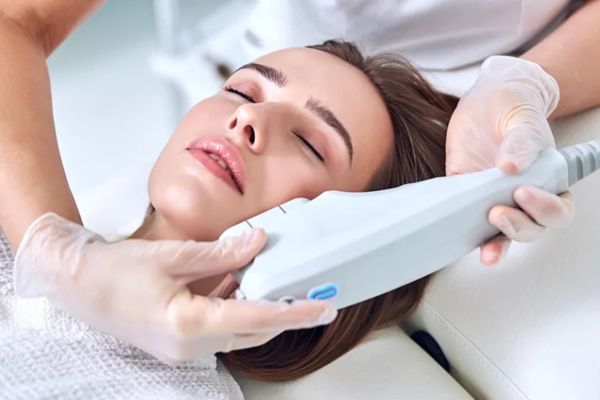
Utherapy does not stop the natural aging process of the skin, and it cannot prevent future structural changes caused by time, gravity, and daily environmental exposure. Instead, the treatment works by stimulating the body’s natural collagen production to gradually improve firmness, skin texture, and overall facial contour. Even after successful treatment, biological aging will continue to influence skin quality over the long term.
The treatment helps improve skin quality and maintain visible lifting and tightening results for a limited period rather than permanently changing the skin structure, which directly influences how long does Utherapy last for each individual. Many patients often ask in consultations, Is Utherapy permanent?, especially when they want long-term facial rejuvenation without surgery. In reality, the goal of this procedure is sustained improvement and maintenance, not permanent correction of aging.
Results gradually fade because newly formed collagen is also broken down naturally as part of the body’s ongoing skin renewal cycle. Over time, reduced cellular activity, progressive collagen loss, and lifestyle factors such as sun exposure and stress slowly weaken structural support. This is why periodic maintenance sessions are commonly recommended to help preserve and extend the visible benefits.
Long term expectations versus permanent structural skin change
Tips to make Utherapy results last longer
The following guidelines focus on daily care and long-term habits that help protect newly formed collagen and directly influence how long does Utherapy last for each patient. They also support more stable and natural-looking skin tightening results over time.
Recovery care recommendations
Proper aftercare in the first few days helps reduce unnecessary irritation and supports skin recovery. Gentle cleansing, light hydration, and avoiding harsh active ingredients are usually recommended during this early phase. This allows the skin barrier to stabilize while collagen remodeling begins.
Patients are also advised to avoid excessive heat exposure, intense workouts, and aggressive facial treatments for a short period. Mild redness or tenderness may occur and usually resolves on its own. Following professional aftercare instructions improves overall comfort and consistency of results.
Sunscreen use and skincare support
When patients ask, how long does Utherapy last, consistent sun protection becomes one of the most important factors after treatment. Daily broad-spectrum sunscreen helps protect newly stimulated collagen from UV-related breakdown. Simple and supportive skincare routines also reduce unnecessary inflammation.
In addition, choosing products that strengthen the skin barrier and support hydration further improves long-term stability. Active ingredients should be introduced gradually and based on professional guidance. This approach helps preserve skin quality and treatment benefits.
Lifestyle practices to support results
Healthy daily habits strongly influence how well the skin maintains firmness over time. Adequate sleep, balanced nutrition, and regular physical activity support natural skin regeneration. Reducing smoking and long-term stress also helps slow collagen degradation.
Hydration and consistent routines contribute to better tissue resilience. Excessive alcohol intake and irregular sleep patterns may accelerate visible skin aging. Stable lifestyle choices therefore support more durable outcomes.
Follow-up and skin evaluation timing
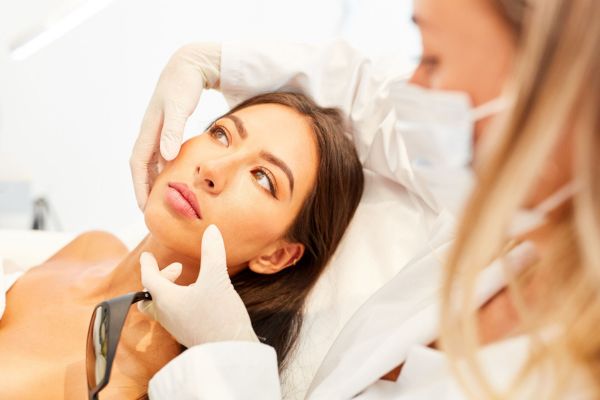
To better understand how long does Utherapy last in your individual case, regular professional reassessment is recommended. Most patients benefit from a follow-up visit several months after treatment to evaluate skin response and progression. This helps identify early signs of softening or uneven improvement.
Regular skin assessments allow clinicians to adjust maintenance strategies in a timely manner. Repeat sessions are often planned before noticeable result decline occurs. This proactive approach supports smoother, longer-lasting skin tightening outcomes.
Practical daily care for stronger and more stable results
Frequently asked questions about Utherapy duration
Below are quick answers to the most common concerns patients have about treatment longevity. They focus on real timelines, expectations, and maintenance planning.
What is the normal result lifespan after one procedure?
How long does Utherapy last depends mainly on your age, skin condition, and lifestyle. Most patients maintain visible tightening for around 9 to 18 months. Results may soften gradually rather than disappearing suddenly.
How long do results last after the first Utherapy treatment?
First-time patients often notice results developing more gradually than expected. The initial response depends on baseline skin laxity and collagen activity. A proper assessment helps predict how noticeable and stable the outcome may be.
Are treatment results equally long-lasting for all people?
Result duration varies significantly between individuals, depending on skin thickness, elasticity, and daily habits that influence how well firmness is maintained over time. These personal factors play an important role in how stable the overall improvement remains. This is why personalized treatment planning is essential when considering how long does Utherapy last.
Can repeat sessions actually extend treatment benefits?
Maintenance sessions help reinforce collagen stimulation before results noticeably fade. They support more consistent skin firmness over time. Most clinics recommend reassessment rather than fixed repeat schedules.
When should maintenance treatment be planned?
In your case, the timeline becomes clearer when you begin to notice gradual softening of the skin. How long does Utherapy last can be better understood at this stage rather than after results fully fade. Many patients repeat the procedure when firmness starts to decline to maintain more stable long-term results.
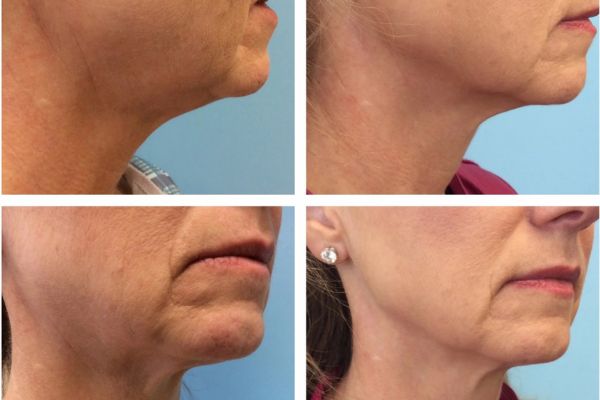
Common concerns about treatment timelines and realistic expectations
Conclusion
How long does Utherapy last usually ranges from about 9 to 18 months, depending on your skin condition, age, and lifestyle. The results are not permanent, but they can be maintained with proper aftercare and timely follow-up treatments. Choosing the right treatment plan and monitoring your skin over time helps you achieve more stable and longer-lasting results!