
Sunekos vs ASCE Exosomes: Which Regenerative Treatment Is Best for You?
Sunekos vs ASCE Exosome are two popular treatments designed to improve skin quality and overall rejuvenation. Both options help support hydration, skin repair, and a healthier, more youthful appearance through different mechanisms. We’ll explore the key differences, benefits, and how each treatment works to help you choose the most suitable option!
Important information about Sunekos treatment
Aesthetic skin treatments today increasingly focus on regenerative approaches, and many skin booster treatments are designed to support the skin’s natural repair mechanisms. Many modern therapies are designed to improve skin texture, hydration, and elasticity by stimulating biological processes within the skin. These treatments are often used to address concerns such as fine lines, dullness, and reduced firmness.
Both options are developed to enhance skin rejuvenation through advanced bio-stimulation technologies. Sunekos vs ASCE Exosome represent two regenerative approaches that work through different biological mechanisms to support skin renewal. While one focuses on structural support within the dermis, the other emphasizes cellular communication and repair.
Through these mechanisms, the treatments may provide various skin benefits depending on the specific skin concerns. Some approaches focus on improving collagen and elastin production to enhance elasticity and smoothness. Others aim to promote cellular regeneration, which can support skin recovery, texture refinement, and a more radiant appearance.

Essential facts about the Sunekos skin rejuvenation treatment
What does ASCE Exosome mean?
ASCE Exosome therapy is an advanced regenerative treatment designed to support skin repair and overall rejuvenation. It uses purified exosomes derived from stem cell technology to deliver biological signals that help improve skin quality. This approach is increasingly used in aesthetic medicine to enhance the skin’s natural renewal process.
Exosomes are small biological messengers that support cell communication. Sunekos vs ASCE Exosome is a comparison often discussed when exploring modern regenerative skin treatments. These signaling molecules carry growth factors and proteins that help stimulate cellular communication and support the skin’s natural healing process.
Through this regenerative mechanism, the therapy may help improve skin texture, elasticity, and overall radiance. The treatment is often used to support skin recovery and reduce the appearance of fine lines. As a result, the skin can appear smoother, more hydrated, and more refreshed.

Understanding the concept behind ASCE Exosome skin therapy
Sunekos vs ASCE Exosome: A comparison of key features
Both treatments belong to the group of regenerative aesthetic therapies that aim to improve skin quality through biological stimulation. However, their technology, formulation, and treatment goals vary in several important ways.
Regenerative mechanism behind each method
The comparison Sunekos vs ASCE Exosome often begins with how each treatment activates skin rejuvenation at the biological level. Sunekos works by supplying a patented complex of hyaluronic acid and amino acids that encourages fibroblasts to synthesize collagen and elastin. This stimulation gradually strengthens the dermal matrix and improves elasticity.
Instead of directly providing structural nutrients, the alternative method relies on microscopic vesicles that act as intercellular messengers. These particles transport growth factors and proteins that signal skin cells to repair and regenerate. Through this communication network, cellular activity related to healing and renewal can become more active.
Molecular composition and active agents
Sunekos is formulated with a balanced ratio of low-molecular-weight hyaluronic acid and essential amino acids. This combination creates a supportive environment that helps the skin rebuild important structural proteins. Hydration and dermal reinforcement are key outcomes of this formulation.
ASCE Exosome uses purified extracellular vesicles produced through advanced biotechnology processes. Inside these vesicles are peptides, lipids, nucleic acids, and signaling molecules involved in tissue regeneration. Rather than acting as building materials, these components function mainly as biological instructions for skin cells.
Skin needs best suited for each therapy
When evaluating Sunekos vs ASCE Exosome, the types of skin concerns addressed can also differ depending on the treatment’s biological focus. Sunekos is frequently chosen for concerns linked to dermal weakening, including fine lines, mild laxity, and dehydration. It is also commonly applied to delicate areas where restoring elasticity is a priority.
The other regenerative therapy is more closely associated with improving skin recovery and cellular vitality. It may be used to support dull skin, uneven texture, or skin that requires additional regenerative stimulation. Because of its signaling properties, it is also sometimes incorporated into treatments designed to enhance post-procedure healing.
Ways the procedure is carried out
Sunekos treatments are usually delivered through precise microinjections into targeted areas of the skin. A treatment plan often involves several sessions performed over a period of weeks to encourage gradual biological stimulation. The cumulative effect can contribute to smoother and more elastic skin.
In contrast, ASCE Exosome can be administered through multiple delivery techniques depending on the clinical objective. Methods such as microneedling or mesotherapy are sometimes used to facilitate penetration into the skin. This flexibility allows practitioners to adapt the procedure to different treatment protocols and skin conditions.

Key differences between two advanced regenerative skin treatments
Sunekos vs ASCE Exosome: Which Benefits Do They Offer?
Both treatments are widely used in regenerative aesthetics to enhance overall skin condition. Their benefits can vary depending on how each therapy supports hydration, repair, and long-term skin rejuvenation.
Benefit | Sunekos | ASCE Exosome |
Hydration and skin quality | Supports deep hydration through hyaluronic acid and helps improve skin elasticity and smoothness. | Helps improve overall skin condition by supporting cellular communication and tissue recovery. |
Skin regeneration and repair | Supports fibroblast activity for collagen and elastin formation. | Delivers regenerative signals that help promote cellular repair and renewal. |
Anti-ageing effects | Helps soften fine lines and improve firmness by strengthening the dermal structure. | Supports skin vitality and may help reduce visible signs of aging through regenerative activity. |
Natural skin rejuvenation | Encourages gradual improvement in skin texture and elasticity. | Promotes skin revitalization by activating biological repair pathways. |
The benefits of these treatments highlight two different regenerative strategies used in modern aesthetic medicine. In discussions about Sunekos vs ASCE Exosome, one approach mainly focuses on improving hydration and supporting collagen and elastin production to enhance skin firmness. The other emphasizes cellular regeneration and signaling processes that contribute to skin repair and overall radiance.

Comparing the major benefits offered by both skin treatments
Sunekos vs ASCE Exosome: Targeted skin concerns explained
Different regenerative treatments are designed to address specific skin concerns. Understanding the types of issues each therapy targets can help determine which option may better suit particular skin conditions.
Skin concern | Sunekos | ASCE Exosome |
Fine lines and wrinkles | Helps soften fine lines by stimulating collagen and elastin production in the dermis. | Fine lines and wrinkles | Helps soften fine lines by stimulating collagen and elastin production in the dermis. | Supports cellular repair processes that may improve the appearance of wrinkles over time. |
Skin laxity | Encourages improved skin elasticity through fibroblast stimulation. | May help enhance skin firmness by promoting regenerative signaling in skin cells. |
Dehydrated skin | Provides deep hydration with hyaluronic acid while supporting dermal structure. | Helps improve overall skin condition, which may indirectly support moisture balance. |
Dull or damaged skin | Supports smoother texture and healthier-looking skin through bio-stimulation. | Promotes skin recovery and renewal, helping improve dull or stressed skin. |
The skin concerns these treatments address may overlap, but their biological focus is different. When comparing Sunekos vs ASCE Exosome, one treatment mainly targets hydration, elasticity, and fine lines by strengthening the dermal matrix. The other emphasizes regenerative signaling that supports skin repair and revitalization.

Skin concerns commonly addressed by modern regenerative therapies
Which option should you choose: Exosome or Sunekos?
Choosing between regenerative skin treatments often depends on individual skin conditions, aesthetic goals, and the type of biological stimulation the skin may need. Although both therapies aim to improve overall skin quality, they work through different mechanisms and may therefore suit different concerns.
Individuals who want to improve skin hydration, elasticity, and early signs of aging may benefit more from Sunekos. This treatment focuses on supporting fibroblast activity through a combination of hyaluronic acid and amino acids, which can encourage the natural production of collagen and elastin. As a result, it is often selected for people seeking gradual improvement in skin firmness, smoothness, and moisture balance.
For people who are more interested in stimulating skin recovery and cellular repair, regenerative exosome-based therapy may be considered. This approach focuses on delivering biological signals that encourage communication between skin cells and support natural regeneration processes. The decision can become clearer when evaluating personal skin needs and treatment expectations in the context of Sunekos vs ASCE Exosome.
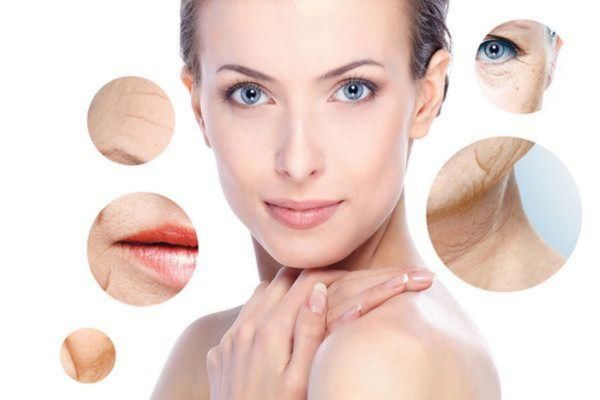
Factors influencing the choice between two regenerative skin treatments
Is it possible to combine Exosome vs Sunekos treatments?
In regenerative aesthetics, different treatments are sometimes combined to support multiple aspects of skin improvement within a single treatment strategy. This approach may help address hydration, structural support, and cellular regeneration at the same time. When carefully planned, combination therapies can potentially enhance overall skin quality and produce more balanced rejuvenation results.
Sunekos vs ASCE Exosome is often discussed when exploring whether these two regenerative therapies can complement each other in clinical practice. Sunekos mainly supports fibroblast activity and helps encourage collagen and elastin production through a blend of hyaluronic acid and amino acids. In contrast, exosome-based therapy focuses on delivering signaling molecules that stimulate cellular communication and support natural repair processes within the skin.
In some situations, aesthetic practitioners may suggest combining different regenerative treatments to target several skin concerns simultaneously. A personalized treatment protocol is typically designed based on factors such as skin condition, treatment objectives, and the desired level of regenerative stimulation. Careful assessment helps determine whether sequential sessions or complementary procedures may be the most suitable approach.

Combining regenerative skin therapies for enhanced aesthetic treatment results
FAQs about the ASCE Exosome vs Sunekos
People often have questions when comparing different regenerative skin treatments. The following FAQs highlight common concerns to help clarify how these two approaches may differ:
In what ways are the two treatments different?
The key difference between the treatments lies in how they support skin rejuvenation at the biological level. Sunekos vs ASCE Exosome is often discussed when comparing regenerative signaling therapy with bio-stimulation focused on collagen and elastin support. One approach mainly delivers cellular communication signals, while the other supplies structural nutrients that help stimulate fibroblast activity.
Which therapy supports better skin moisture levels?
Treatments designed to enhance hydration typically focus on strengthening the skin’s moisture balance and structural support. Some therapies use hyaluronic acid and amino acids to help maintain hydration and improve elasticity. Others concentrate more on regenerative signaling, which may indirectly contribute to healthier skin conditions.
Are both treatments effective for anti-aging support?
Many regenerative skin treatments aim to support the skin’s natural renewal process and reduce visible aging signs. When considering Sunekos vs ASCE Exosome, both approaches may contribute to smoother texture, improved elasticity, and a more refreshed appearance. However, their benefits may vary depending on how the skin responds to structural stimulation or regenerative signaling.
How many appointments are commonly recommended?
The number of sessions can vary depending on the treatment protocol and the individual’s skin condition. In many cases, a series of treatments spaced several weeks apart is recommended to allow gradual biological improvement. Consistency and professional guidance often play an important role in achieving noticeable results.
What influences the choice between the two treatments?
Choosing the most appropriate treatment often depends on factors such as skin concerns, treatment goals, and the level of regeneration required. Discussions around Sunekos vs ASCE Exosome usually focus on whether the skin may benefit more from structural support or from cellular regeneration signals. A professional assessment helps determine the most suitable option based on the overall condition of the skin.

Common questions about regenerative skin booster treatment options
Conclusion
Sunekos vs ASCE Exosome highlights two regenerative aesthetic approaches designed to support skin improvement through different biological mechanisms. While one focuses on enhancing hydration and stimulating collagen and elastin production, the other emphasizes cellular signaling that promotes skin repair and renewal. Understanding these differences can help individuals choose a treatment that aligns with their specific skin concerns and rejuvenation goals.