
Non-Surgical Facial Slimming: How To Get A Slimmer, More Defined Face in Melbourne
A well-defined jawline and a tapered lower face are among the most requested aesthetics in cosmetic clinics today – and achieving them no longer requires surgery. At Taega, we offer a range of non-invasive facial slimming treatments tailored to each patient’s anatomy, from muscle bulk and volume imbalance to skin laxity. This guide walks you through your options, how they work, and how to identify which approach is right for you.
Facial slimming treatment is not one single procedure. A wider or less defined lower face may come from masseter muscle size, chin and jawline structure, volume balance or skin laxity. At TAEGA in Melbourne, we assess your facial anatomy, goals and comfort level before discussing non-surgical options that may suit you.
Why facial slimming looks different for everyone
Facial slimming looks different for each person because facial width can come from muscle, structure, volume balance or skin laxity. A suitable facial slimming treatment starts with identifying what is creating heaviness or softness in the lower face, rather than choosing a treatment based only on the desired shape.
For some patients, the lower face looks wider because the masseter muscles are naturally strong or enlarged from clenching and grinding. This can create a square jawline, even when the rest of the face is balanced.
For others, the issue is proportion. A recessed chin, soft jawline or lack of projection can make the lower face appear shorter or wider. In this situation, face contouring non surgical options may focus on structure and balance rather than reducing width.
Skin laxity can also change how the lower face looks. When skin and deeper tissues soften around the jawline, the face may appear heavier even if there is no extra muscle bulk. This is why consultation plays a key role. The same goal, such as a more tapered profile or v shape jawline, may require different treatment planning.
Common contributors include:
- Enlarged masseter muscles along the lower jaw
- A chin with limited projection or support
- Softness through the jawline border
- Skin laxity around the jowls or lower face
- Natural facial shape, including square, round or oval proportions
A slim face treatment should support balance, not simply make one area smaller.
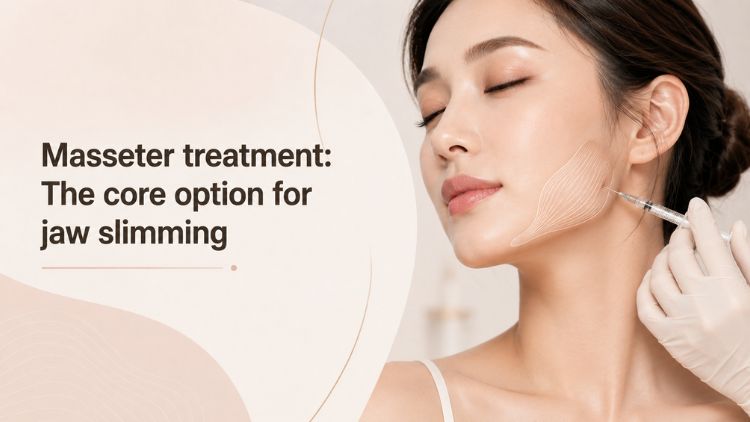
Masseter treatment: The core option for jaw slimming
Masseter treatment may suit patients whose lower face looks wider because of strong jaw muscles. This clinician-led option focuses on gradually relaxing the masseter area, which may soften a square lower face and support a more tapered jawline when muscle bulk is the main cause.
Masseter muscles sit along the back of the jawline. They help you chew and can become more prominent through genetics, clenching, teeth grinding or strong chewing patterns. When these muscles are enlarged, the lower face may look square, heavy or wider from the front.
This is different from facial width caused by bone structure, facial fat or skin laxity. A careful assessment helps us understand whether the masseter is the main contributor or whether another treatment would be more appropriate.
How masseter injections can create a slimmer jawline
Masseter injections work gradually. The aim is to reduce overactivity in the jaw muscle, which can help the muscle soften over time. When the masseter becomes less bulky, the lower face may appear more tapered.
This is not an immediate contouring change. Many patients notice functional changes, such as reduced tension, before visible facial slimming becomes clearer. Visible changes are often assessed around 4 to 8 weeks, although timing varies between patients.
Results should remain natural-looking. A careful plan avoids over-treating the lower face, because the goal is balance, jaw comfort and facial harmony.
Who is a good candidate?
This option may suit you if your face looks square at the jaw, especially when you clench your teeth and the muscle becomes more visible. It may also suit patients who grind or clench and want to discuss whether the same concern is affecting both comfort and facial shape.
It may not be the right first step if your lower face concern is mainly caused by bone width, facial fat, skin laxity or a recessed chin. In those cases, we may discuss another form of non surgical face slimming or a combination plan.
If jaw tension or grinding is part of your concern, you may want to read more about botulinum toxin for jaw clenching Melbourne. This gives more context on the functional side of masseter-related treatment.
What to expect in terms of results, timeline and maintenance
Masseter-related facial slimming usually develops gradually over several weeks. Many patients review their result around the 4 to 8 week mark, because this allows time for muscle activity and visible contour to change.
The effect often lasts around 4 to 6 months at first. Some patients may notice longer intervals with repeat treatment, but this depends on muscle strength, clenching habits, metabolism and the treatment plan recommended after review.
Possible side effects can include temporary tenderness, bruising, asymmetry or changes in chewing strength. These risks are discussed during consultation, so you can understand the benefits, limits and aftercare before deciding.
For a deeper look at treatment timelines and outcome variability, see facial slimming botulinum toxin results Melbourne.
Masseter muscle relaxation treatment for a slimmer jawline
Beyond the jaw: Using dermal fillers to contour the full face
Facial slimming is often about proportion, not only reducing width. Dermal fillers may support a more balanced lower face when the chin is recessed, the jawline lacks definition or the facial profile needs structural support rather than muscle reduction.
A face can look wider when the chin is short or set back. This happens because the lower face lacks forward or vertical balance. In this situation, making the jaw smaller may not create the most natural-looking result.
Face sculpting Melbourne patients often ask for sharper definition. However, the most suitable option depends on whether the concern is muscle bulk, structure, skin laxity or a combination of these factors.
Chin filler for improved facial profile balance
Chin filler may help create a more balanced lower face by supporting projection and shape. A slightly better-supported chin can make the face look more proportionate from the front and side.
This does not mean every patient needs chin filler. It may be considered when a recessed chin contributes to a rounder or wider-looking lower face. A consultation helps us assess whether chin support would suit your anatomy and goals.
The aim is not to create a dramatic change. TAEGA focuses on balanced, natural-looking treatment planning that respects your existing facial features.
Jawline filler for improved contour and definition
jawline fillers Melbourne may suit patients who want more structure along the lower face, especially when the jawline border looks soft or interrupted. This option can help define the transition between the face and neck when volume support is appropriate.
Jawline filler is different from jaw slimming. It does not reduce a large masseter muscle. Instead, it can improve the appearance of shape and definition where structural support is lacking.
Possible side effects may include swelling, bruising, tenderness or small lumps. These are discussed before treatment, along with suitability, product choice and aftercare.
How fillers and masseter treatment can work together
A combination plan may benefit some patients. For example, masseter treatment may help soften lower-face width, while chin or jawline filler may support structure and profile balance.
This can be useful for patients seeking a more tapered appearance or a v shape jawline effect without surgery. However, combination treatment should be planned carefully. Additional treatment does not guarantee better results.

Dermal filler mapping for balanced facial contouring results
Skin laxity and facial lifting: When tightening is part of the solution
Skin laxity can make the lower face look wider, heavier or less defined. When tissue support changes around the jowls, jawline or neck, lifting and tightening options may be more appropriate than muscle reduction or filler-based contouring alone.
This is common when the concern is not a square jaw, but a softer jawline border. You may notice shadowing around the jowls, less separation between the face and neck, or a lower face that looks heavier than before.
In this situation, face contouring non surgical planning may include energy-based tightening or a neck-jawline treatment approach. The goal is to support definition by improving tissue position and skin quality over time.
HIFU and Ultraformer MPT for lower face lifting
HIFU refers to a treatment called high-intensity focused ultrasound. It uses focused ultrasound energy to support deeper tissue tightening, with changes that usually develop gradually as collagen remodelling occurs.
Ultraformer MPT is one HIFU technology used for lifting and tightening concerns. It can be considered for the lower face, jawline and under-chin area when skin laxity is part of the concern. You can read more about Ultraformer MPT for ageing skin if you want to understand the technology in more detail.
This option is not a fat-reduction treatment and does not reduce masseter muscle size. It is better understood as a skin tightening and tissue support option. Some redness, tenderness or sensitivity may occur after treatment, and results vary between patients.
The Nefertiti Lift and the neck-jawline junction
A Nefertiti Lift focuses on the muscles around the lower face and neck. It may help soften downward pull along the jawline and support a clearer jaw-to-neck transition in suitable patients.
This option is often discussed when the concern sits around the neck-jawline junction, rather than the back of the jaw. It may be considered alongside skin tightening or jawline support, depending on anatomy.
Suitability is important because neck anatomy, muscle activity and skin quality vary. We discuss expected changes, possible risks and whether this approach suits your goals before making a recommendation.

Skin tightening treatment targeting lower face laxity improvement
What facial slimming treatment is right for you?
The right facial slimming treatment depends on the reason your face looks wider or less defined. A consultation helps separate muscle bulk, structural imbalance, skin laxity and facial proportions, so your plan is based on anatomy rather than a one-size-fits-all trend.
Use this guide as a starting point, not a diagnosis:
Your concern | Possible cause | Option we may discuss |
Face looks square at the jaw | Enlarged masseter muscle | Masseter treatment |
Soft or undefined jawline appearance | Lack of structure or support | Jawline filler |
Chin looks recessed | Lower-face proportions are out of balance | Chin filler |
Jowls or lower face look heavy | Skin laxity or tissue descent | HIFU, Ultraformer MPT or Nefertiti Lift |
You want a more complete non-surgical result | Multiple causes | Combination treatment plan |
If your face looks square or heavy at the jaw, masseter treatment may be the first area to assess. This is especially relevant if clenching or grinding is also present.
If your jawline lacks definition or your chin is recessed, fillers may provide better proportion and support. This is where non surgical face slimming often becomes more about shaping than reducing.
If your lower face looks saggy or less lifted, HIFU or a Nefertiti Lift may be considered. These options target tissue support rather than facial volume or muscle size.
If you want the most complete result, a combination plan may be discussed. This does not mean everything is done at once. A staged plan often gives the practitioner time to assess how your face responds.

Comparison table of facial slimming treatment options
What to expect at your facial slimming consultation at TAEGA
A facial slimming consultation at TAEGA focuses on assessment before treatment. We look at your face shape, muscle activity, skin quality, chin and jawline proportions, previous treatment history and personal goals before explaining which options may suit you.
Your practitioner may ask you to clench your jaw, relax your face and turn to different angles. This helps identify whether width comes from the masseter muscle, structure, skin laxity or a mix of factors.
We will also discuss what you want to change and what you want to preserve. This matters because face sculpting Melbourne treatments should support your natural features, not create a standardised look.
During your consultation, you can expect discussion around:
- Your main lower-face concern
- Whether you clench, grind or experience jaw tension
- Your previous injectable, filler or device-based treatments
- Any dental work, medical conditions or medications
- Expected timing, maintenance and aftercare
- Potential risks, discomfort, swelling or bruising
Some treatments may be performed on the same day if you are suitable and feel comfortable proceeding. Others may be scheduled for a later visit, especially when staged planning is more appropriate.
Frequently asked questions about facial slimming treatment
Here are some common questions about facial slimming treatment and how it works:
How long does facial slimming treatment last?
Duration depends on the treatment type and your individual response. Masseter-related treatment often lasts around 4 to 6 months at first. Filler-based contouring and energy-based tightening follow different timelines. During consultation, we explain expected maintenance based on your anatomy, treatment choice and goals.
Is facial slimming painful?
Most facial slimming treatments involve mild to moderate discomfort rather than significant pain. Fine needles, careful technique and comfort options may be used for injectable treatments. Device-based treatments can feel warm, prickly or tender. We explain what you may feel before treatment so you can decide confidently.
Can facial slimming treatment help with jaw clenching?
Masseter-focused treatment may help some patients who clench or grind by reducing overactivity in the jaw muscle. This can have both functional and aesthetic relevance when the same muscle contributes to tension and lower-face width. A practitioner needs to assess whether your symptoms are suitable for this approach.
How many sessions do I need for visible facial slimming results?
Some patients need one planned treatment and a review, while others benefit from staged sessions. Masseter changes are often reviewed around 4 to 8 weeks. Structural or skin tightening concerns may require a different schedule. The number of sessions depends on your starting point and treatment combination.
Is HIFU or masseter treatment better for facial slimming?
HIFU and masseter treatment address different causes. HIFU supports skin tightening and tissue lift when laxity affects the lower face. Masseter treatment focuses on jaw muscle bulk. Neither treatment is automatically better. The right choice depends on what is causing the width or softness.
Can I combine facial slimming treatments at TAEGA?
Yes, combination treatment may be suitable when more than one factor affects facial shape. For example, a plan may address masseter bulk, chin balance, jawline support or skin laxity in stages. TAEGA recommends combination treatment only when it suits your anatomy, goals and comfort level.
Is non-surgical facial slimming suitable for men?
Non-surgical facial slimming can be suitable for men, but the treatment goal may differ. Some men want less jaw tension without losing strong facial structure. Others want subtle lower-face definition. A consultation helps tailor the plan so the result still suits your natural facial proportions.

Patient asking doctor questions about facial slimming options
Conclusion
Facial slimming treatment works best when the cause of facial width or lower-face softness is properly assessed first.