
How Long Does Subcision Last?
Subcision is an effective treatment for improving your skin appearance, particularly when you are dealing with atrophic scars caused by acne or injury. But how long does subcision last? While the results can be impressive right after the treatment, many wonder if they can hold up and if they can be affected by any other factors. Find out in this article.
How Long Does Subcision Last?
A typical subcision session can last anywhere from 30 to 60 minutes, depending on the size and number of scars being treated. The first steps of the session will involve practitioners giving you anesthesia. Then, they will carefully target each scar to release the fibrous bands beneath the skin.
While the procedure is relatively quick, the time may vary depending on the severity of your condition.

Each subcision session can last from 20 minutes to an hour
Is Subcision Permanent?
Subcision does not provide permanent improvement for scars by releasing the underlying bands that tether the skin. Scars may not disappear entirely, and maintenance treatments may be needed for optimal results.
Instead, subcision results may last many years, if combined with proper aftercare and consistent skincare afterwards. The procedure works by breaking the fibrous bands beneath the skin, allowing it to lift and smooth over time thanks to the natural collagen produced by your body.

Subcision results can last for a few years but not permanent
Number of Subcision Sessions Needed
More often than not, multiple subcision sessions are needed to achieve the desired results for some severe cases. Usually, beauty clinics and doctors will inform you of an estimate of the number of required sessions during the initial consultation sessions.
Typical Subcision Treatment Plan
In fact, most patients require 3 to 5 subcision sessions to achieve their desired results, with each taking place 4–6 weeks apart to allow for collagen remodeling and healing.

Pre-treatment consultation is key
Factors Determining Session Count For Subcision
The number of sessions varies according to the scar pattern and individual treatment response. Factors considered during consultation may include: – Scar type, depth and degree of tethering – Number and location of scars – Skin condition and healing history – Response to previous sessions – Whether another treatment is being considered TAEGA’s guide to subcision treatment for atrophic scars explains which scar types may be assessed, how the procedure releases fibrous bands and what suitability factors should be reviewed before a treatment schedule is recommended.
- Scar depth and severity: Deeper and larger scars may require more sessions.
- Age and skin type: Younger skin tends to respond better to collagen stimulation so your clinics and doctors may schedule the sessions further apart from each other to allow healing.
- Combination treatments: As your skin heals from subcision, there may be a need for additional sessions to enhance the overall appearance of your skin. On the other hand, if your skin is healing well, additional sessions may not be needed.
Subcision Long-Term Results
Post-Treatment Collagen Remodeling
After Subcision, early swelling and bruising may settle before the final treatment response can be assessed. Tissue remodelling may continue after the initial recovery period, and the timing can vary according to scar structure, treatment extent and individual healing. TAEGA’s guide to the Subcision recovery and tissue-remodelling timeline explains how initial downtime differs from the gradual development of treatment-related changes.
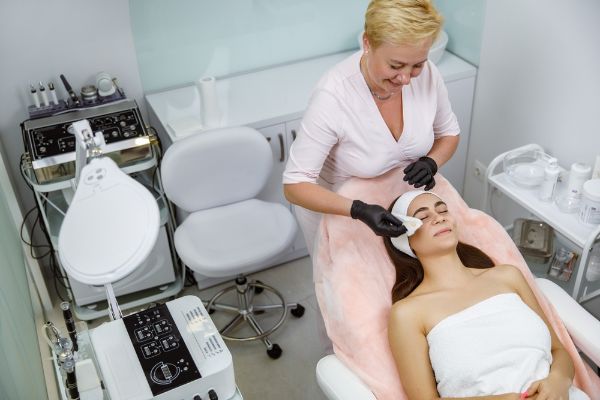
What to do to ensure long-term subcision results
Maintaining Subcision Results
Since the collagen-driven healing process can take a while to display obvious results, there are quite a few things you need to note:
- Stick to the treatment plans: As stated before, subcision will require multiple sessions, so make sure you adhere to the plan and follow instructions of your clinic.
- Follow aftercare instructions: Much like any other procedures, this is the most important step in the near future post-treatment. Keep the area clean, avoid excessive sun exposure, use gentle skincare products, and always ask your doctors before changing any product.
- – Consider whether another treatment is needed: Subcision addresses selected tethered scars beneath the skin, while Microneedling may be discussed for broader surface texture. TAEGA’s guide to when to combine Subcision with Microneedling explains how scar type, depth and treatment goals may influence the treatment plan.
- Maintain a healthy lifestyle: This includes reducing alcohol intake, cutting down on smoking, and other healthy habits that can protect your skin.
Duration of Subcision Results
The duration of subcision results depends on individual skin characteristics and adherence to aftercare. While the scar improvements are long-lasting, combining subcision with other rejuvenating treatments can maximize outcomes.