
HIFU for Cellulite: Non-Surgical Skin Tightening Solution
If stubborn cellulite keeps showing up no matter how much you work out or moisturize, it might be time to explore a smarter solution. HIFU for cellulite uses focused ultrasound energy to smooth, tighten, and firm the skin from within, giving you noticeably more even texture without surgery or downtime. Curious how it works? This guide breaks down everything you need to know about the treatment, what results to expect, and why more people are choosing HIFU for smoother-looking skin.
What Is HIFU for Cellulite and How Does It Work?
The science behind HIFU technology
High-Intensity Focused Ultrasound, or HIFU, is a non-invasive cosmetic treatment that uses concentrated ultrasound energy to penetrate deep into the skin layers. The ultrasound waves generate controlled heat in the dermis and subcutaneous tissue, stimulating the body’s natural healing response. This process triggers collagen and elastin production while helping to break down small pockets of fat responsible for uneven texture. Clinical studies have shown that HIFU can improve skin firmness and elasticity, making it a promising option for reducing the appearance of cellulite.
Unlike topical creams or surface-level treatments, HIFU targets structural layers beneath the skin, where cellulite originates. The increase in collagen density gradually lifts and tightens the treated area, leading to smoother, firmer skin over several weeks. Many professionals consider it a safe, effective, and science-backed approach to addressing cellulite and mild skin laxity without downtime or needles.
Why cellulite forms and why traditional methods fall short
Cellulite forms when fat deposits push through connective tissue under the skin, creating a dimpled or uneven surface. Factors like genetics, hormonal changes, reduced circulation, and loss of skin elasticity can all worsen its appearance. While common, cellulite is notoriously resistant to diet and exercise because it isn’t just fat, it’s also tied to how fibrous bands and skin layers interact.
Traditional methods like massage, creams, or even vigorous workouts may temporarily improve circulation or hydration but rarely address the structural cause. HIFU, on the other hand, penetrates deeper to remodel collagen and tighten the underlying tissue. This combination of skin renewal and fat breakdown makes HIFU a more advanced, non-invasive solution for those looking to reduce cellulite and enhance overall skin texture.
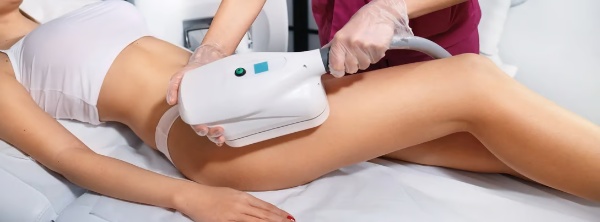
What is the HIFU treatment all about?
What Happens During a HIFU Treatment for Cellulite?
Step-by-step overview of the procedure
A typical HIFU cellulite session starts with a consultation to assess the treatment area and discuss goals. The practitioner then cleans and marks the targeted zones, usually on the thighs, buttocks, abdomen, or arms. A layer of ultrasound gel is applied to ensure effective energy transmission before the handheld HIFU device is moved methodically across the skin.
During the procedure, patients often feel a mild tingling or warming sensation as the ultrasound energy penetrates the deeper layers. This indicates collagen stimulation and tissue contraction in progress. Each session typically lasts between 30 and 90 minutes, depending on the size of the area treated. One of HIFU’s biggest advantages is that there’s no recovery time required—most people resume normal activities immediately afterward.
Key treatment areas and expected number of sessions
HIFU for cellulite may be discussed for body areas prone to dimpling, including the thighs, buttocks, abdomen and upper arms. However, abdominal cellulite and localised belly fullness are different concerns. People whose main concern is localised abdominal fat may need a separate assessment for HIFU for belly fat.
Results vary depending on skin condition and lifestyle, but multiple sessions may enhance the outcome. Many clients schedule one to three treatments spaced a few months apart to maintain smoother, more toned skin. Because HIFU supports ongoing collagen renewal, results can continue to improve for months after the last session.
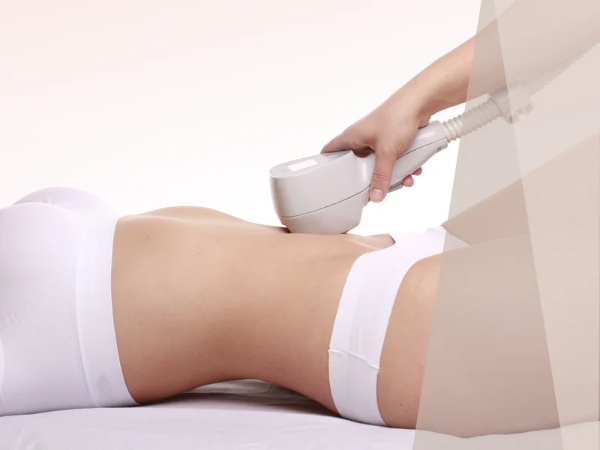
How does HIFU treatment work for cellulite?
Who Is an Ideal Candidate for HIFU Cellulite Treatment?
Best-suited clients
HIFU for cellulite is best suited for adults dealing with mild to moderate cellulite who prefer a non-invasive, low-maintenance solution. It’s particularly beneficial for those who maintain a healthy lifestyle but still notice stubborn dimples that diet and exercise can’t smooth out. Because HIFU works by tightening connective tissue and stimulating collagen deep beneath the skin, it’s ideal for people who want gradual, natural improvements without surgery or downtime.
Candidates often include individuals in their late 20s to 50s with good overall skin elasticity, as collagen regeneration plays a key role in the results. It’s also popular among people who want to tone specific areas like thighs, buttocks, or abdomen before major events or as part of a long-term body-contouring plan.
Who should consult first
While HIFU is generally safe and well-tolerated, some individuals should consult a qualified aesthetic professional before treatment. Those who are pregnant, breastfeeding, have metal implants or pacemakers, or suffer from severe skin laxity or open wounds in the treatment area should avoid HIFU until cleared by a medical expert.
A personalized consultation allows a practitioner to assess skin type, cellulite severity, and treatment goals. This ensures that HIFU settings are optimized for safety and effectiveness. Always choose a certified professional who uses medical-grade devices and follows proper treatment protocols.
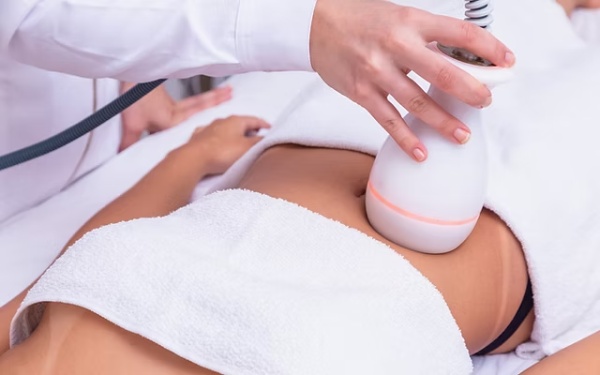
Who should choose HIFU for cellulite?
What Are the Benefits of Choosing HIFU for Cellulite?
Key advantages
One of the main reasons HIFU for cellulite has gained popularity is its ability to deliver visible improvements without invasive techniques. It’s a non-surgical, virtually painless treatment with no recovery time, allowing clients to return to daily activities immediately. Thanks to collagen stimulation and elastin production, HIFU gradually enhances firmness and elasticity, improving skin tone and reducing the uneven appearance of cellulite.
Unlike quick-fix creams or temporary massages, HIFU delivers long-lasting results that continue to improve over time. Many users notice a more sculpted, lifted appearance as collagen remodeling continues for up to six months after treatment. It also promotes better circulation and lymphatic drainage, contributing to overall skin health.
Combining HIFU with other treatments
To maximize results, HIFU can be combined with complementary treatments such as lymphatic drainage, radiofrequency (RF) therapy, or advanced body-sculpting facials. These approaches target different skin layers and circulation pathways, helping enhance overall toning and detoxification effects.
Maintaining results also depends on daily habits. Staying hydrated, following a balanced diet, and maintaining consistent exercise can help sustain skin firmness and minimize future cellulite formation. Pairing professional treatments with good lifestyle choices ensures smoother, more radiant skin for the long term.
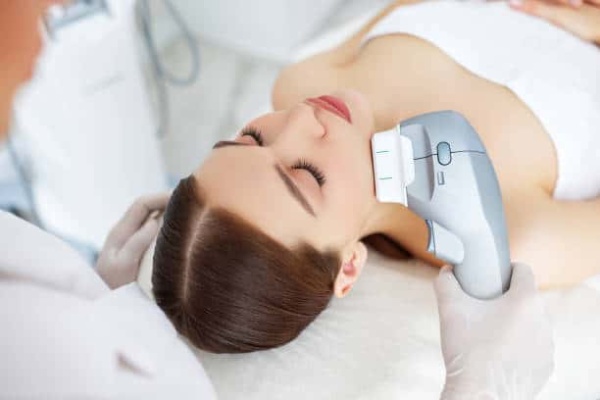
Benefits of the HIFU treatment
Is HIFU for Cellulite Safe?
HIFU for cellulite is considered a safe, clinically tested, and FDA-cleared treatment for skin tightening and body contouring. It has been widely used in dermatology and aesthetic medicine for over a decade with consistent safety outcomes. The focused ultrasound energy targets deep skin layers without damaging the surface, meaning there’s no cutting, scarring, or injection involved.
Most clients experience little to no discomfort during the procedure. At most, you may feel gentle warmth or a light tingling sensation while the energy penetrates the tissue. After treatment, some individuals might notice temporary redness, mild swelling, or tenderness around the treated area. These effects typically resolve within a few hours to a few days and do not require downtime.
While complications are rare, choosing a certified and experienced practitioner is essential. Proper technique ensures even energy delivery and reduces the risk of side effects like minor bruising or numbness. As with any cosmetic treatment, a personalized consultation helps determine if HIFU is appropriate for your skin type and cellulite level. When performed by trained professionals using approved equipment, HIFU offers an effective and safe solution for smoother, firmer skin.
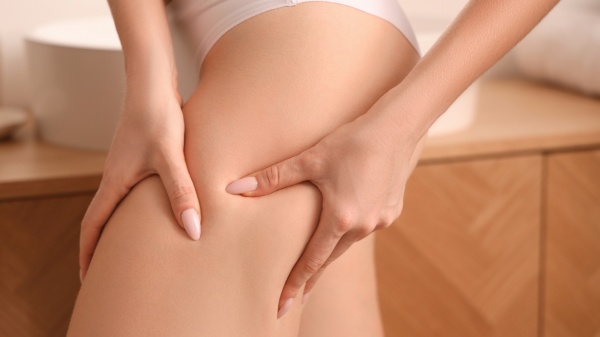
Is HIFU a safe choice?
FAQs About HIFU Cellulite Treatment
Does HIFU work for all types of cellulite?
HIFU works best for mild to moderate cellulite. Deeper or fibrotic dimples may require combination treatments like radiofrequency or microneedling for optimal results.
How long do HIFU results last?
Results usually last between 6 and 12 months, depending on individual factors like age, collagen production, and lifestyle habits.
Is HIFU painful?
Most clients describe the sensation as mild warmth or tingling. The treatment is well tolerated without the need for anesthesia.
Can I combine HIFU with other body treatments?
Yes. Many clinics combine HIFU with radiofrequency, lymphatic drainage, or massage therapies to maximize firmness and contouring benefits.
When will I see results?
Noticeable improvements typically begin within 4–6 weeks as collagen production increases, with optimal results visible around the 3-month mark.
Are there any risks?
Risks are minimal. Temporary redness, slight tenderness, or mild swelling may occur but resolve quickly without lasting effects.
How many sessions will I need?
Most clients achieve visible improvements after one to three sessions. The number of treatments depends on the area treated and desired firmness.
Final Thoughts: Why Try HIFU for Cellulite
HIFU for cellulite stands out as a non-invasive, clinically backed treatment that delivers real, gradual improvements in skin tone and texture. It tightens, smooths, and firms without surgery or downtime, making it ideal for those seeking natural-looking results. If you’re ready to tackle stubborn dimples and restore skin confidence, consult a qualified aesthetic professional.