
Laser Acne Scar Removal for Acne Scars and Uneven Texture
Laser acne scar removal may help soften the appearance of selected acne scars and uneven texture over time. The right plan depends on your scar type, skin tone, active breakouts, healing response and expectations. At TAEGA, consultation helps decide whether laser treatment is suitable or whether another approach should be considered first.
What can laser acne scar removal improve?
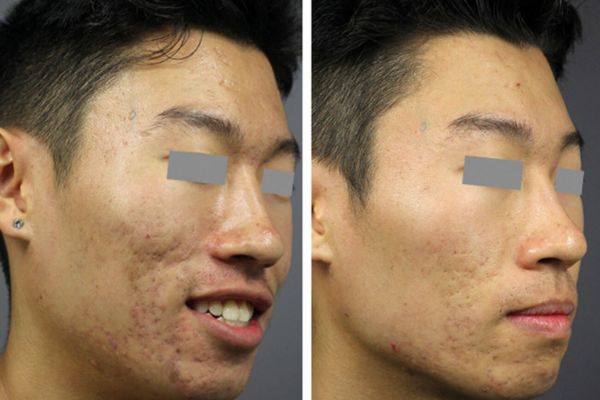
Laser acne scar removal may support smoother-looking skin texture by encouraging controlled skin renewal and collagen activity. It is usually considered when acne scars have left dents, uneven texture or visible changes in the skin surface after breakouts have settled.
This treatment does not erase every scar. The aim is usually to make scars look softer, shallower or less noticeable over time. Results vary because acne scars can differ in depth, shape, age and how your skin heals.
Laser acne scar removal may be discussed for:
- uneven skin texture after acne
- shallow atrophic scars
- selected boxcar or rolling scars
- post-acne roughness
- mixed scar texture
- skin that looks uneven under direct light
It may not be the first step if you still have active, inflamed acne. In that case, calming breakouts first may help reduce the chance of new scars forming before focusing on scar texture.
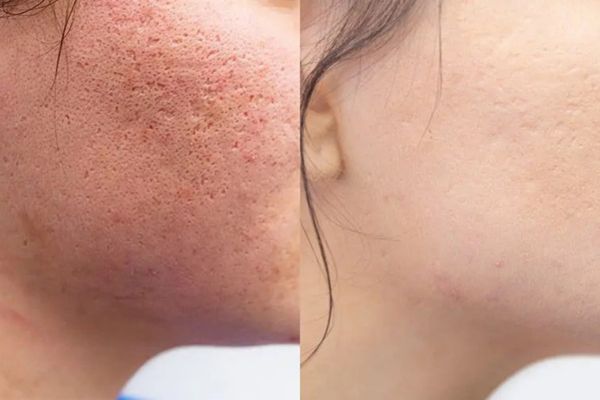
Acne scars, post-acne marks or active acne: which concern do you have?
Acne scars, post-acne marks and active acne can look similar at first, but they are not the same concern. Knowing the difference helps avoid choosing the wrong treatment.
| Concern | What it may look like | What may need assessment |
|---|---|---|
| True acne scars | Dents, pits, uneven texture or shadowing | Scar type, depth and skin healing |
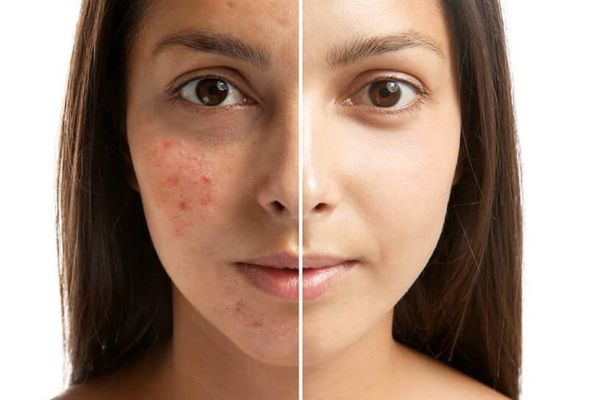
| Post-acne marks | Red, brown or dark marks after breakouts | Pigmentation, redness or inflammation |
| Active acne | Inflamed pimples, pustules or ongoing breakouts | Acne control before scar treatment |
| Mixed concerns | Texture plus marks or active spots | A staged plan may be needed |
Laser acne scar removal is usually most relevant when the main concern is texture. If your concern is mostly pigmentation, redness or active acne, The Aesthetic Group Australia may discuss a different first step.
Which acne scar types may respond to laser?
Different acne scars respond differently to laser treatment. A consultation helps identify the scar type and whether laser is suitable as a main treatment or part of a broader plan.
Shallow atrophic scars
Shallow atrophic scars sit closer to the skin surface. They may respond more predictably than deeper scars because less structural damage is involved. The goal is to support smoother texture and make the uneven areas less noticeable.
Boxcar scars
Boxcar scars often have defined edges and a small crater-like shape. Laser may help soften the edges and improve surface texture over time. Deeper boxcar scars may need more sessions or a combined approach.
Rolling scars
Rolling scars create a wave-like unevenness across the skin. They may look more obvious under side lighting. Laser may support texture refinement, but the response depends on how much tethering or deeper tissue involvement is present.
Deep or ice-pick scars
Deep narrow scars can be more difficult to improve with laser alone. They may need a different or combined treatment plan. During consultation, TAEGA can explain whether laser is appropriate or whether another option should be discussed first.
How Picofy and Q Mode may support acne scar treatment
Picofy and Q Mode may be used as part of an acne scar treatment plan when the goal is to support texture refinement and skin renewal. These laser technologies deliver controlled energy into the skin, and treatment settings are adjusted based on your skin type, scar pattern and sensitivity.
The aim is not to create an overnight change. Laser-based acne scar treatment works gradually because the skin needs time to respond, recover and remodel. This is why treatment plans are often spaced over several sessions rather than completed in one visit.
Picofy and Q Mode may be considered when:
- texture and pigmentation concerns are both present
- the skin needs a controlled laser approach
- scars are mild to moderate and suitable for laser assessment
- the treatment plan needs to be adjusted for skin sensitivity
- aftercare and sun protection can be followed carefully
The exact device or setting should be chosen after skin assessment, not just by treatment name.

Key reasons Picofy and QMode support effective scar care
Who may be suitable for laser acne scar removal?
Laser acne scar removal may be suitable if your breakouts are mostly stable and your main concern is acne scar texture. It may also suit people who want a gradual treatment plan rather than a more invasive procedure.
You may be a suitable candidate if:
- your acne scars are established rather than newly inflamed
- your active acne is under control
- you have texture concerns such as pits, dents or uneven skin
- you understand that several sessions may be needed
- you can follow aftercare and sun protection
- your skin type can be treated with appropriate settings
Laser may not be suitable right away if you have active infection, severe inflammation, recent sunburn, certain medical conditions or a history of poor healing. Some medications or skincare ingredients may also need to be reviewed before treatment.
What happens during a laser acne scar removal session?
A laser acne scar removal session usually starts with skin cleansing and assessment. Your practitioner checks the scar pattern, skin sensitivity and any active breakouts before deciding whether treatment should proceed that day.
Before treatment, the skin may be cleaned and prepared. A numbing cream may be applied depending on the treatment plan, comfort level and area treated. Your practitioner will explain what sensations to expect before the laser begins.
During treatment, controlled laser energy is passed across the selected areas. Some people describe the sensation as warmth, tingling or small snapping feelings on the skin. The level of discomfort varies depending on the laser settings, treatment area and personal sensitivity.
After treatment, your skin may feel warm, red or more sensitive than usual. TAEGA will explain aftercare before you leave, including what to avoid and when to contact the clinic if something feels unusual.
How many sessions may be needed?
Most acne scar laser plans involve more than one session. The number depends on scar depth, scar type, skin response, treatment intensity and how your skin heals between appointments.
Milder texture concerns may need fewer sessions. Deeper or more widespread scars may need a longer plan and may not respond fully to laser alone. Your practitioner should explain this early so your expectations are realistic.
A treatment plan may consider:
- scar depth
- scar age
- skin tone
- sensitivity
- active acne history
- previous scar treatments
- aftercare habits
- expected downtime
Because collagen-related changes take time, results usually build gradually. It is normal for the skin to need weeks between sessions to recover and respond.
Downtime, aftercare and possible reactions
Downtime after laser acne scar removal varies depending on the laser settings, treatment area and skin sensitivity. Some people may only notice mild redness or warmth, while others may experience more visible dryness, flaking or temporary sensitivity.
Possible short-term reactions include:
- redness
- warmth
- swelling
- dryness
- mild flaking
- temporary darkening of marks
- sensitivity to skincare or sunlight
Aftercare is important because treated skin can be more reactive. You may be advised to keep your routine simple, avoid harsh exfoliants or retinoids for a short period, use moisturiser and protect your skin from direct sun exposure.
Contact TAEGA if you notice pain that feels unusual, worsening swelling, blistering, signs of infection, or pigmentation changes that concern you.
When laser may not be enough on its own
Laser may not be enough on its own when scars are deep, tethered or mixed with other concerns. Some acne scars involve deeper structural changes beneath the surface, so a combined plan may be more appropriate.
A different or combined approach may be discussed if:
- scars are very deep or narrow
- rolling scars are strongly tethered
- active acne is still present
- pigmentation is the main concern
- skin laxity or volume loss affects texture
- previous laser treatments gave limited improvement
This does not mean laser is not useful. It means the treatment plan should match the type of scar. A careful consultation helps decide whether laser should be the main treatment, a supporting treatment or delayed until the skin is more stable.
FAQs about laser acne scar removal
Does laser acne scar removal work?
Laser acne scar removal may help soften the appearance of selected acne scars and improve uneven texture over time. It works best when the scar type, skin condition and treatment settings are properly assessed. Results vary, and deeper scars may need multiple sessions or a combined plan.
Can laser completely remove acne scars?
Complete removal is not always realistic. Most laser acne scar treatments aim to make scars less noticeable, smoother or softer in appearance. Some scars improve more than others depending on depth, shape, age and skin healing. A consultation helps set realistic expectations.
How soon will I see results?
Some early skin changes may appear after the skin settles, but acne scar improvement usually develops gradually. Collagen-related changes take time, and clearer improvement may appear over several weeks or months. The exact timing depends on your treatment plan and skin response.
Is laser acne scar removal painful?
Comfort varies from person to person. Some people describe laser treatment as warm, prickly or mildly uncomfortable. Numbing cream may be used when appropriate. Your practitioner will explain comfort options and what to expect before treatment starts.
Can laser be done if I still have acne?
Active acne may need to be managed before scar-focused laser treatment. Treating inflamed breakouts first can reduce irritation and help prevent new scars. TAEGA can assess whether your skin is stable enough for laser acne scar removal or whether another first step is needed.
Is laser acne scar removal suitable for all skin types?
Laser may be suitable for many skin types when settings are chosen carefully, but assessment is important. Some skin tones or conditions may have a higher risk of pigmentation changes or irritation. TAEGA will assess your skin before recommending treatment.
Talk to TAEGA about acne scar treatment
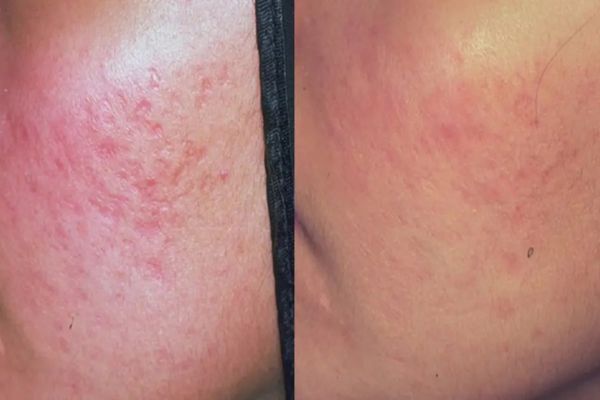
If acne scars, uneven texture or post-acne marks are affecting how your skin looks, TAEGA can assess your scar type, skin condition and treatment goals. A consultation helps you understand whether laser acne scar removal is suitable, what results may be realistic and what aftercare you may need.