
Sculptra Face: Natural-Looking Volume and Skin Tightening Explained
Sculptra face treatments are unlike traditional fillers that give instant volume, it works by stimulating your skin’s own collagen production, helping to smooth lines and lift areas that have lost fullness over time. Thanks to this, you can enjoy subtle enhancements or long-lasting results and decide if it is the right choice for you.
What is Sculptra Face and How Does it Work?
How the treatment works
Sculptra face treatment uses poly-L-lactic acid (PLLA), a biocompatible material that has been safely used in medicine for decades. Instead of filling lines immediately like hyaluronic acid fillers, Sculptra works beneath the skin to gradually stimulate your body’s own collagen production. Over time, this natural collagen rebuilds structure and restores lost volume, creating smoother, firmer, and more youthful-looking skin. Think of it less as a quick fix and more as a way to encourage your skin to renew itself.
Why people choose Sculptra face over instant fillers
Sculptra may appeal to people who prefer gradual, subtle changes rather than early filling support. Those deciding between this approach and a hybrid treatment with a more visible initial effect can read TAEGA’s Sculptra and HarmonyCa comparison before discussing suitability.
How is face filler Sculptra different from other treatments?
The key difference with Sculptra face treatment is that changes develop by supporting your skin’s collagen production rather than creating immediate volume alone. To explore how this approach differs from other collagen-supporting injectables, you can compare Sculptra with Ellansé and Gouri before discussing suitability.

An introduction to Sculptra treatment for face
Who is the Right Candidate for Sculptra Face?
Common concerns it helps with (hollow cheeks, sagging, deep folds)
Sculptra face injections are often chosen by people who notice hollow cheeks, sagging skin, or deep smile lines around the nose and mouth. It can also soften the look of sunken temples and improve overall facial contours, making it a versatile choice for addressing age-related volume loss.
Age range and lifestyle factors that make Sculptra a good option
The best candidates are usually in their 30s to 60s, when natural collagen production slows and skin begins to lose elasticity. People who live a healthy lifestyle, protect their skin from sun damage, and maintain consistent skincare routines often see the best and longest-lasting results. It is also a great option for those who prefer subtle, progressive changes and are patient enough to go through the entire process.
When Sculptra may not be suitable
Sculptra face treatment is not for everyone, so it is not recommended for people with a history of keloid scarring, autoimmune conditions that affect healing, or those who want instant results. If you are looking for immediate plumping, a traditional filler may be a better fit. A qualified practitioner can help assess whether Sculptra aligns with your goals and health profile.
What Results Can You Expect from Sculptra for the Face?
When will you see results after treatment?
Patience is key with Sculptra. Most people start noticing subtle improvements after a few weeks, with more visible changes appearing at the three-month mark as collagen builds up. The gradual pace means your appearance improves in a natural way rather than overnight.
How long do the effects of Sculptra face lifting last?
One of the biggest advantages of Sculptra is its longevity. While most fillers last around six to twelve months, Sculptra results can last up to two years or even longer for some patients. Maintenance sessions every year or so can help keep the benefits going strong.
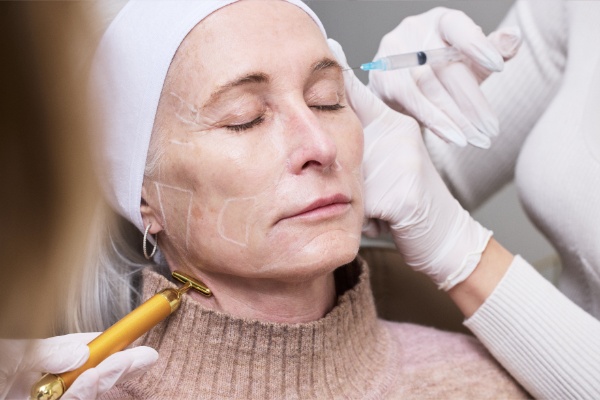
Sculptra face results can be quite effective
Does Sculptra Lift the Face or Just Add Volume?
The “liquid facelift” effect
Sculptra face treatment is often nicknamed a “liquid facelift” because it goes beyond adding simple volume. It gradually restores firmness and structure to the skin. This “lifting” effect happens naturally as your own tissues strengthen and rebuild, giving the face a subtle but noticeable refreshed look without surgery.
How Sculptra supports sagging areas over time
With age, skin loses elasticity and fat pads shift, leading to sagging. Sculptra helps address this by thickening the skin and providing structural support from within. Areas like the cheeks, jawline, and nasolabial folds appear firmer as collagen production increases, which in turn helps the face look lifted and more youthful over time.
Sculptra for facelift vs. surgical options – what should be your option?
It is important to understand that while Sculptra face lifting can create a firmer, smoother look, it cannot replace the dramatic results of a surgical facelift. Instead, it is ideal for people who want gradual, non-surgical improvements without the downtime or cost of surgery. It is best thought of as a minimally invasive option for those not ready or don’t require surgery.
Is Sculptra Face Safe and Are There Side Effects?
Proven safety record and FDA approvals
Sculptra has been FDA-approved since 2004, originally for treating facial volume loss in people with HIV and later expanded for cosmetic use. The active ingredient, poly-L-lactic acid, has been used safely in medical products for quite some time as well.
Common side effects you may notice short-term
That said, side effects are part of the procedure. Most side effects are mild and temporary, such as swelling, redness, bruising, or tenderness at the injection site. These usually resolve within a few days. Small lumps under the skin can occur but typically fade as the product integrates and collagen develops. Following aftercare instructions from your provider can help minimize these effects.
Does Sculptra cause pillow face?
A common worry is whether Sculptra will cause an overfilled or “pillow face” look. The reality is that Sculptra’s gradual collagen-building process makes this unlikely when the treatment is performed correctly. Pillow face is more commonly associated with excessive use of hyaluronic acid fillers. With Sculptra, results are subtle, progressive, and focused on restoring balance rather than creating puffiness.

What to note when using the Sculptra face treatment
How to Make the Most of Your Sculptra Face Treatment
Aftercare tips for longer-lasting results
Your provider may recommend massaging the treated area for five minutes, five times a day, for the first five days after injections. This helps the product distribute evenly. Avoid strenuous exercise, alcohol, and direct sun exposure immediately after treatment to support healing.
Lifestyle and skincare habits that boost collagen
To maximize results, maintain a balanced diet, stay hydrated, and use daily sunscreen to protect your skin from UV damage. Incorporating skincare products that support collagen, such as those with retinol or vitamin C, may also complement your Sculptra treatment.
When to schedule touch-ups
Most people need a series of two to three sessions spaced a few months apart for best results. After that, a touch-up every 12 to 24 months can help maintain collagen levels and keep your refreshed look going strong.
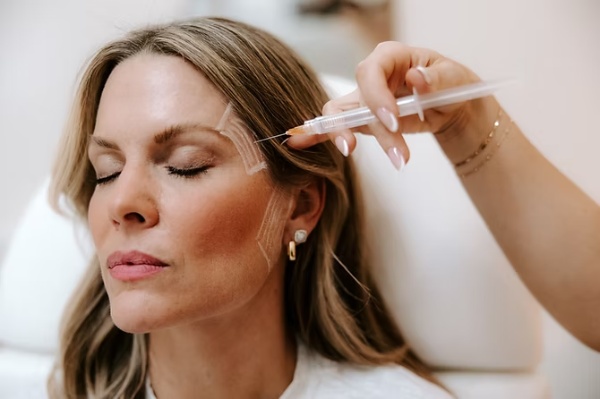
Extra tips for Sculptra patients
FAQs About Sculptra Face
How long does Sculptra last in the face?
Results generally last up to two years, sometimes longer, depending on factors like age, lifestyle, and skincare habits.
Is Sculptra better than traditional fillers?
Neither is universally “better.” Sculptra is great for gradual, natural improvements that last longer, while traditional fillers offer immediate results that may require more frequent maintenance.
Does Sculptra face lifting work for jowls and jawline?
Yes, Sculptra can improve the appearance of jowls and define the jawline by stimulating collagen in these areas, though results are subtle and progressive.
Can Sculptra be combined with other treatments?
Absolutely. Many providers combine Sculptra with treatments like hyaluronic acid fillers or skin resurfacing for a more comprehensive result, but it may not work for you, so always check in with your doctor before undergoing any additional treatment.
How many vials of Sculptra are typically needed for the face?
On average, most people need two to four vials spread over several sessions. The exact number depends on your age, skin condition, and goals.
What is the difference between Sculptra for facelift and hyaluronic acid fillers?
Sculptra stimulates collagen for long-lasting, gradual changes, while hyaluronic acid fillers provide immediate volume that fades within six to twelve months. Many people choose Sculptra for its natural, subtle effect and longer duration.
Final Thoughts: Is Sculptra Face Right for You?
Sculptra face treatment is an excellent option if you are looking for natural, gradual, and long-lasting results for the sensitive skin on your face. It does a great job restoring structure, softening lines, and subtly lifting areas that have lost volume over time. The results may not appear overnight, but they are designed to blend seamlessly with your natural features, helping you look refreshed and natural. If you are curious about whether Sculptra is the right fit, booking a consultation with a qualified provider is the best next step.