
Sunekos vs Gouri: Comparing the Best Treatments for Skin Rejuvenation
Sunekos vs Gouri compares two skin booster treatments often used to support skin rejuvenation and improve overall skin appearance. Each treatment works with different ingredients and mechanisms that may target hydration, elasticity, or collagen stimulation. Let’s explore the key differences and how these treatments may support various skin concerns!
Sunekos explained: What you should know
Sunekos is often mentioned among modern skin booster treatments designed to support overall skin quality and skin rejuvenation. Understanding its composition and mechanism helps explain why it is widely used in aesthetic practice.
Basic information
Sunekos vs Gouri is a comparison often discussed when exploring injectable treatments that focus on skin quality rather than volume enhancement. Sunekos itself is a skin booster developed to support natural skin regeneration through targeted nutrient delivery. The treatment focuses on improving skin health at a cellular level rather than simply filling wrinkles.
This injectable formulation combines hyaluronic acid with a patented blend of amino acids. Together, these components help create an environment that supports the skin’s natural repair processes. As a result, the treatment is commonly used to enhance overall skin condition and elasticity.
How this treatments works
Sunekos works by supporting fibroblast activity within the dermis. Fibroblasts are key cells responsible for maintaining the structural components of the skin. When stimulated, they contribute to the production of collagen and elastin.
Through this mechanism, the treatment focuses on improving skin texture and elasticity over time. Rather than producing instant volumizing effects, it aims to gradually enhance skin quality. This approach makes it suitable for individuals seeking subtle and natural-looking improvements.
Main benefits
One of the main benefits of Sunekos is its ability to improve skin hydration. Hyaluronic acid helps attract and retain moisture, which can support smoother and healthier-looking skin. At the same time, the amino acid complex contributes to structural skin support.
The treatment may also help reduce fine lines and early signs of aging by supporting collagen and elastin synthesis. It is frequently used for delicate areas such as the under-eye region where the skin is thinner. These characteristics are often considered when comparing Sunekos vs Gouri as options for skin rejuvenation treatments.

Important details about modern injectable skin rejuvenation options
Introduction to Gouri Collagen Stimulator
Gouri is often described as an injectable treatment developed to stimulate collagen production and support overall skin rejuvenation. Understanding its formulation and how it works can help explain why it is increasingly used in modern aesthetic treatments that focus on improving skin quality rather than simply adding volume.
Overview
Sunekos vs Gouri is a comparison frequently discussed when evaluating injectable treatments that focus on improving skin quality and stimulating natural regeneration. Gouri itself is known as an injectable collagen stimulator designed to support gradual improvement in skin structure and appearance. Instead of acting like a traditional filler, the treatment works by encouraging the skin to rebuild its own supportive components over time.
The formulation of Gouri is based on liquid PCL (polycaprolactone), a biodegradable material widely used in aesthetic medicine for collagen stimulation. When injected into the skin, this substance gradually interacts with surrounding tissue to encourage collagen production. Because of this mechanism, the treatment is often considered for individuals seeking long-term skin improvement rather than immediate volumizing results.
How Gouri works
Gouri works by gradually stimulating collagen production within the deeper layers of the skin, highlighting its role as a collagen stimulator vs filler in aesthetic treatments. Rather than creating an instant filling effect, the treatment focuses on activating biological processes that contribute to stronger and healthier skin over time. This gradual mechanism allows the skin to improve in a subtle and progressive way.
The treatment is designed for full-face rejuvenation, meaning it can support improvements across multiple areas rather than targeting only a single wrinkle or fold. As collagen production increases, the skin may appear firmer, smoother, and more elastic. This process helps enhance overall skin quality while maintaining natural facial expressions.
Key benefits
One of the key benefits of Gouri is its potential to improve skin firmness through collagen stimulation that occurs gradually after treatment. As the skin produces more collagen, it may develop better structural support and a smoother appearance. This effect can contribute to a healthier and more refreshed look without dramatically altering facial volume.
The treatment may also help improve skin texture and elasticity while supporting overall facial rejuvenation over time. Because the collagen stimulation process occurs gradually, results tend to develop naturally as the skin’s internal structure becomes stronger. These characteristics are often considered when comparing Sunekos vs Gouri as options for individuals exploring injectable treatments that aim to improve long-term skin quality.

Overview of injectable collagen-focused rejuvenation methods
Sunekos vs Gouri: Key distinctions explained
When comparing modern skin rejuvenation treatments, Sunekos and Gouri are often mentioned as two injectable options designed to improve skin quality in different ways. Understanding their key differences can help clarify how each treatment works and which option may be more suitable depending on individual skin concerns.
Main ingredients
When discussing Sunekos vs Gouri, one of the most important differences lies in the main ingredients used in each formulation and how these substances interact with the skin. Sunekos combines hyaluronic acid with a specific blend of amino acids designed to support skin regeneration and hydration. This formulation focuses on delivering nutrients that help maintain skin balance and structural support.
Gouri, in contrast, is formulated with liquid polycaprolactone (PCL), a biodegradable material commonly used for collagen stimulation in aesthetic medicine. Instead of focusing on hydration, this ingredient works by encouraging the skin to gradually produce more collagen. Because of this difference, the two treatments follow distinct biological pathways to improve skin appearance.
Mechanism of action
The mechanism of action for Sunekos is centered on supporting fibroblast activity within the dermal layer of the skin. Fibroblasts are responsible for producing essential structural proteins such as collagen and elastin. By supporting these cells, the treatment helps maintain skin elasticity and improve overall skin quality.
Gouri works through a different biological process known as collagen biostimulation. After injection, the PCL component gradually interacts with surrounding tissue to stimulate collagen production over time. This process aims to strengthen the skin’s internal structure and improve firmness gradually.
Treatment goals
Another key distinction between the two treatments can be seen in their primary treatment goals. In many discussions about Sunekos vs Gouri, Sunekos is often associated with improving hydration and enhancing overall skin quality. The treatment aims to restore moisture balance while supporting healthier and smoother skin texture.
Gouri, on the other hand, focuses more strongly on stimulating collagen production to address skin laxity and firmness. As collagen levels increase, the skin may appear tighter and more structured. This approach is typically used to support broader facial rejuvenation rather than focusing mainly on hydration.
Treatment areas
Sunekos is commonly used across multiple treatment areas because of its gentle formulation and hydrating properties. Practitioners often apply it to the face, neck, and delicate areas such as the under-eye region. These zones benefit from treatments that improve skin quality without adding excessive volume.
Gouri is generally designed for full-face rejuvenation rather than targeting very small or delicate areas. The treatment is typically applied across larger facial regions to support overall collagen stimulation. This approach helps promote balanced improvement in skin firmness and texture.
Treatment sessions
The treatment schedules for these two options can also differ depending on how each formula works within the skin. When considering Sunekos vs Gouri, Sunekos usually requires a series of multiple sessions performed over several weeks to support progressive skin improvement. This staged approach allows the skin to gradually respond to the combination of hyaluronic acid and amino acids.
Gouri treatments often involve fewer sessions depending on the treatment plan recommended by the practitioner. Because collagen stimulation develops progressively after injection, visible changes may continue to appear even after the initial procedure. This means treatment intervals can sometimes be longer compared with hydration-focused injectables.
Results timeline
The timeline for visible results can vary because the treatments work through different biological processes. Sunekos often produces gradual improvements in skin hydration, smoothness, and texture as the skin absorbs the nourishing components. Patients may notice that the skin appears more refreshed and balanced over time.
Gouri results tend to develop more slowly because collagen production takes time to increase after stimulation. As new collagen fibers form, the skin may gradually appear firmer and more resilient. This progressive improvement contributes to a natural-looking rejuvenation effect.
Ideal candidates
The ideal candidates for Sunekos are often individuals experiencing mild aging signs or skin dehydration. People who notice early fine lines, dullness, or reduced skin vitality may benefit from treatments that focus on hydration and skin quality support. This makes the treatment suitable for maintaining youthful skin appearance.
For individuals comparing Sunekos vs Gouri, Gouri is frequently considered for those experiencing more noticeable loss of elasticity and skin firmness. Candidates often include people seeking treatments that stimulate collagen and improve structural support within the skin. Because of this focus, the treatment is commonly associated with broader facial rejuvenation goals.
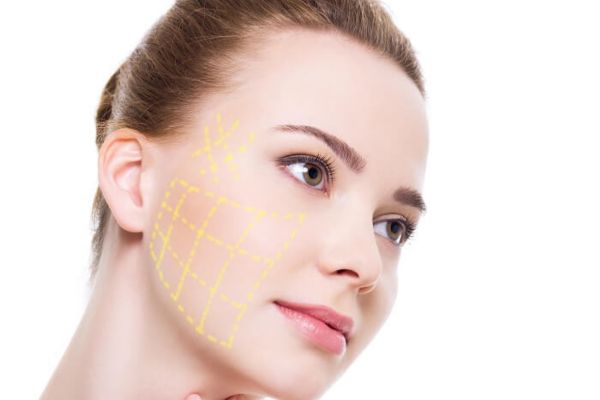
Important differences between various injectable rejuvenation options
Sunekos vs Gouri: Quick treatment comparison table
The table below summarizes several important characteristics of these two injectable treatments. It highlights differences in ingredients, treatment mechanisms, goals, and typical treatment plans.
Feature | Sunekos | Gouri |
Main ingredient | Hyaluronic acid + amino acids | Polycaprolactone (PCL) |
Mechanism | Fibroblast stimulation | Collagen biostimulation |
Main goal | Skin quality improvement | Skin firmness |
Treatment areas | Face, neck, under-eye | Full face |
Sessions | Multiple sessions | Fewer sessions |
When reviewing Sunekos vs Gouri, a comparison table can help clarify how each treatment differs in formulation, mechanism, and treatment approach. Sunekos mainly focuses on improving hydration and overall skin quality through fibroblast support. Gouri, in contrast, emphasizes collagen stimulation to gradually enhance skin firmness and structural support.

Side-by-side summary of differences in injectable options
Comparing Sunekos and Gouri: Which suits you?
Choosing between Sunekos and Gouri largely depends on your specific skin concerns and desired outcomes. Understanding which treatment aligns with different skin needs can help guide your decision for optimal results.
Sunekos
Sunekos may be ideal for individuals experiencing early signs of aging or skin dehydration. Common concerns include:
- Dehydrated skin
- Early aging signs
- Under-eye rejuvenation
When comparing Sunekos and Gouri, Sunekos works by supporting fibroblast activity and improving skin hydration. By nourishing the skin with hyaluronic acid and amino acids, Sunekos promotes smoother texture and subtle rejuvenation. Many practitioners recommend it for those who want gentle, natural-looking improvements without extensive volumizing.
Gouri
Gouri is more suitable for individuals with loss of skin elasticity or collagen depletion. Typical concerns include:
- Skin laxity
- Collagen loss
- Full-face rejuvenation
Through gradual collagen biostimulation, Gouri helps restore skin firmness and overall facial structure. This treatment is particularly effective for those seeking more structural improvements rather than hydration alone. By stimulating natural collagen production, it supports long-term rejuvenation and a more lifted appearance.

Guidance for selecting suitable aesthetic treatment approaches
Common reactions and temporary effects following treatment
Like any injectable treatment, Sunekos vs Gouri may cause some temporary reactions after the procedure. Common side effects include:
- Redness at the injection site
- Swelling or mild puffiness
- Minor bruising
- Minor discomfort following the injection
These reactions are usually mild and typically fade within a few days. Most patients find that proper aftercare and following the practitioner’s instructions can help minimize any discomfort. Understanding potential side effects helps set realistic expectations and ensures a safer treatment experience.

Possible mild side effects observed after injectable procedures
FAQs about the Sunekos vs Gouri
Thinking about which skin booster to choose? Here are the most common questions and answers to help you understand the differences and benefits of each treatment.
In what ways do Sunekos and Gouri differ?
Sunekos vs Gouri differs mainly in ingredients and mechanism of action. Sunekos combines hyaluronic acid with amino acids to hydrate and improve skin elasticity, while Gouri uses liquid PCL to stimulate collagen and firmness. Both aim for skin rejuvenation, but Sunekos is often preferred for delicate areas like under-eyes.
How regularly should these treatments be performed?
Sunekos typically requires multiple sessions spaced a week apart to achieve optimal results. Gouri may need fewer sessions due to its long-lasting collagen stimulation. The number of sessions can vary depending on your skin condition and the goals of the treatment.
Which option is better for preventing early aging?
For mild aging and dehydration, Sunekos vs Gouri shows that Sunekos may be more suitable. Its amino acids and hyaluronic acid formula help improve skin texture, reduce fine lines, and boost hydration. Gouri, on the other hand, is more effective for skin firmness and deeper collagen loss.
Could Sunekos or Gouri cause any discomfort?
Common reactions may include temporary redness, swelling, or mild bruising around the injection site. Most reactions subside within a few hours to days. Proper aftercare and consultation with a qualified professional can help minimize discomfort.
Is it beneficial to combine these treatments?
Yes, combining them can sometimes enhance results depending on your skin needs. Sunekos vs Gouri can complement each other, with Sunekos improving hydration and texture while Gouri stimulates collagen and firmness. However, combining treatments should always be guided by a licensed aesthetic professional.

Frequently asked questions regarding aesthetic treatment options
Conclusion
Sunekos vs Gouri highlights the differences between two popular skin booster treatments used for hydration, collagen stimulation, and overall skin rejuvenation. Understanding their ingredients, mechanisms, and treatment goals can help you choose the option that best suits your skin concerns. Consulting a qualified professional ensures safe and effective results for your individual needs!