
Ultherapy Before and After: Real Results and What to Expect
Ultherapy before and after photos show how skin lifting and tightening results change after real treatments. You can see visible differences in firmness, contours, and overall skin texture. This article explains real results, who it is suitable for, and what to expect before choosing Ultherapy.
What is meant by Ultherapy before and after?
Ultherapy is a non-invasive skin lifting and rejuvenation technology that uses focused ultrasound energy to target deeper support layers of the skin. It stimulates collagen and elastin production to improve firmness, elasticity, and facial contours. The treatment is commonly applied to areas such as the cheeks, jawline, and neck.
Content about Ultherapy before and after is highly searched because people want to see real, visible changes from actual treatments. Visual results help users better understand what kind of improvement is realistic for their own skin condition. This type of content also builds trust and confidence before choosing a clinic or procedure.
Ultherapy and Ultherapy Prime are related platforms, but their treatment experience and supporting evidence should not be treated as interchangeable. Understanding the differences between Ultherapy and Ultherapy Prime provides useful context when reviewing before-and-after images, particularly where the device version, treatment area, settings or follow-up timing are not clearly identified. Readers considering Ultherapy Prime treatment should assess the treatment area, baseline concern, settings, follow-up timing and individual response rather than assuming that all Ultherapy outcomes are interchangeable.
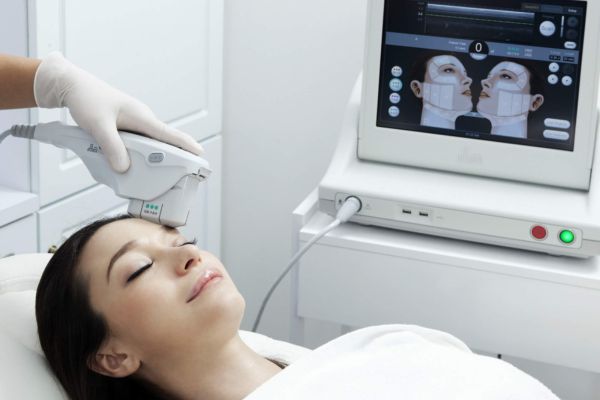
Clear explanation of treatment outcome comparisons for readers
Ultherapy before and after – How different is your skin?
This section explains the most visible and realistic skin changes that patients usually notice during a typical treatment journey. It focuses on common skin conditions before treatment and the improvements that gradually appear afterward.
Usual skin concerns before treatment
Skin laxity around the lower face may appear as early jowls, reduced jawline definition or broader sagging across the cheeks and neck. Ultherapy for jowls and early jawline laxity may be discussed when localised tissue descent and reduced support contribute to the concern. Suitability and visible change still depend on anatomy, baseline laxity, treatment planning and individual response.
Skin sagging around the cheeks, jawline, and lower face
- Loss of firmness and elasticity caused by reduced collagen production
- Visible wrinkles and fine lines around the cheeks, jaw area, and neck
- Early facial drooping that affects overall facial contours
- Skin that looks tired, loose, and less defined in key lifting areas
Observable results after the procedure
After completing the procedure and allowing time for collagen regeneration, patients usually notice several visible improvements.
- Firmer and tighter skin, evident by Ultherapy before and after reference photos
- A slimmer and more refined facial appearance, especially in the lower face
- A clearer and more defined jawline and facial contour
- Smoother skin texture with a more even and healthy-looking skin tone
- Improved overall skin resilience and a more refreshed facial look
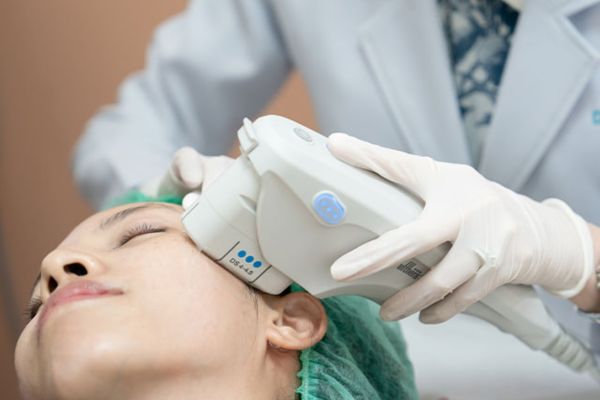
Realistic skin changes across different stages of treatment
Actual Ultherapy before and after results in images
These photos give you a look into real skin changes through actual treatment from actual patients. Each pair focuses on the areas where changes are most visible and where treatment is most frequently performed.
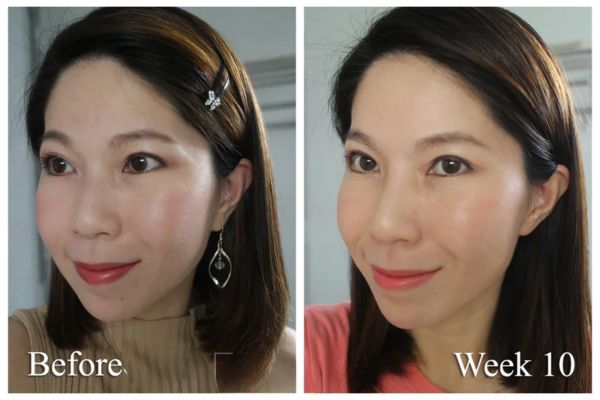
Face

Neck
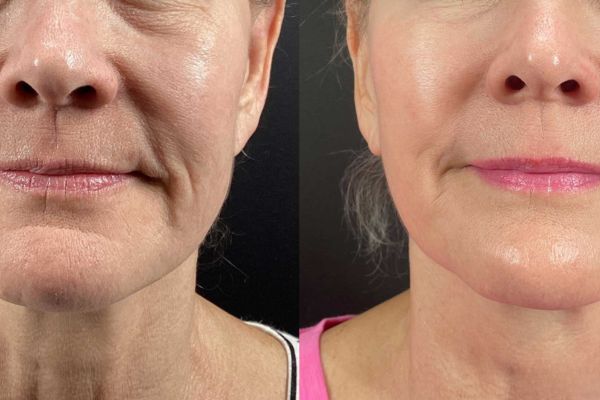
Nasolabial folds
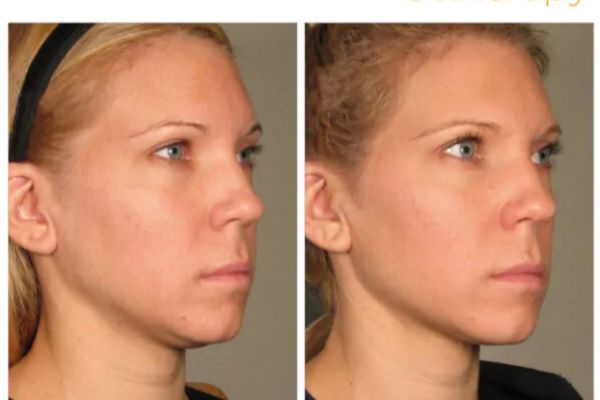
Jawline
The timing of follow-up photography can affect how Ultherapy changes appear. An Ultherapy result timeline and longevity guide can help distinguish when firmness or contour changes may become visible from how long they may remain noticeable. Lighting, facial expression, camera angle, baseline laxity and individual response should also be considered when reviewing images.

Real patient images showing visible facial improvement results
Do Ultherapy before and after results vary from person to person?
Obviously, results before and after the treatment can vary noticeably from one person to another. These differences are influenced by individual skin conditions and treatment-related factors.
Age
Age directly affects the skin’s ability to produce new collagen after treatment. Younger skin usually responds faster and shows clearer improvement. In older patients, results are still possible but often develop more gradually and may appear less dramatic.
Pre-treatment skin condition
Baseline laxity influences what may reasonably change after treatment. Ultherapy for facial and neck laxity may be discussed when the concern is mild to moderate, while advanced tissue descent may require a different approach or surgical assessment. Suitability and visible outcomes still depend on anatomy, treatment area, planning and individual response.
Skin elasticity
Skin elasticity reflects how well the skin can contract and recover after energy stimulation, which strongly affects Utherapy before and after results. Skin with better elasticity typically achieves firmer and more noticeable contour improvement. Poor elasticity may reduce the visible lifting effect and slow down the overall result.
Shot quantity and energy parameters
The total number of shots and the selected energy level directly affect how deeply and evenly the treatment works. Adequate shot coverage and proper energy settings help deliver more consistent and balanced results. Insufficient treatment parameters may lead to weaker or uneven outcomes.
Practitioner’s skill
The practitioner’s experience and technical skill strongly influence the final result. A well-trained provider can accurately assess treatment areas and customize energy settings for each face. This helps maximize effectiveness while minimizing unnecessary risks.
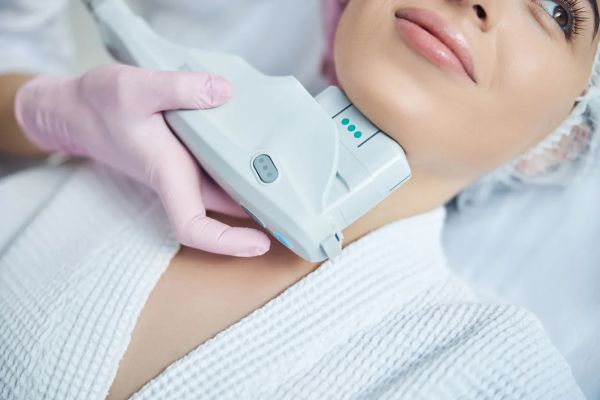
Key factors influencing individual treatment outcome differences for patients
FAQs about Ultherapy before and after
This FAQ section helps clarify common concerns about results, safety, and expectations. It also explains how outcomes may vary depending on individual skin conditions and treatment plans.
At what point can I expect to notice changes?
Most people start noticing gradual changes within the first few weeks after treatment. The most visible improvement usually appears after collagen regeneration begins and continues over several months. By the two- to three-month mark, the final outcomes, usually more youthful appearance overall, often becomes clearer.
Do the effects last long or are they temporary?
The results are not permanent because the skin continues to age naturally over time. However, improvements can last for many months when proper skincare and healthy habits are maintained. Some people choose maintenance sessions to help prolong the effects.
Is the treatment usually well tolerated?
Discomfort levels vary depending on pain tolerance and the treated area. When reviewing Ultherapy before and after , most patients describe the sensation as brief warmth or mild tingling rather than pain. Temporary redness or mild swelling may occur but usually goes away quickly.
Is any downtime needed after treatment?
The majority of patients can go back to normal activities immediately after the procedure. There is usually no visible bruising or extended recovery period. Minor tenderness or tightness may be felt for a short time.
Who can be an ideal candidate for this treatment?
The ideal candidates are people with mild to moderate skin laxity who want non-surgical lifting. Based on typical Ultherapy before and after outcomes, individuals with good skin quality and realistic expectations tend to achieve better results. A professional consultation is still important to confirm suitability.
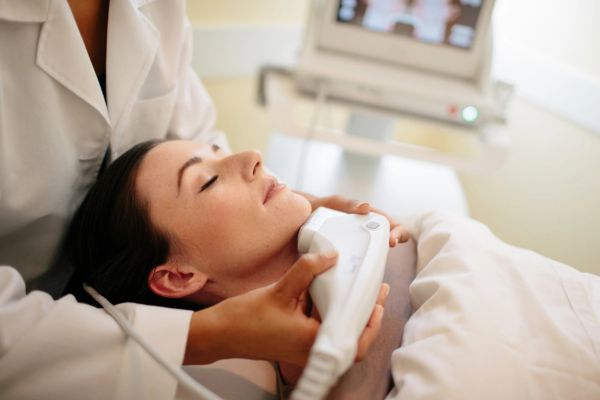
Common questions about results safety recovery and expectations
Conclusion
Ultherapy before and after shows realistic improvements in skin firmness, facial contour, and overall texture when the treatment is performed with proper technique and expectations. Results vary depending on age, skin condition, and practitioner expertise, so a professional consultation is essential before starting. This approach is best suited for people seeking non-surgical lifting with gradual, natural-looking outcomes.