
Ultherapy: The Gold Standard for Non-Surgical Face and Neck Lifting
Ultherapy face lift is a non-surgical skin tightening treatment that helps lift and firm sagging facial areas using focused ultrasound technology. It is popular for natural-looking results with minimal downtime and gradual collagen stimulation. This guide explains how the treatment works, who it is suitable for, and what results you can realistically expect!
Overview of the Ultherapy face lift
In real clinical practice, this treatment refers to a non-invasive procedure that uses focused ultrasound energy to tighten skin and gently lift facial tissues at deeper support layers. It is designed to stimulate natural collagen production without cutting, injections, or surgical recovery. The technology is developed and distributed globally by Merz Aesthetics for medical-grade aesthetic use.
Unlike traditional cosmetic procedures, non-surgical lifting focuses on progressive firming rather than immediate structural reshaping. In clinical conversations, Ultherapy face lift is commonly used to describe a targeted ultrasound session aimed at improving facial tightness and contour without downtime. The approach is based on controlled energy delivery to precise depths of the skin.
This treatment is especially popular among patients with early to moderate facial sagging who are not ready for surgery. It offers visible improvement while preserving natural facial movement and expressions. Many patients choose it as a preventive and maintenance option before skin laxity becomes more advanced.

A clear overview of modern noninvasive facial lifting treatment
How does an Ultherapy face lift actually work?
Focused ultrasound technology works by delivering precise thermal energy to specific depths beneath the skin without damaging the surface layer, helping patients better understand what is Ultherapy for face at a technical level. The energy creates tiny, controlled coagulation points that trigger a natural wound-healing response inside the tissue. This controlled micro-injury causes immediate tissue contraction and activates long-term biological repair processes.
Collagen stimulation plays a central role in skin lifting and firming after ultrasound treatment, including Ultherapy face lift. Heat exposure causes existing collagen fibers to shrink while also activating fibroblasts to produce new collagen over time. As collagen density and structure improve, the skin becomes firmer, more elastic, and better supported from within.
The technology is developed and clinically standardized under the ownership of Merz Aesthetics, ensuring consistent energy delivery and real-time treatment control. Built-in visualization allows practitioners to target precise tissue layers responsible for structural support. This depth-controlled approach improves treatment accuracy and reduces unnecessary energy exposure to surrounding areas.

Detailed explanation of focused ultrasound skin tightening mechanism
Which areas can be treated with Ultherapy Face Lift?
This treatment can target multiple facial and neck zones in one session. Each area focuses on improving firmness, contour, and overall skin support.
Full face
Ultherapy face lift is commonly applied to the full face to improve overall firmness and early laxity in multiple layers of facial tissue. The focused ultrasound energy reaches deeper support structures to encourage uniform tightening. This approach helps enhance facial balance without changing natural expressions.
Cheeks and mid-face
The cheeks and mid-face are treated to restore mild volume support and reduce early sagging. Ultrasound energy is delivered to deeper tissue planes to reinforce internal skin structure. This improves skin density and contour around the central face.
Jawline and jowls
The jawline may be treated when early laxity or localised tissue descent contributes to the appearance of jowls. Ultherapy for jowls focuses on the lower-face and jawline concern, although any change in definition develops gradually and varies according to anatomy, baseline laxity, treatment planning and individual response.
Brow and upper face
The brow and upper face are targeted to gently improve skin tightness and subtle lifting. Treatment focuses on precise depth control to avoid surface disruption. This supports a more refreshed and open upper facial appearance.
Neck and submental area
The neck and submental region can be treated by strengthening deeper connective tissue layers to improve overall support. Ultherapy face lift delivers controlled thermal points that stimulate long-term collagen rebuilding under the skin. This helps improve neck firmness and soften the appearance of skin laxity beneath the chin.
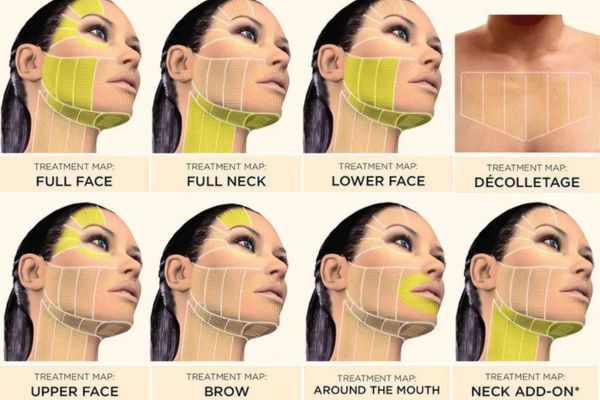
Typical target zones for comprehensive facial contour improvement
Who is the right candidate for Ultherapy face lift?
By evaluating skin quality, personal expectations, and desired outcomes, this guide outlines the profiles that are most suitable for the procedure. It also emphasizes how proper candidate selection plays a key role in achieving predictable and satisfying results.
Low to moderate skin laxity
Patients with mild to moderate skin laxity often notice early looseness around the cheeks, jawline, and lower face that has not yet progressed to deep sagging. At this stage, the skin still has enough structural integrity to respond well to energy-based stimulation. This makes non-invasive tightening strategies more predictable and consistent in outcome.
These individuals usually want to improve firmness without altering their natural facial structure. Their main concern is restoring support rather than changing facial shape or volume. Because tissue quality is still relatively good, the biological response tends to be more efficient.
Early loss of facial tightness
People experiencing early facial sagging and reduced firmness often seek a treatment that targets deeper support layers instead of only the skin surface. Ultherapy face lift is commonly considered at this stage because it focuses on stimulating internal tissue contraction and long-term structural reinforcement. This approach helps address the underlying support system rather than masking visible laxity.
These patients typically notice subtle drooping in the mid-face, jawline, or brow area. The goal is to slow visible aging changes before they become more pronounced. Early intervention allows collagen renewal to contribute to gradual and natural-looking improvement.
Patients interested in non-surgical face lifting
Many candidates prefer a non-surgical approach because they want visible tightening without anesthesia, incisions, or extended downtime. They are usually looking for a procedure that fits easily into a busy lifestyle and does not interrupt daily routines. Comfort, safety, and convenience are often key decision factors.
These patients value gradual improvement rather than immediate dramatic changes. They often want to maintain their natural appearance while improving overall skin quality. Non-invasive lifting options align well with long-term aesthetic maintenance plans.
Realistic mindset toward long-term results
Candidates with realistic expectations understand that Ultherapy face lift delivers progressive changes rather than instant lifting effects. They recognize that collagen rebuilding takes time and that visible improvement develops over several months. This mindset helps prevent disappointment and supports long-term satisfaction.
These individuals typically view the treatment as part of an ongoing skin care and aging management strategy. They are comfortable with subtle, cumulative improvements rather than dramatic transformation. Clear communication and proper consultation further strengthen alignment between expectations and outcomes.
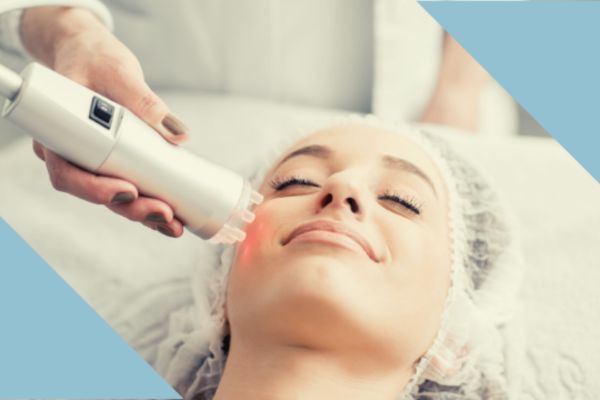
Ideal patient profiles for noninvasive facial tightening solutions
Who should not consider ultrasound skin tightening for the face?
This part highlights who may not be an appropriate candidate for the treatment, with clear attention to medical limitations, potential safety risks, and the need for realistic and well-informed expectations before deciding to proceed.
Severe facial laxity requiring surgical treatment
Patients with advanced skin laxity often have significant tissue descent and weakened structural support. In these cases, non-invasive methods are usually unable to reposition tissue effectively or restore facial contours. Ultherapy face lift may not provide sufficient lifting for individuals who already require surgical correction.
When skin has lost a large amount of elasticity, deeper mechanical repositioning is often needed. Energy-based tightening can improve texture but cannot replace removed or repositioned tissue. A surgical consultation is usually more appropriate for this level of concern.
Inflamed skin or open lesions
Patients with active skin infections, inflammation, or open wounds should avoid energy-based facial treatments. Delivering heat to compromised skin can worsen irritation and delay proper healing. Treatment should only be considered after the skin has fully recovered.
Open or infected areas increase the risk of post-treatment discomfort and unpredictable skin reactions. The treatment surface must be intact to ensure accurate energy delivery. Proper skin health is a basic requirement before any ultrasound-based procedure.
Candidates expecting dramatic contour changes
Some individuals expect visible facial reshaping similar to surgical procedures. Ultherapy face lift is designed to improve firmness and support gradually, not to create dramatic contour changes or structural repositioning. Patients seeking immediate and transformative results may feel dissatisfied with the outcome.
Clear communication during consultation is essential to align treatment goals with realistic results. Candidates should understand that changes develop progressively over time. A realistic mindset leads to better satisfaction and long-term treatment planning.
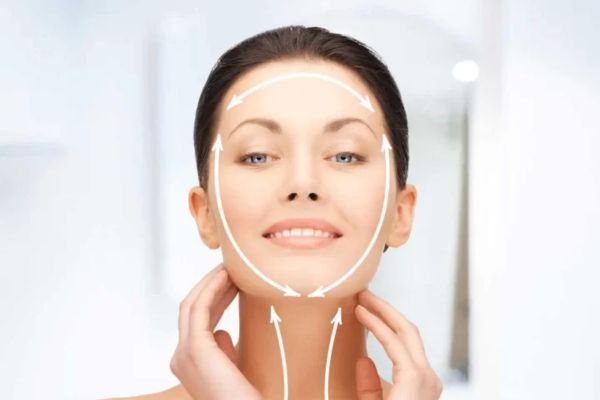
Limitations and exclusions for noninvasive facial lifting procedures
How comfortable is the treatment session?
During treatment, patients usually feel brief bursts of heat and tingling as the ultrasound energy reaches deeper support layers of the skin. The sensation is often described as short, localized pulses rather than continuous pain. Most patients can undergo the treatment comfortably without anesthesia.
To improve comfort, practitioners may adjust energy settings and treatment speed based on individual sensitivity. Many clinics also offer oral pain relief, cooling breaks, or vibration-based distraction to reduce discomfort during Ultherapy face lift sessions. These options help make the experience more manageable while maintaining treatment effectiveness.
Discomfort levels can vary depending on treatment area, skin thickness, and individual pain tolerance. Bony areas such as the jawline and brow often feel more sensitive than softer facial zones. Previous aesthetic treatments and overall skin condition can also influence how the energy is perceived.
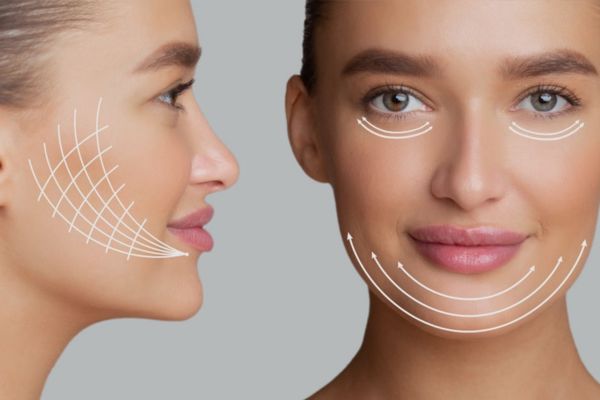
Expected comfort levels during noninvasive facial treatment sessions
How long do the results usually stay visible?
How long Ultherapy facial results may remain visible depends on baseline laxity, skin quality, treatment area, planning and individual response. Changes generally develop gradually and may soften over time as natural ageing continues. Follow-up treatment should be considered after reassessment rather than according to a universal maintenance interval.
Longevity is influenced by factors such as age, baseline collagen levels, sun exposure, and overall skin health. Lifestyle habits, including smoking, stresss, and inconsistent skincare routines, can accelerate collagen breakdown. Generic factors and natural ageing processes also play a role in how long results remain noticeable.
Ultherapy face lift results can be maintained through periodic follow-up treatments based on professional assessment. Maintenance sessions are usually scheduled when signs of skin laxity begin to return rather than on a fixed timeline. This flexible approach helps preserve firmness and extend long-term skin quality improvements.

Average longevity of visible facial tightening results explained
Ultherapy face lift before vs after: Realistic expectations
Full-face Ultherapy before-and-after comparisons may illustrate gradual changes in firmness and facial contour across the cheeks, jawline and lower face. These images should be reviewed as general examples rather than a prediction of another person’s result, as baseline laxity, treatment planning, photography and individual response can affect what appears visible.
Expected visible improvements
Most patients notice smoother skin texture and a subtle improvement in facial contour after healing begins. With Ultherapy face lift, early changes are often seen as gentle lifting around the cheeks, jawline, and lower face rather than dramatic repositioning. These improvements continue to develop gradually as collagen renewal progresses over time.
Level of lifting and skin firmness
The level of lifting varies depending on baseline skin condition and tissue quality. In most cases, patients experience mild to moderate tightening with improved firmness in targeted areas. The outcome is designed to support facial structure rather than create a sharply lifted look.
Gentle enhancement versus dramatic results
Patients who choose Ultherapy face lift typically achieve a refreshed and more supported appearance without altering their natural facial features. The treatment enhances skin strength and elasticity while preserving normal facial movement and expression. This makes the overall result appear subtle, balanced, and age-appropriate rather than transformed, addressing concerns about does Ultherapy make your face thinner.

Realistic expectations for visible facial tightening improvements today
What side effects can occur after Ultherapy face lift?
Understanding possible reactions helps patients prepare both physically and mentally for treatment. Most side effects are temporary and related to the body’s natural healing response. Knowing what is normal and what requires follow-up improves overall treatment confidence.
Short-lasting skin responses after treatment
Immediately after treatment, mild redness, slight swelling, or a tingling sensation can appear in the treated areas. With Ultherapy face lift , these short-term reactions usually reflect normal tissue response to focused thermal stimulation. They commonly resolve on their own within a few hours to a few days.
Transient nerve sensitivity
Some patients may experience brief nerve-related sensations such as tenderness, mild numbness, or sensitivity in specific facial areas. These sensations are linked to temporary inflammation near deeper tissue layers rather than permanent nerve injury. In most cases, symptoms gradually fade without requiring medical intervention.
Less common risks and how they are handled
Although uncommon, more persistent discomfort or localized weakness can occasionally occur after Ultherapy face lift treatment. When this happens, clinicians typically manage symptoms with close monitoring, supportive care, and tailored follow-up visits. Proper technique and individualized treatment planning significantly reduce the likelihood of serious complications.
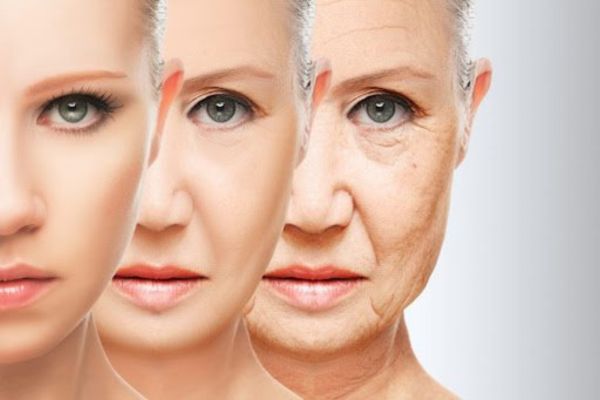
Possible post treatment responses after ultrasound facial lifting
What to look for in an Ultherapy face lift clinic
Selecting the right clinic is essential for safety, treatment accuracy, and overall results. The following factors help ensure a professional and reliable treatment experience:
Professional skill and medical experience of the provider
Ultherapy face lift should always be performed by a practitioner who is properly trained in ultrasound-based facial treatments and understands facial anatomy in depth. Clinical experience allows the provider to select correct energy levels and treatment depths for different facial zones. This helps reduce unnecessary discomfort and improves overall treatment precision.
An experienced practitioner can also recognize which areas will respond best to treatment and which areas require a more conservative approach. They are better equipped to customize treatment strategies based on skin thickness and tissue condition. This clinical judgment directly influences outcome quality and patient satisfaction.
Approved and legitimate equipment
Using an authentic and well-maintained device is critical for consistent and predictable energy delivery. Certified equipment ensures that ultrasound output matches approved clinical standards and safety protocols. This helps protect patients from under-treatment or excessive energy exposure.
Clinics that invest in genuine systems also receive proper software updates and technical support. This improves imaging accuracy and treatment targeting. Device authenticity plays a key role in treatment reliability and long-term performance.
Pre-treatment consultation and personalized treatment planning
A thorough consultation allows practitioners to evaluate skin condition, facial structure, and individual aesthetic goals before treatment. Proper assessment helps determine realistic outcomes and suitable treatment areas. Detailed planning also improves treatment efficiency and overall comfort.
During the planning process, Ultherapy face lift should be clearly explained in terms of expected results, limitations, and long-term maintenance. Individualized mapping of facial zones helps align treatment depth and energy placement with structural needs. This structured planning approach supports safer treatments and more consistent results.
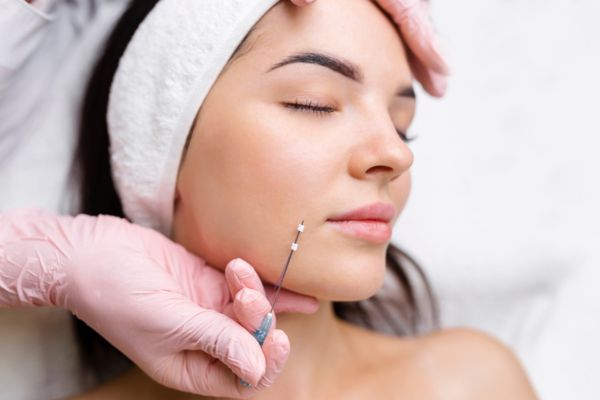
Key criteria for selecting a reliable aesthetic clinic
Top FAQs about the Ultherapy face lift
This FAQ section answers the most common concerns patients have before starting treatment. It focuses on safety, results, comfort, and long-term expectations, helping readers better understand what the treatment involves.
How many treatments are commonly recommended?
Most patients only need one treatment session to begin seeing gradual improvement. Ultherapy face lift is designed to stimulate collagen production in a single, structured procedure rather than through multiple visits. However, some individuals may choose additional sessions later to maintain results as natural aging continues.
Does skin type affect treatment suitability?
The treatment is generally suitable for most skin types and tones because it targets deeper tissue layers rather than the skin surface. Results depend more on skin laxity, tissue quality, and individual aging patterns than on skin color. A professional consultation is still essential to confirm suitability.
How soon do results usually become noticeable?
Early tightening can sometimes be noticed shortly after treatment, but the main improvements appear gradually. With Ultherapy face lift, collagen rebuilding typically continues for several months after the session. Most patients observe clearer lifting and firmness between two and four months.
Is surgery still needed after this treatment?
This procedure is intended for mild to moderate skin laxity rather than advanced sagging. It does not reposition large amounts of tissue or remove excess skin. Patients with more severe concerns may still require surgical options for stronger lifting effects.
When should you expect to notice improvement after treatment?
Maintenance timing depends on age, lifestyle, and how quickly skin laxity returns. Ultherapy face lift is commonly repeated when gradual loss of firmness becomes noticeable again. Many patients schedule follow-up treatments as part of a long-term skin aging management plan.
Frequently asked questions about noninvasive facial tightening treatments
Conclusion
Ultherapy face lift offers a non-surgical way to improve skin firmness and facial support through targeted ultrasound technology. It is best suited for people with mild to moderate skin laxity who want natural-looking, gradual improvement without downtime. With proper consultation and realistic expectations, this treatment can be a reliable option for long-term facial rejuvenation.