
Ultraformer MPT Side Effects: Safety Tips
Considering a non-surgical facelift? Ultraformer MPT is gaining attention for its skin-tightening benefits. However, it’s essential to be informed about potential side effects before proceeding. Common reactions include temporary redness and swelling, while some may experience tenderness or mild discomfort during the procedure. Learn more about how to address and prevent these Ultraformer MPT side effects for a smoother procedure.
What is Ultraformer MPT?
Ultraformer MPT is an advanced non-invasive treatment that utilizes High-Intensity Focused Ultrasound (HIFU) technology to rejuvenate and tighten the skin. Delivering targeted ultrasound energy into multiple skin layers, it stimulates collagen production, resulting in firmer, more youthful skin. Ultraformer MPT for age-related skin laxity may be discussed when mild to moderate laxity, fine lines or reduced firmness contribute to the concern. Understanding how Ultraformer MPT delivers ultrasound energy beneath the skin provides useful context before reviewing its potential side effects. Understanding how Ultraformer MPT technology delivers focused ultrasound energy provides useful context before reviewing potential side effects.
Ultraformer MPT side effects: what to expect?
Ultraformer MPT side effects are often mild and short-term, but they should still be explained before treatment. Common reactions may include redness, tenderness, warmth, mild swelling or temporary tingling. Less common reactions can include bruising, altered sensation or discomfort that lasts longer than expected.
| What you may notice | What it may mean | What to do |
|---|---|---|
| Mild redness | A temporary skin response after treatment | Follow the aftercare advice provided |
| Warmth in the area | A short-term reaction in treated tissue | Monitor and avoid irritating the area |
| Tenderness | A normal tissue response after energy-based treatment | Avoid pressure if advised |
| Tingling | Temporary nerve sensitivity may occur | Mention it at review if it persists |
| Mild swelling | Can vary by area and skin sensitivity | Contact clinic if severe or persistent |
| Bruising | Less common, but possible in some patients | Ask the clinic if you are concerned |
| Numbness or altered sensation | May need review if it continues | Contact clinic for guidance |
| Unusual pain or worsening swelling | May require clinical advice | Contact clinic promptly |
Ultraformer MPT recovery and downtime are not the same for every patient. Redness, warmth, tenderness, swelling, tingling, bruising or altered sensation may occur, while the treatment area, settings, skin sensitivity and individual healing response can affect their duration.

Make sure you are aware of all the potential side effects of Ultraformer MPT
Rare complications
All in all, these side effects are generally short-lived and indicate the body’s natural response to the ultrasound energy stimulating collagen production. However, even with one of the best safety profiles, there are small risks of less common and rare side effects accompanying Ultraformer MPT.
- Bruising: Occasionally, minor bruising may occur, particularly in individuals prone to bruising.
- Numbness: A temporary numbness or altered sensation in the treated area can happen but typically resolves without intervention.
These rare side effects are uncommon and often related to individual skin sensitivity or the specific area treated, so your practitioner or clinic should be able to handle them easily.
Who may be more likely to notice Ultraformer MPT side effects?
Potential reactions are influenced by skin sensitivity, current irritation, recent procedures, medical history, treatment area and the settings used. Assessing whether Ultraformer MPT is suitable for your skin type and medical history is therefore an important step before discussing likely side effects and aftercare.
Reactions can vary with skin sensitivity, treatment settings and the area treated. The neck, jawline and under-chin region may feel different from the cheeks because tissue thickness and anatomy vary. People considering Ultraformer MPT for under-chin concerns should discuss possible swelling, tenderness, bruising or altered sensation as part of their treatment assessment.
Your practitioner may consider factors such as:
- Your skin sensitivity
- The treatment area
- Recent skin treatments
- Current skin irritation
- Medical history
- Previous response to energy-based treatments
- Your comfort level
- The treatment settings used
Having sensitive skin does not always mean Ultraformer MPT is unsuitable. It means your skin should be assessed carefully, and your practitioner should explain what side effects may be more likely in your case. If you are concerned about sensitivity, read more about Ultraformer MPT for sensitive skin before your appointment.
Is Ultraformer Safe for the Face?
Generally though, Ultraformer MPT is safe for the face. Let’s break it down so you can have a closer look:
The facial region presents unique challenges compared to other body areas due to its intricate anatomy and the presence of delicate structures. Ultraformer MPT addresses these challenges by employing High-Intensity Focused Ultrasound (HIFU) technology, which delivers precise ultrasound waves to targeted skin layers.
This precision can effectively stimulate collagen production while safeguarding sensitive areas, known as gentle and non-invasive compared to other treatments with the same goals.
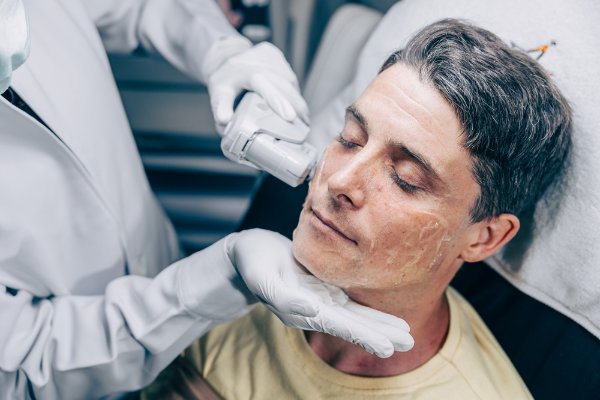
HIFU for facial skin tightening is a safe choice for most patients
On top of that, clinics implement specific protocols to ensure the safety and efficacy of Ultraformer MPT treatments on the face:
- Customization: Treatment parameters are adjusted based on individual skin types and concerns, ensuring optimal results while minimizing risks.
- Operator training: Practitioners undergo comprehensive training to master the device’s application, emphasizing the importance of technique in achieving safe outcomes.
- Patient assessment: A thorough evaluation of the patient’s medical history and skin condition is conducted to identify any contraindications.
Preparing for Your Ultraformer MPT Treatment
Addressing the issues is just as important as preparing for them. Here’s how you can get ready before even getting to your clinic:
- Consult a Qualified Professional: Schedule a consultation to assess your skin condition and determine if Ultraformer MPT is suitable for you.
- Adjust Skincare Routine: Discontinue use of products containing retinoids, AHAs, or BHAs at least one week before treatment to prevent skin sensitivity.
- Avoid Sun Exposure: Refrain from tanning or using UV lamps for at least two weeks prior to the procedure to reduce the risk of complications. In fact, it is recommended to do this in moderation nonetheless.
- Inform About Medications and Allergies: Provide your practitioner with a complete list of medications and any known allergies to ensure safe treatment planning.
- Maintain Good Health: Ensure you’re well-rested and in good health on the day of the procedure to promote optimal healing.
- Cleanse Your Skin: Arrive with a clean, makeup-free face to allow effective ultrasound energy penetration.

Cleanse and prepare your skin before the treatment for the best results
Managing and Minimizing Side Effects Post-Treatment
Lastly, proper aftercare following your Ultraformer MPT treatment can support recovery and help you monitor temporary reactions. Your clinic should provide instructions based on your skin, treatment area and individual response. ——————
- Cold Compress: Apply a cold compress to the treated area to reduce any swelling or redness. Ensure the compress is wrapped in a clean cloth to prevent direct contact with the skin. However, it is only optional, so you can go without.
- Avoid Heat Exposure: Steer clear of hot baths, saunas, or activities that induce excessive sweating for the first 24-48 hours post-treatment. This precaution helps prevent irritation and supports the healing process.
- Sun Protection: Apply a broad-spectrum sunscreen with an SPF of 30 or higher daily, even when indoors. Reapply every 2-3 hours if exposed to direct sunlight to protect the skin and maintain treatment results.
- Gentle Skincare Routine: Refrain from scrubbing or massaging the treated area for at least one week. Opt for a mild cleanser and avoid products containing harsh ingredients to prevent irritation.
- Hydration and Rest: Drink plenty of water and ensure you get sufficient rest. These factors are crucial for the skin’s recovery and overall well-being.
While side effects are typically mild and transient, it’s important to monitor your recovery. If you experience any unusual or severe symptoms, consult your practitioner promptly to address any concerns.