
7D HIFU vs Ultherapy: Finding the Best Ultrasound Treatment
When it comes to non-invasive cosmetic procedures, individuals seeking skin tightening and rejuvenation have plenty of options, with two of them being based on the use of ultrasound technology. 7D HIFU and Ultherapy both stimulate collagen production with an aim to lift and firm the skin without surgery. Despite the similar objectives, 7D HIFU and Ultherapy differ in technology, treatment depth, precision, and cost. How are they different from each other? Find out through this article.
Overview of 7D HIFU and Ultherapy
The basics of 7D HIFU
7D HIFU utilizes High-Intensity Focused Ultrasound without real-time imaging. It delivers focused ultrasound energy, using devices such as the Ultraformer MPT, at depths ranging from 1.5mm to 13mm. This allows it to target the dermis, SMAS layer, and deeper subcutaneous tissues. This versatility allows for applications in both facial rejuvenation and body contouring by promoting collagen regeneration, resulting in effective skin tightening and lifting.
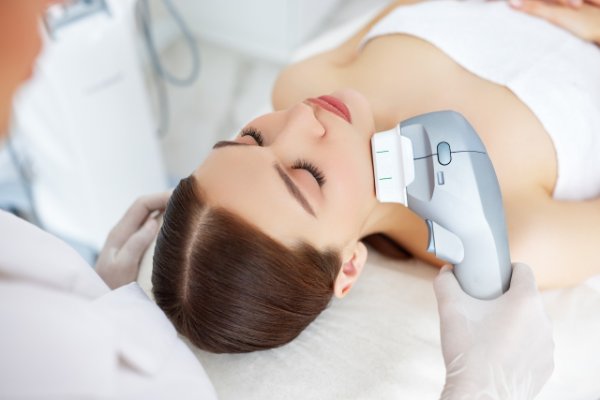
7D HIFU is a viable option for skin rejuvenation
What is Ultherapy?
Ultherapy uses microfocused ultrasound with real-time imaging to help practitioners visualise the tissue layers being treated. Readers researching the newer platform can review the detailed Ultherapy Prime vs HIFU comparison, including differences in imaging, treatment planning, approved areas and suitability.
Treatment Areas and Applications of 7D HIFU and Ultherapy
Ultherapy is primarily focused on facial rejuvenation. It is designed to target the brow, chin, and neck, delivering precise ultrasound energy to lift and tighten sagging skin in these regions.
In contrast, 7D HIFU offers versatility by being applicable to both facial and body treatments. Beyond its effectiveness on the face, it can also be used on the abdomen, thighs, and other areas requiring skin tightening and fat reduction, making it a popular choice for comprehensive body contouring and rejuvenation.
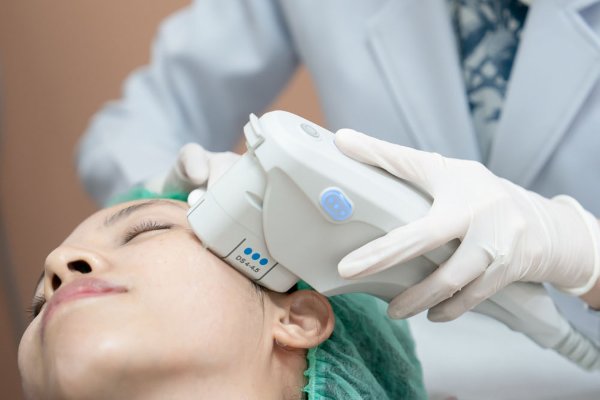
Ultherapy is a great alternative that addresses the same skincare goals
7D HIFU vs Ultherapy – Efficiency and Results
Both treatments use ultrasound energy and aim to support gradual collagen remodelling, although outcomes vary according to the device, treatment plan and individual response. Readers considering a different energy modality can also explore HIFU compared with Forma radiofrequency to understand how deeper ultrasound treatment differs from dermal radiofrequency heating.
Their efficiency is not far off from each other due to them using similar technology. While Ultherapy’s precision may yield more predictable results for facial areas, 7D HIFU offers versatile applications that can also deliver significant lifting effects on the body.
7D HIFU and Ultherapy Side Effects and Safety
Both treatments share common, mild side effects such as temporary redness, swelling, and tenderness at the treatment sites. With Ultherapy, the real-time imaging feature enhances safety by allowing practitioners to visualize the targeted tissue layers, reducing the risk of over-treatment. In contrast, 7D HIFU does not offer real-time imaging, which means that if the procedure isn’t performed by an experienced practitioner, there may be a higher risk of unintended effects. Ensuring proper provider expertise is key to minimizing these risks with either treatment.
7D HIFU vs Ultherapy Costs
Ultherapy typically commands a higher cost due to its advanced real-time imaging technology and stronger reputation amongst skincare enthusiasts. This investment in precision and safety translates into a premium price for treatments.
7D HIFU is generally more cost-effective, making it a popular option for those seeking similar skin tightening and lifting results on a budget. However, treatment prices for both modalities can vary based on factors such as provider expertise, geographic location, and the specific equipment used.