
BodyTite vs Liposuction: Which Treatment Is Right for You?
When it comes to choosing between BodyTite vs Liposuction, Aussies increasingly seek a solution that balances effective fat removal with minimal downtime. In this guide, we’ll walk you through what sets BodyTite’s radiofrequency‑assisted approach apart from traditional liposuction, so you can make an informed, confident‑boosting decision.
BodyTite vs Liposuction: Procedure Basics
Traditional Liposuction 101
Traditional liposuction is a time‑tested surgical method that uses a thin, hollow tube (cannula) inserted through small incisions. Your surgeon moves the cannula back and forth to break up fat cells, which are then suctioned out through the tube. This direct removal delivers immediate volume reduction. Most patients lose between 3 and 10 pounds of fat, depending on the treatment area and individual factors.
Commonly treated zones include the abdomen, flanks (love handles), thighs, arms and under the chin, areas where diet and exercise often leave stubborn pockets behind. While liposuction excels at removing larger fat volumes, it doesn’t inherently tighten skin, so good skin elasticity is key for smooth post‑procedure contours.

Learn about BodyTite and Liposuction
BodyTite Explained
BodyTite takes a minimally invasive spin on fat reduction by combining liposuction with radiofrequency‑assisted lipolysis (RFAL). A tiny internal probe delivers targeted heat to melt fat, while an external electrode heats the skin surface. This dual action not only liquefies fat for easier suction but also stimulates collagen production, resulting in noticeable skin tightening over time. A tiny internal probe delivers targeted heat to melt fat, while an external electrode heats the skin surface.
Because BodyTite’s RF energy contracts tissues as it works, patients often enjoy smoother, firmer contours without the need for more extensive surgery, and with smaller incisions than traditional liposuction. Results continue to improve in the months following treatment as your body builds new collagen.
Safety, Side‑Effects & Comfort of BodyTite vs Liposuction
Anesthesia and Pain Management
When comparing BodyTite vs Liposuction, one of the biggest differences is the type of anesthesia used. Traditional liposuction often requires general anesthesia, which can lead to more post‑op grogginess and a higher chance of nausea or chills.
BodyTite, on the other hand, typically uses local anesthesia (sometimes with light sedation) to numb only the targeted area. In more extensive cases, your surgeon may recommend general anesthesia for BodyTite too, but most patients find tumescent local anesthesia with a pre‑procedure pain pill perfectly comfortable.
Common, Transient Effects
Both procedures bring about temporary swelling and bruising. With traditional liposuction, moderate to significant bruising can last up to two weeks, especially in deeper tissues.
Both procedures bring about temporary swelling and bruising. With traditional liposuction, moderate to significant bruising can last up to two weeks, especially in deeper tissues. BodyTite patients usually notice milder bruising and swelling that subsides within 7 to 10 days, thanks to the device’s coagulation effect on small blood vessels. Applying cool compresses during the first 48 hours, wearing a snug compression garment, and gentle lymphatic massage help speed up recovery and ease discomfort.

BodyTite and Liposuction comes with minor side effects
Rare Risks and Mitigations
While serious complications are uncommon in both BodyTite and liposuction, it’s vital to choose an accredited clinic. BodyTite’s built‑in safety system constantly monitors skin temperature and automatically shuts off if it approaches risk levels, making thermal injury almost impossible when handled by an experienced practitioner.
For traditional liposuction, strict sterile technique and careful fluid management minimise risks of hematoma (blood pooling) and infection. If a small hematoma does occur, your surgeon may perform gentle drainage under local anaesthetic to prevent discomfort or scarring.
BodyTite vs Liposuction: Recovery & Aftercare
Downtime Expectation
When it comes to downtime, traditional liposuction generally requires about 7 to 14 days of reduced activity. Most patients plan for a week off work to rest and manage discomfort, gradually reintroducing light movement like easy walks or stretching around days seven to ten.
return to desk duties within 2 to 3 days
Post‑Procedure Care
After either procedure, wearing a compression garment is crucial for supporting your new contours and controlling fluid buildup. With liposuction, surgeons typically recommend wearing one snug fitting garment for 4 to 6 weeks, while BodyTite patients often need it for just 2 to 3 weeks thanks to the device’s built-in coagulation of small vessels.
Around day 3 to 5 post‑treatment, incorporating gentle lymphatic drainage or massage can boost circulation and help clear residual fluid, speeding up the resolution of bruising. Keeping incision sites clean and protected is equally important—once sutures or staples come out (usually around day 7 to 10), apply a gentle, fragrance‑free moisturizer and daily SPF 30+ sunscreen to safeguard healing skin under Australia’s strong sun.

What is involved in BodyTite and Liposuction?
Optimising Your Healing
Optimising your healing journey means paying attention to your body’s basic needs. A balanced diet provides the building blocks for collagen repair, while colourful fruits and vegetables supply antioxidants that counteract inflammation.
Staying well‑hydrated also helps flush out by‑products of fat removal. Prioritise seven to eight hours of quality sleep, and consider elevating the treated area slightly with pillows to encourage lymphatic drainage overnight. Finally, ease back into physical activity: swap high‑impact workouts for low‑intensity routines until your surgeon gives the green light.
Who’s the Ideal Candidate For BodyTite vs Liposuction
When to Choose Liposuction
Liposuction remains the gold standard for patients seeking to remove larger volumes of fat in a single session. If you’re close to your target weight and enjoy good skin tone.
Ideal candidates are those who maintain a stable weight for at least six months, have realistic expectations around recovery, and are prepared for a slightly longer downtime.
When BodyTite Shines
If mild-to-moderate skin laxity is your main concern, perhaps a little loose tissue around the abdomen, arms or thighs, BodyTite offers the dual benefit of fat removal and significant skin contraction in one session. If mild-to-moderate skin laxity is your main concern, perhaps a little loose tissue around the abdomen, arms or thighs, BodyTite offers the dual benefit of fat removal and significant skin contraction in one session.
Thanks to its radiofrequency‑assisted lipolysis, BodyTite gently melts stubborn fat while stimulating collagen, making it perfect for Aussies who want smoother contours with minimal downtime. Most patients return to light activities within 2 to 3 days, making it a go‑to choice for those balancing work, family and fitness goals.
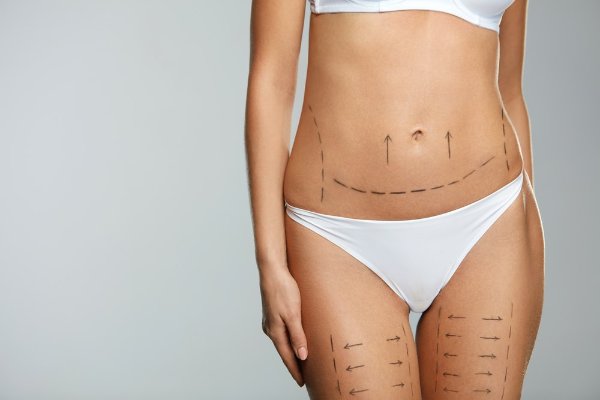
Who is the ideal candidate for BodyTite and Liposuction?
Health & Lifestyle Checklist
Before booking any procedure, you’ll want to confirm you’re in good general health and not smoking because tobacco use can impair healing and increase complication risks. A stable weight for at least three to six months signals that your lifestyle supports lasting results.
Finally, approach your consultation with clear, realistic goals: both BodyTite and liposuction can enhance your contours, but neither replaces a balanced diet or regular exercise. Transparent communication with your surgeon about medical history, expectations and post‑procedure plans ensures you choose the option that aligns best with your life and aesthetic vision.