
Thermage FLX vs Ultherapy Prime: Key Differences Explained
Thermage FLX vs Ultherapy Prime is a popular comparison for non-surgical skin lifting treatments today. Both technologies target skin tightening and collagen stimulation but work in different ways. Let’s explore which option best matches your skin goals and expectations!
Thermage FLX vs Ultherapy Prime: A quick guide
Thermage FLX and Ultherapy Prime are two leading non-invasive aesthetic treatments for skin tightening and lifting. Both are designed to improve signs of aging without surgery or downtime.
Thermage FLX
Thermage FLX uses monopolar radiofrequency (RF) energy to deliver controlled heat into the deeper layers of the skin, a core difference when comparing Ultherapy vs RF skin tightening. This heat response triggers instant collagen tightening while promoting long-term collagen renewal. The treatment focuses on improving overall skin firmness and texture.
By heating large treatment zones evenly, RF energy helps tighten skin gradually over time. Compared with ultrasound-based methods, the approach is more focused on surface and mid-dermal quality. This is why Thermage FLX vs Ultherapy Prime is often evaluated based on skin tightening versus lifting depth.
Thermage FLX is commonly used on the face, neck, and eye area. It is also effective for body areas such as the abdomen, arms, and thighs. These regions benefit from improved skin smoothness and elasticity.
Ultherapy Prime
Ultherapy Prime uses focused ultrasound (HIFU) to target precise depths beneath the skin, which is a key distinction often discussed in Ultherapy Prime vs Thermage comparisons. The energy bypasses the surface and creates thermal points at selected tissue layers. This precision allows for controlled lifting and firming.
A key advantage of Ultherapy Prime is its ability to reach the SMAS layer. This structural layer plays a critical role in facial support and contour. Treating this depth helps create visible lifting rather than surface tightening alone.
Ultherapy Prime is an upgraded version with enhanced imaging and treatment accuracy. These improvements lead to more predictable outcomes and improved comfort. This depth-focused approach explains why Thermage FLX vs Ultherapy Prime comparisons often emphasize lifting strength and structural support.
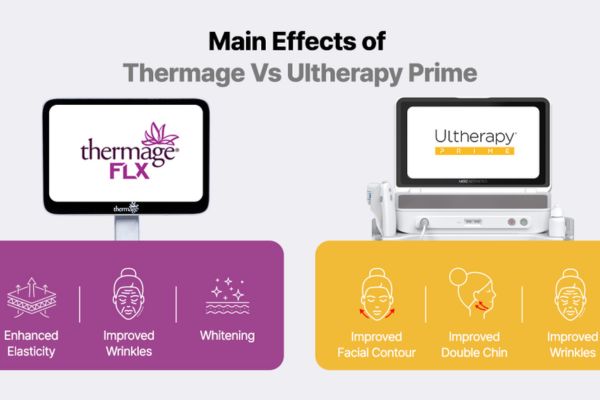
An overview of non-invasive skin lifting solutions
Why non-invasive rejuvenation is leading the market
Non-surgical skin rejuvenation and lifting treatments are increasingly popular for improving sagging skin without downtime. These advanced technologies stimulate natural collagen production to deliver gradual, long-lasting results. Among the most discussed options today are Thermage FLX vs Ultherapy Prime.
Thermage FLX and Ultherapy Prime are often compared because both focus on skin tightening and facial lifting. However, they use different energy-based technologies, which leads to differences in treatment depth, sensation, and outcomes. This makes the choice between these two non-surgical lifting treatments an important consideration for many patients.
People who are starting to notice signs of aging, such as mild to moderate skin laxity, may benefit from these treatments. They are also suitable for those seeking effective results without surgery or extended recovery time. Understanding the differences between Thermage FLX and Ultherapy Prime helps determine which option best fits individual skin goals.
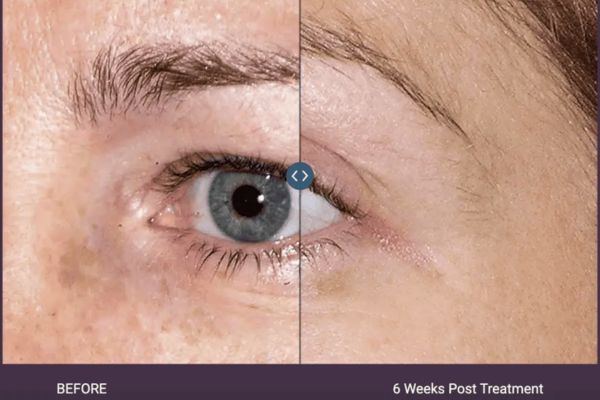
Growing demand for effective treatments without surgical downtime
Thermage FLX vs Ultherapy Prime: Full treatment comparison
Thermage FLX and Ultherapy Prime are frequently compared because both are advanced non-surgical treatments designed to improve skin laxity and facial contours. A detailed comparison across multiple factors helps patients understand how each technology delivers results differently.
Energy type & treatment mechanism
Thermage FLX uses monopolar radiofrequency energy to deliver uniform heat into the dermal layers, stimulating collagen contraction while encouraging long-term collagen regeneration for gradual skin tightening and texture improvement.
Ultherapy Prime relies on focused ultrasound energy delivered at planned tissue depths. Readers comparing ultrasound with a different form of radiofrequency treatment can review Ultherapy Prime vs Morpheus8 to understand how non-invasive ultrasound differs from RF energy delivered through microneedles.
Skin tightening outcomes
Thermage FLX is primarily designed to improve skin firmness and elasticity by tightening existing collagen fibers, a defining factor in Thermage vs Ultherapy Prime comparisons.
Ultherapy Prime produces more visible lifting by treating deeper anatomical layers, which helps redefine facial contours and address moderate skin sagging more effectively than surface-focused treatments.
Comfort during treatment
Thermage FLX is generally considered more comfortable due to its advanced cooling system and consistent energy delivery, which helps minimize discomfort while maintaining effective thermal stimulation throughout the treatment.
Because of deeper energy penetration, Thermage FLX vs Ultherapy Prime comparisons often highlight differences in sensation, as ultrasound-based treatments may feel more intense despite improved comfort technologies.
Session length and downtime
Thermage FLX treatment sessions usually range from thirty to ninety minutes depending on the size and number of areas treated, with little to no downtime allowing immediate return to daily activities.
Ultherapy Prime treatment uses micro-focused ultrasound with visualisation to create controlled thermal points at selected tissue depths. These characteristics distinguish it from Thermage FLX, which uses radiofrequency energy. However, treatment depth alone does not determine which option is more suitable or guarantee stronger lifting, greater comfort or longer-lasting results.
Long-term outcomes
Thermage FLX vs Ultherapy Prime differ noticeably in how results develop over time, as collagen stimulation progresses at different depths depending on the technology used and individual skin response.
Results from Thermage FLX typically develop gradually over several months as new collagen forms, with skin tightening and texture improvements that can last up to a year or longer.
Ultherapy Prime often delivers progressive lifting results within a few months, with outcomes that may last twelve to eighteen months depending on individual skin condition and aging factors.
Patient eligibility
Thermage FLX is considered safe for a wide range of skin types and is ideal for individuals with mild to moderate skin laxity who prefer natural-looking, progressive rejuvenation results.
Ultherapy Prime is best suited for patients seeking deeper lifting without surgery, particularly those with moderate sagging who understand the gradual nature of collagen-based skin tightening treatments.
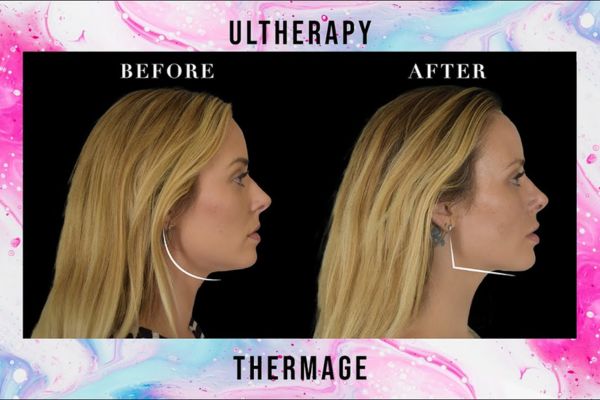
Detailed analysis across technology, comfort, and long-term results
Thermage FLX vs Ultherapy Prime: Expanded comparison
Thermage FLX and Ultherapy Prime are both advanced non-surgical treatments, but they differ in approach, precision, and ideal use cases. An expanded comparison helps clarify how each option aligns with specific skin concerns and aesthetic goals.
Comparison factor | Thermage flx | Ultherapy Prime |
Treatment precision | Delivers uniform energy across broad areas, ideal for overall skin quality improvement | Uses real-time ultrasound imaging for precise, layer-specific targeting |
Customization level | Energy levels adjusted based on treatment area and skin condition | Depth and energy tailored to individual facial anatomy |
Early visible changes | Skin smoothness and firmness may appear shortly after treatment | Subtle lifting effects can be noticed early in key areas |
Result consistency | Provides even results with minimal variation between treated zones | Technique quality impacts final results. |
Flexibility with additional skin treatments | Easily combined with lasers, injectables, or skin boosters | Typically performed as a standalone lifting procedure |
Ideal age range | Suitable for early aging concerns (approximately 30 – 45) | Better suited for moderate laxity (typically 40+) |
Primary aesthetic focus | Refines texture while increasing firmness | Boosts lift with clearer definition |
Suggested frequency for ongoing maintenance | Suggested maintenance every twelve months | Every twelve to eighteen months based on skin condition |
Importance of practitioner proficiency | Moderate | High |
Areas of strongest effect | Cheeks, neck, and larger treatment areas | Jawline, chin, and brow |
Overall, the table shows that Thermage FLX focuses on skin quality and firmness, while Ultherapy Prime targets deeper structural lifting. Choosing between Thermage FLX vs Ultherapy Prime depends on whether the goal is subtle tightening or visible lift.
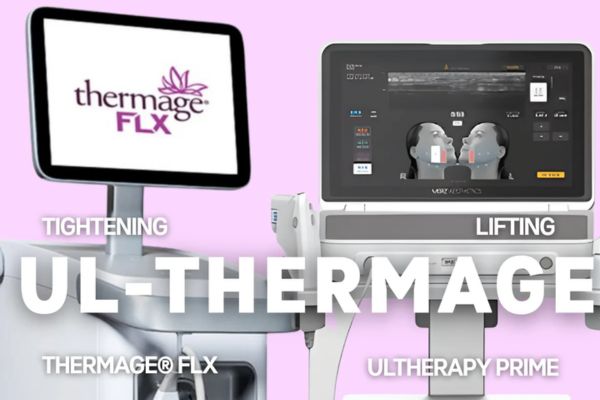
Deeper insights into precision, customization, and ideal use cases
Thermage FLX and Ultherapy Prime: Best choice for your skin
Choosing the right non-surgical treatment depends on the severity of skin aging and individual aesthetic goals. Understanding which option suits each condition helps achieve more effective and natural-looking results.
Early rejuvenation cases
For individuals in the early stages of aging, skin laxity is usually mild and does not significantly affect facial structure. Fine lines and early loss of elasticity are often the most noticeable concerns at this stage. The primary goal at this point is to improve skin firmness and overall texture while preserving natural facial contours.
Thermage FLX is often preferred for early rejuvenation because it enhances skin quality through gradual collagen stimulation. The treatment helps strengthen existing collagen fibers and supports long-term skin resilience. When comparing Thermage FLX vs Ultherapy Prime, Thermage FLX is generally more suitable for maintaining youthful skin and preventing further laxity.
Pronounced sagging skin
As aging processes, skin sagging becomes more noticeable and facial contours may lose definition. Deeper tissue laxity begins to affect areas such as the jawline, cheeks, and neck. At this stage, surface tightening alone is often insufficient to achieve visible improvement.
Ultherapy Prime is designed to target deeper support layers, providing structural lifting that improves facial contours. By stimulating collagen production at the SMAS level, it delivers a more pronounced lifting effect over time. This makes it a strong option for patients who need noticeable lifting without surgical intervention.
Combined non-surgical lifting
In certain cases, combining both treatments can deliver more comprehensive rejuvenation results. Ultherapy Prime focuses on lifting deeper structural layers, while Thermage FLX improves surface firmness and overall skin texture. This dual-layer approach allows both depth and quality of the skin to be addressed simultaneously.
When evaluating Thermage FLX vs Ultherapy Prime, many practitioners view them as complementary rather than competing treatments. Combining the two can create balanced rejuvenation by targeting different tissue levels in one treatment plan. A customized combination approach can optimize both lifting effects and long-term skin health.
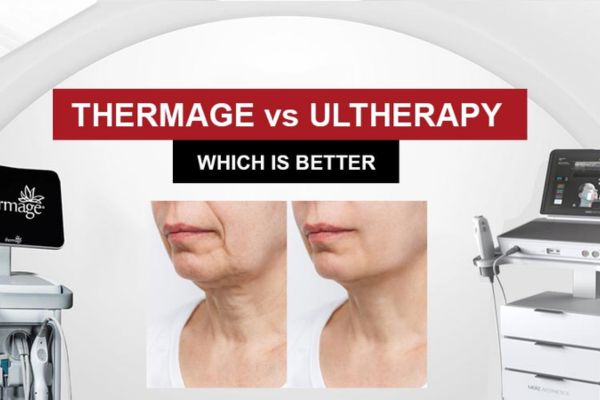
Treatment selection based on aging severity and skin goals
Thermage FLX vs Ultherapy Prime: Treatment cost breakdown
Cost is a key consideration when choosing a non-surgical rejuvenation treatment that aligns with individual needs and budget expectations. Understanding the value delivered helps clarify whether the investment matches the expected long-term results.
Reference pricing
Reference pricing helps provide a general understanding of treatment costs without replacing personalized consultation. Actual pricing may vary depending on treatment area, skin condition, and clinic expertise.
Aspect | Thermage FLX | Ultherapy Prime |
Typical price range | Moderate to high, depending on treatment areas | Higher due to deep-lifting technology |
Pricing method | Charged by treatment area or full face | Charged by number of lines and depth |
Treatment frequency | A single session required every 12–18 months for upkeep | Maintenance typically needed once every 12–24 months |
Thermage FLX pricing is generally more flexible, as treatments can be tailored to smaller areas based on individual concerns. When comparing Thermage FLX vs Ultherapy Prime, Ultherapy Prime tends to be more expensive because it uses focused ultrasound to target deeper structural layers of the skin.
Evaluating value compared to treatment cost
Thermage FLX offers strong value for patients focused on improving skin firmness, texture, and overall quality rather than dramatic lifting. Although results develop gradually, they are stable and well-suited for long-term skin maintenance.
Ultherapy Prime is often considered cost-effective for patients seeking visible lifting and contour definition, particularly in the jawline and neck areas. In the context of Thermage FLX vs Ultherapy Prime, the higher cost is typically justified for individuals with moderate sagging by the depth of treatment and the longevity of the results.
Cost-determining factors
The cost of Thermage FLX and Ultherapy Prime varies depending on treatment area size, degree of skin laxity, and individual skin condition. Clinic reputation, physician expertise, and device authenticity also significantly impact pricing.
Additional factors such as the number of shots or lines used, upgraded technology versions, and customized treatment protocols can further affect total cost. A professional consultation is essential to accurately assess value and expected outcomes.
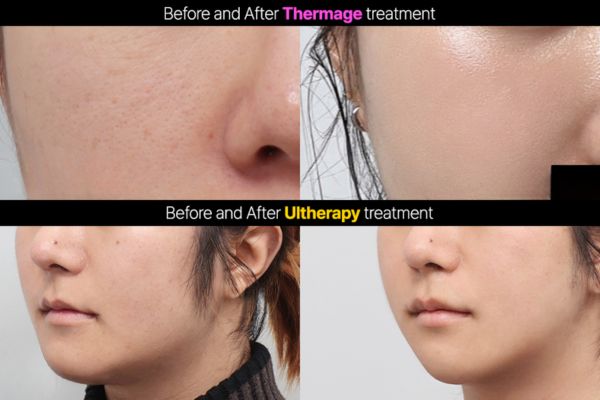
Understanding pricing structure and overall treatment value
Key FAQs on Thermage FLX and Ultherapy Prime
These frequently asked questions address common concerns patients have when choosing between advanced non-surgical skin lifting treatments. The answers below clarify expectations, suitability, and long-term outcomes to support informed decision-making.
When can visible improvements appear?
Results typically develop gradually as collagen regeneration takes place within the skin over time. When comparing Thermage FLX vs Ultherapy Prime, initial tightening may appear within weeks, while full results usually become visible after two to three months. The pace of improvement varies depending on individual skin condition and treatment depth.
How long can results be expected to remain?
Neither treatment stops the natural aging process, but both offer long-lasting improvement. Results can be maintained for twelve months or longer with proper skincare and healthy lifestyle habits. Periodic maintenance treatments may help prolong the benefits.
Is this treatment more suitable for the face or body?
Both technologies can be used on facial and selected body areas, depending on the concern being addressed. In the context of Thermage FLX vs Ultherapy Prime, Thermage FLX is often chosen for body skin tightening, while Ultherapy Prime is preferred for facial lifting. Treatment planning should always be customized to the area and desired outcome.
How frequently can the treatment be repeated?
Yes, repeat treatments are possible when clinically appropriate and professionally advised. Adequate time between sessions allows collagen remodeling to fully occur. A specialist can determine the safest and most effective retreatment schedule.
What factors help decide the right treatment?
Choosing the right option depends on skin laxity level, age, and aesthetic goals. Understanding the differences between Thermage FLX vs Ultherapy Prime helps clarify whether surface tightening or deeper lifting is more suitable. A professional consultation is essential to develop an effective and personalized treatment plan.
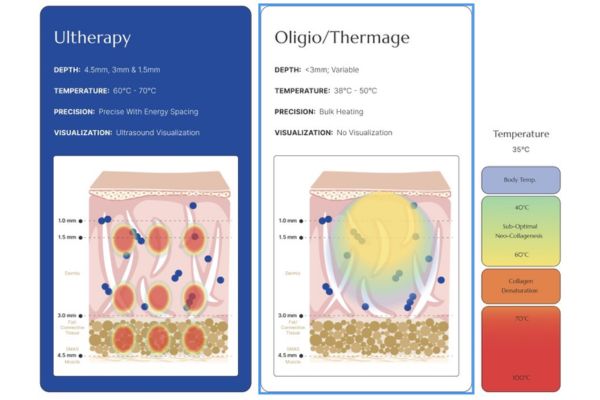
Common patient concerns explained with practical guidance
Conclusion
Thermage FLX vs Ultherapy Prime highlights two effective non-surgical rejuvenation options, each designed to address different levels of skin laxity and aesthetic goals through distinct technologies. Choosing the right treatment depends on whether the priority is gradual skin tightening, deeper lifting, or a strategic combination of both.